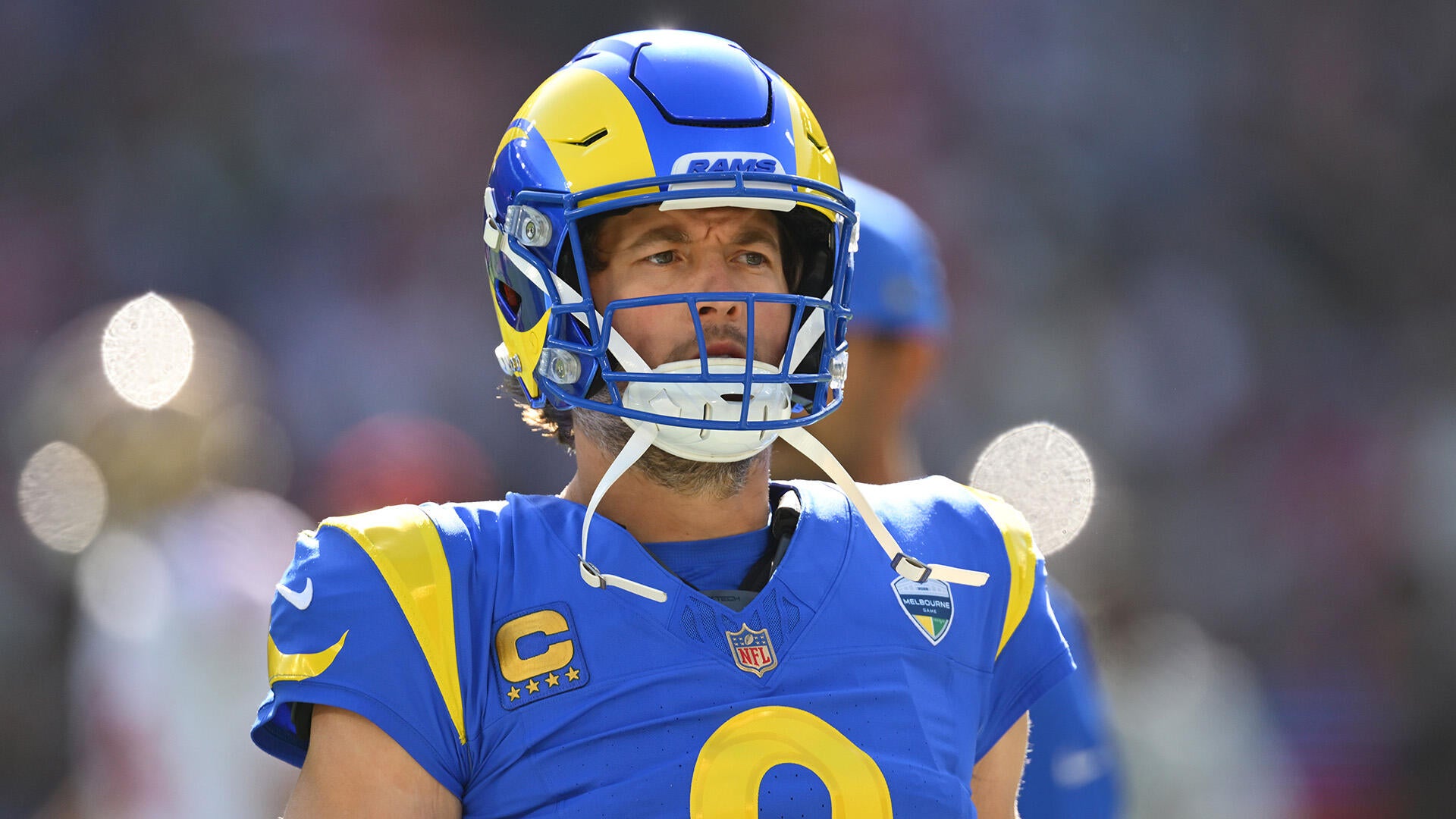
Week 1 is built for overreactions, and this year gave us a lot to work with. After a busy offseason, the Rams entered 2026 with borderline unrealistic Super Bowl expectations and promptly lost by 20 points to the 49ers. The Packers were cruising against the Vikings only to lose by 17.
The Chargers, favored by more than a touchdown at home, lost by 12 to Arizona. New England kept things close, but a 13-10 loss to Seattle and three Drake Maye interceptions left lingering questions about the franchise quarterback who struggled through last postseason. So which losses should actually worry us?
To find out, we went all the way back to 2015 to look at every Week 1 loss by a team that entered the season in our contender pool — the top 12 in preseason Super Bowl odds. That gave us 53 historical losses to compare with what happened over the rest of the season. The biggest takeaway might also be the most reassuring: If your team was supposed to be good before Week 1, getting blown out wasn't much worse than a close loss.
What mattered much more was how the team played. Preseason contenders that won their opener from 2015-2025 made the playoffs 73% of the time, while those that lost fell to 42%. But once a contender lost, the margin barely mattered — one-score losers made the playoffs 41% of the time, and teams beaten by nine or more made it roughly 43% of the time.
There's another way to put that into perspective: A preseason contender that lost by nine or more still made the playoffs 42.9% of the time — essentially the same rate as a non-contender that won its opener, at 43.2%. Don't panic because of the final score. The better question is what produced it: Was it something random, situational or repeatable?
The clearest warning signs weren't on the scoreboard: success-rate differential, sack rate allowed, offensive third-down rate and defensive third-down rate allowed. Success rate tells us whether an offense consistently stayed on schedule. Sack rate measures how often dropbacks turned into negative plays, while third down gets at whether a team could sustain drives and get off the field.
Extract — continue reading at the source.