Every country that cannot be a superpower now wants to be called a middle power. Canada's Prime Minister Mark Carney built his Davos speech around the term in January, and European officials invoke it at every security conference. South Korea, Australia, Indonesia, Mexico and Turkey organized a grouping around the idea more than a decade ago.
Leaders from Riyadh to Astana use it to describe their foreign policies. The label has become so popular that it risks meaning nothing. It should mean something specific: a state strong enough militarily and independent enough economically to bargain with great powers instead of depending on them.
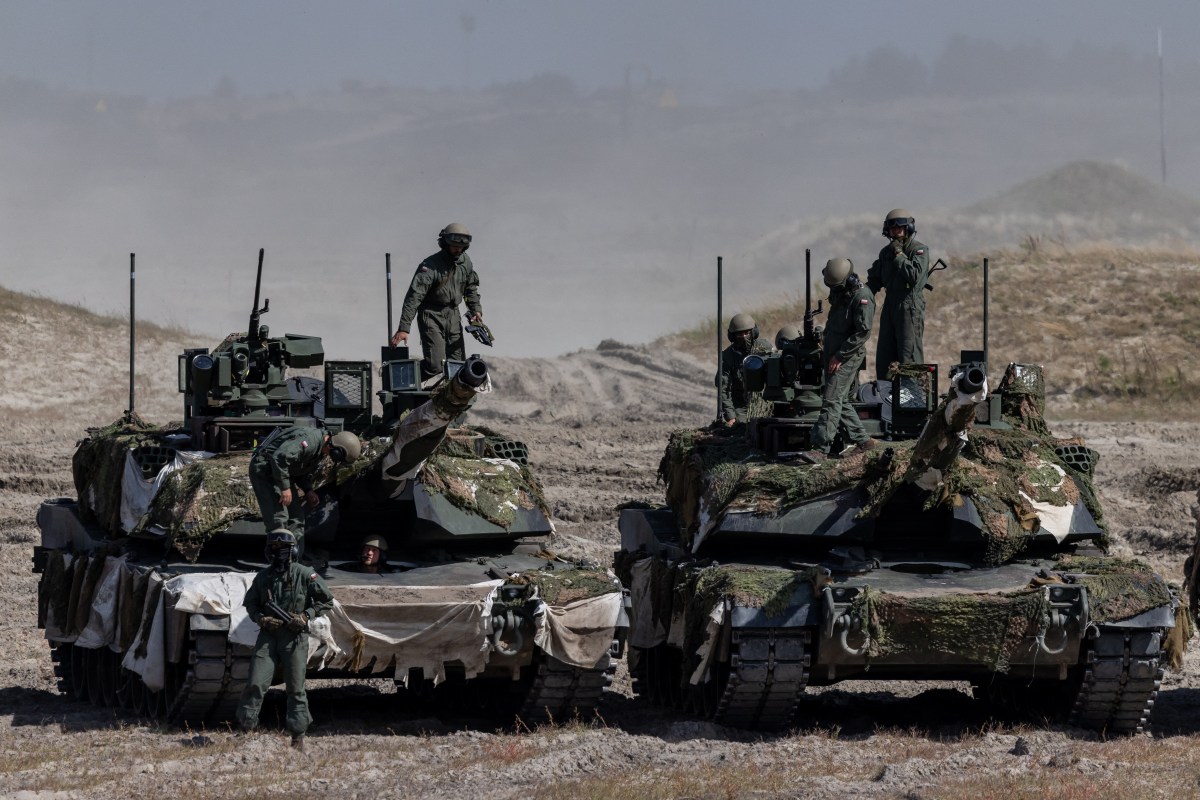
By that measure, countries like Poland, South Korea, Taiwan and Azerbaijan qualify. Canada and Western Europe, the loudest new converts, adopted the label after their free ride on American security ended, and they have yet to earn it. For two centuries, from the Congress of Vienna through the Cold War, international politics was studied as the business of great powers.
After the political scientist William T.R. Fox coined the word in 1944, it became the business of superpowers. The middle power is the older idea.
In 1589, the Italian Jesuit Giovanni Botero sorted states into empires, middle states and small ones. He judged the middle rank the most durable: strong enough to deter predators and modest enough that it never provoked a coalition against itself. The term has come back into vogue because the post-Cold War order is fracturing.
Rivalry between Washington and Beijing now runs through trade, technology and the Taiwan Strait. Wars in Ukraine and the Middle East have shown how quickly distant conflicts can disrupt energy markets and shipping lanes. The major powers increasingly wield tariffs, sanctions and supply chains as weapons.
Extract — continue reading at the source.