Americans are becoming increasingly wary of food recalls, with new polling showing that safety warnings are changing not only how consumers view recalled brands but what they are willing to buy afterward. A new GS1 US survey of 1,000 U.S. adults found that 94 percent are concerned about the frequency of food recalls, up from 93 percent in 2025. At the same time, confidence that recalls are effective in protecting public health and safety fell from 85 percent to 80 percent.
The findings follow a summer of numerous high-profile food recalls that have led to disease outbreaks. A salmonella outbreak linked to jalapeño peppers sourced in Mexico has sickened at least 431 people across 32 states, with 57 hospitalizations and no reported deaths, according to the FDA. A separate outbreak of cyclospora linked to iceberg lettuce made headlines earlier this summer, with 11,458 illnesses reported across 20 states, 495 hospitalizations and two deaths.
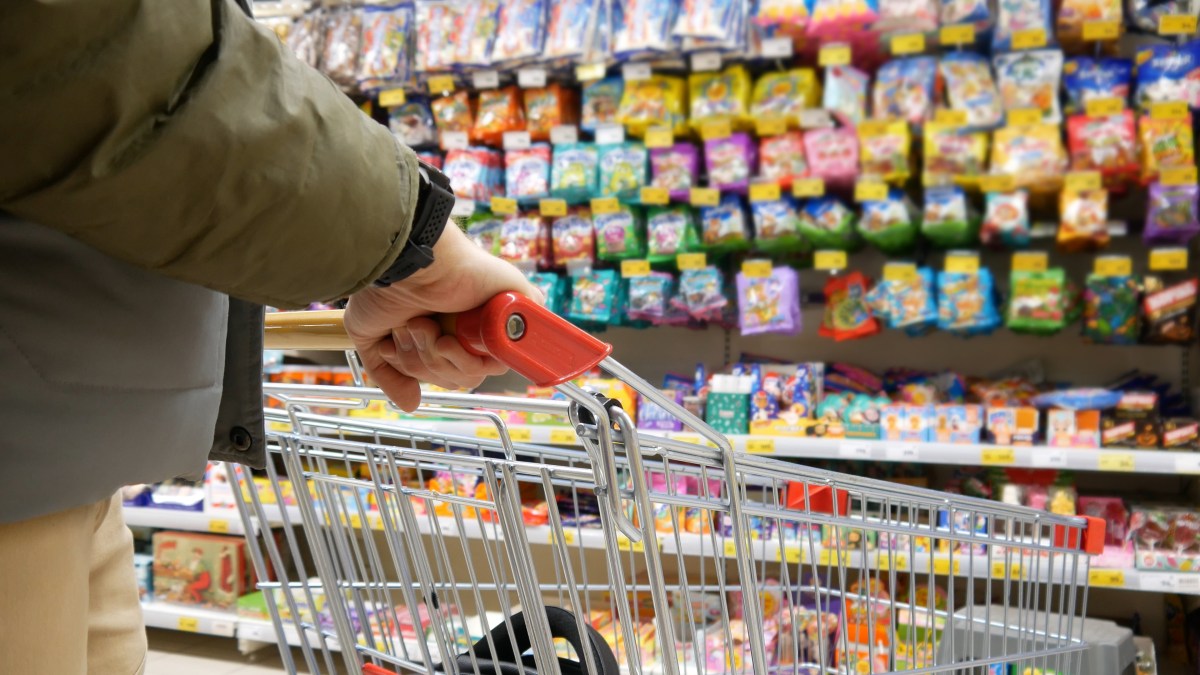
The polling suggests recalls may be influencing consumer sentiment, extending beyond the specific products removed from shelves in recent months. Sixty-seven percent of adults said they had avoided an entire category of food after a recall, up from 60 percent last year. Another 66 percent said they were hesitant to buy the same product or brand again, compared with 59 percent in 2025.
Women were particularly likely to change their purchasing habits: 71 percent said they had avoided an entire food category after a recall, compared with 63 percent of men. Meanwhile, 59 percent of consumers said they would be willing to spend more on a product offering detailed product information, up from 57 percent. The FDA defines a food recall as the removal from the market of food that violates its regulations.
Recalls are generally initiated voluntarily by manufacturers or distributors, although the FDA can request or, in some circumstances, mandate one. The agency regulates most foods, while meat, poultry and processed egg products generally fall under the mantle of the U.S. Department of Agriculture.
Reasons can range from dangerous bacteria, to labeling errors, and pieces of foreign material making their way into food. An analysis by Trace One, using FDA recall data from 2021 through 2025, found allergen contamination was the leading cause, accounting for 45.2 percent of recalls. That can include products containing or being exposed to allergens such as milk, wheat or nuts without the necessary warning on the label.
Extract — continue reading at the source.