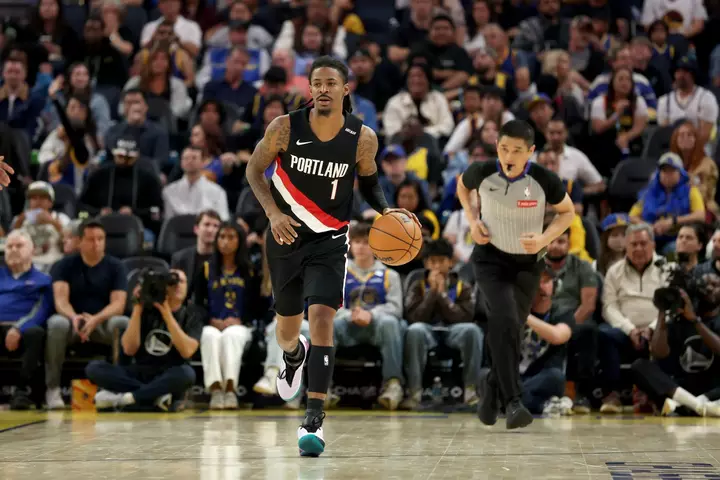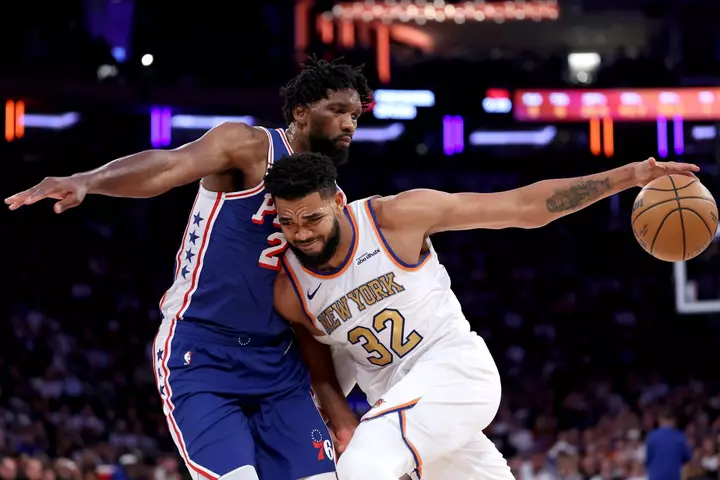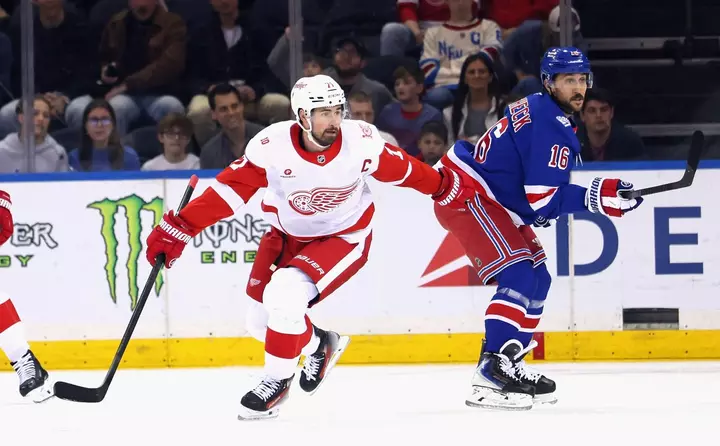
We celebrate the winners, invest in the most promising players, and build programs around the pursuit of excellence. Yet one question receives far less attention: what happens to everyone who just wants to play? After years of operating sporting facilities across golf, tennis, field sports, pickleball, and padel, I have found one lesson has remained consistent across them all.
Most people look for a way to connect with others and enjoy an activity that gives their lives something rewarding to return to. Competition has its place, but the relationships people build through sports often determine whether playing becomes a lasting part of their lives. Consider how a child first discovers a game.
The excitement comes from learning something new, spending time with friends, and feeling part of a team. Gradually, the focus can shift toward selection, results, and expectations about how far that child should progress. Parents naturally want their children to succeed, but it is worth asking whose ambitions are driving the experience.
Encouragement can help a young person develop; pressure to satisfy someone else’s expectations can drain the enjoyment that brought them to the sport in the first place. Adults face a similar challenge. Work, family responsibilities, and other commitments already compete for their time, leaving recreational sports to justify its place in a crowded schedule.
Add the expectation that every game must produce a stronger performance or a victory, and an activity intended to relieve pressure can become another source of it. I find it particularly rewarding to see adults return to sports after years away. They rediscover the pleasure of playing, often alongside people they would never have met otherwise.
Some want to improve their technique; others enjoy a regular game with friends or the chance to meet a new group of people. Their reasons are different, and all are valid. A successful sporting environment should give each person room to find their own.
Extract — continue reading at the source.