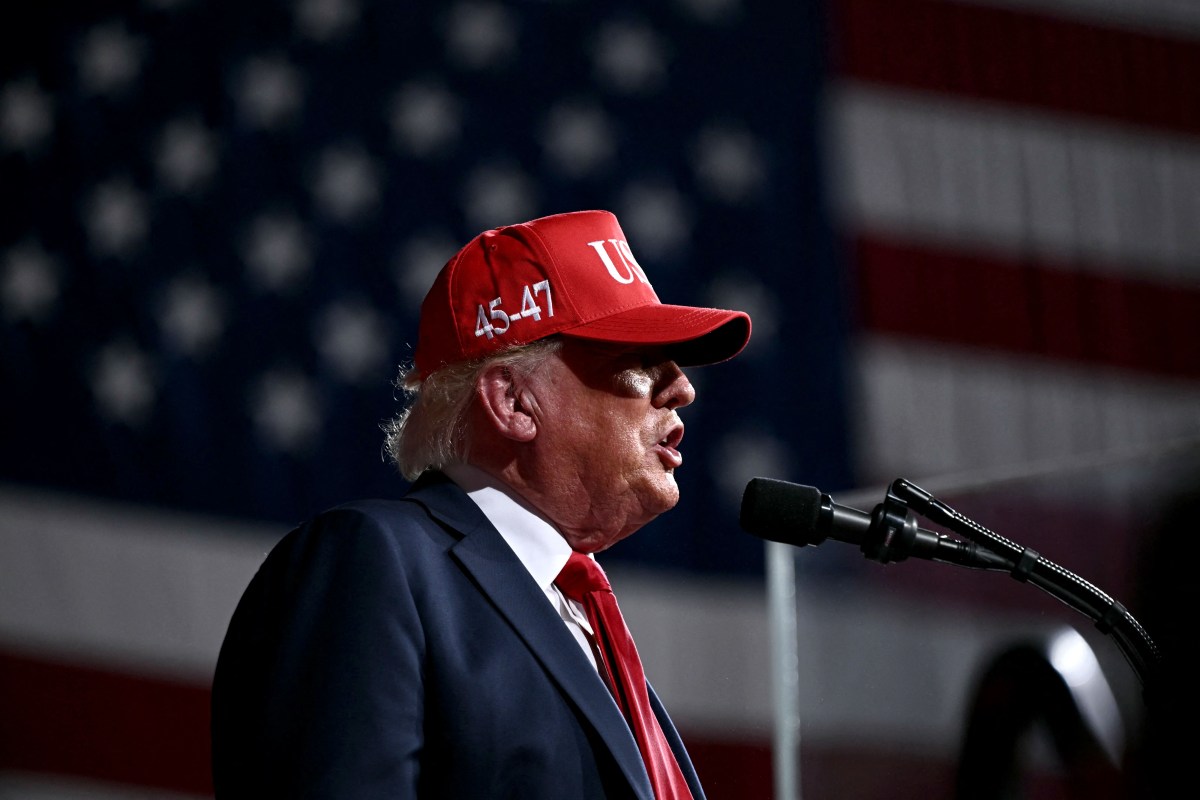
With just 45 days remaining until the November 3 midterm elections, Republicans are confronting a series of warning signs across the political map that have raised concerns about the party's prospects for retaining control of Congress and protecting key statewide offices. A damaging new poll in North Carolina, signs of strain between some Republicans and President Donald Trump, increasingly competitive races in states long considered GOP strongholds, and growing debate inside Republican circles about where to spend precious campaign resources have all contributed to a difficult stretch for the party. The developments come as Democrats continue to hold sizable leads in several generic-ballot surveys and major election forecasters increasingly view Republican control of the Senate and House as a less certain proposition than it appeared earlier this year.
Newsweek reached out to the White House and the Republican National Convention for comment. Perhaps the most alarming sign for Republicans this week came in North Carolina, a state Trump carried in all three of his presidential campaigns. A new Harper Polling survey, conducted by a Republican-affiliated pollster, found former Democratic Governor Roy Cooper leading Republican Michael Whatley by 15 percentage points in the state's open Senate race.
The result was particularly notable because Harper Polling has Republican ties and because the margin represented one of Cooper's largest leads of the campaign. The survey is not an outlier. Other recent polls have also shown Cooper leading by comfortable margins, reinforcing Democratic hopes of flipping a seat currently held by retiring Republican Senator Thom Tillis.
The race is critical to Senate control. Democrats need to pick up four seats to win a majority, and North Carolina has long been viewed as one of their most realistic pickup opportunities. In a report published by Semafor this week, Republican senators openly discussed difficult strategic decisions the party could soon face as it tries to preserve its Senate majority.
One Republican senator told the outlet that GOP leaders should consider shifting resources away from races where candidates are failing to gain traction, specifically citing Georgia and North Carolina. "These are always tough decisions, but it's a zero-sum game," the senator said. "North Carolina and Georgia have consistently shown us behind." Senator John Cornyn of Texas offered an even bleaker assessment, telling Semafor that Georgia appeared "pretty close to done" while North Carolina was "close to that." The comments reflect growing anxiety inside Republican ranks as Democrats maintain advantages in both states.
Nathan Gonzales, editor and publisher of Inside Elections, told Newsweek the concerns are not new. "There have been warning signs for Republicans for at least most of the year, if not before," Gonzales said on Saturday. "Any midterm election with an unpopular president is potentially treacherous for his party." He said Democrats do not necessarily need a wave election to win the House, but Republicans' problems are creating opportunities in places Democrats are not usually competitive.
Extract — continue reading at the source.