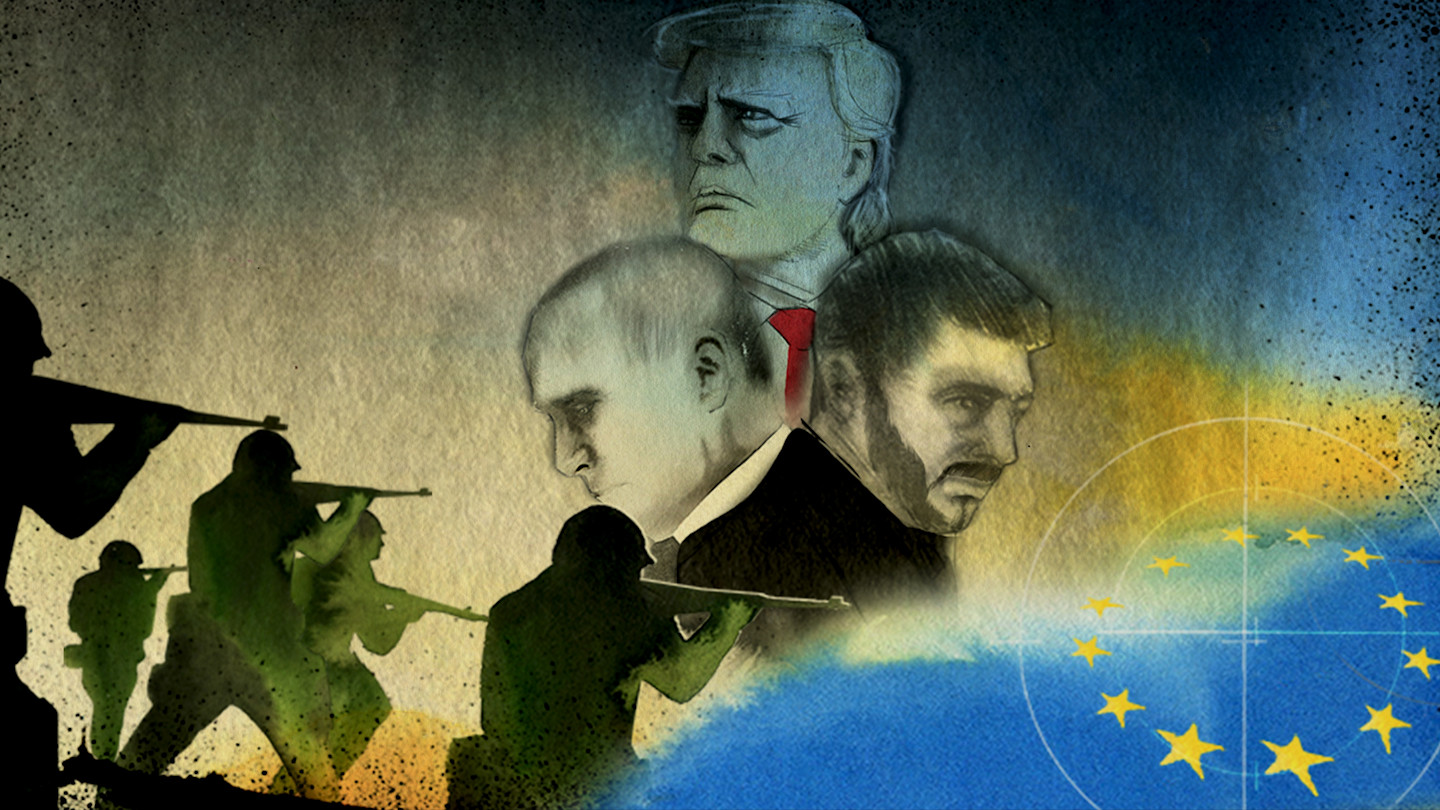
Russia may eventually secure a ceasefire in Ukraine on terms that preserve its territorial gains, but that would not necessarily mean Moscow had won a lasting peace. The real assessment is whether a settlement ends the Kremlin’s appetite for coercion or rewards the use of military force as a means of redrawing Europe’s borders. As Washington renews its efforts to bring Moscow and Kyiv back to negotiations, the central question is no longer simply who controls which territory.
It is whether a deal can prevent Russia from using the breathing space after the war to rebuild its military strength and exert further pressure on its neighbours. Therefore, the diplomatic record offers reasons for caution. Let’s reflect on the past for a bit.
US envoys Steve Witkoff and Jared Kushner visited Moscow and Kyiv in September 2026, seeking to revive negotiations after months of diplomatic stagnation. However, Russia continued to demand territorial concessions that Ukraine rejected. On October 22, Vladimir Putin again called for a permanent settlement addressing Russia’s security concerns and the wider European security order.
The territorial dispute remained unresolved. Of course, it can be argued that Putin’s language matters because Moscow is seeking more than a halt to the fighting. The Kremlin has consistently challenged Ukraine’s right to determine its own security alignment, opposed its potential NATO membership and demanded recognition of Russian control over occupied Ukrainian territories.
But in fact, in Moscow’s preferred interpretation, a settlement should address the strategic choices of Ukraine and the wider European security system rather than only a battlefield. So, that is where a territorial compromise could become a dangerous precedent, as many experts also think like this. Russia already controls about a fifth of Ukraine’s internationally recognised territory, including Crimea, which it annexed in 2014.
If further territorial concessions were extracted through military pressure, the Kremlin could present the outcome at home as proof that a costly invasion had delivered strategic rewards. However, that would not establish that Russia could easily conquer the rest of Ukraine or successfully threaten NATO members. The distinction between a limited territorial victory and a decisive strategic victory is essential.
Extract — continue reading at the source.