A prominent Russian state economist was fired after publicly warning that Moscow is losing an economic "war of attrition" with the West and could eventually face a social crisis, as the European Union prepares a major expansion of sanctions targeting Russia’s military-industrial base. The episode goes beyond an internal Kremlin personnel shake-up. For Washington and its European allies, the central question is whether years of economic pressure are beginning to constrain Moscow’s ability to sustain the war — or whether Russia can continue absorbing the costs while replenishing the resources needed to fight.
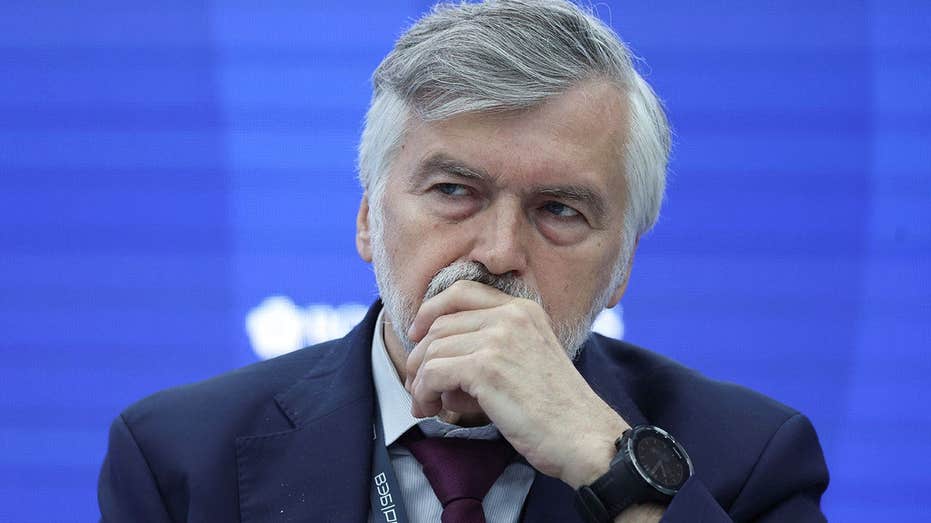
Andrei Klepach, chief economist at state development bank VEB.RF, was dismissed after remarks in which he said Russia was falling behind technologically and economically and suffering mounting costs from the war in Ukraine, two sources familiar with the matter told on Aug. 17. RUSSIA’S ‘AMAZON’ IN DEEP-STRIKE UKRAINE BLITZ, WIPING BILLIONS FROM PUTIN-LINKED CEO VEB confirmed to that Klepach was no longer its chief economist but did not give a reason for his departure. Klepach, who had held the position since 2014 after spending a decade at Russia’s Economy Ministry, also confirmed his dismissal.
We are losing both the technological and economic competition in the world," Klepach said in a May speech to the Nikitsky Club, a forum of economists, academics and government officials. The remarks were delivered in May but did not draw attention in Russian media until last week. "And we are losing it not only to China and the United States, in some ways we are losing it to Ukraine too," he said, attributing Ukraine’s resilience in part to continued financial backing from the West.
"We will not win the competition in this war of attrition," Klepach said. "We have the illusion that everything there [in Ukraine] will collapse. It has not collapsed and will not collapse.
Our costs are mounting." Klepach acknowledged that Russia had proved resilient to Western sanctions but warned that Ukrainian attacks on energy and logistics infrastructure were creating additional economic pressure. noted that Russia’s central bank said in July that economic growth could fall as low as zero this year, while repeated Ukrainian strikes on Russian refineries and other facilities have caused supply disruptions and added to inflation risks. BRINGING THE WAR TO PUTIN’S FRONT DOOR: IS UKRAINE’S ENERGY STRIKE STRATEGY WORKING? "Economically we will not collapse, but our lag will continue to grow, with all the resulting consequences," Klepach said, predicting that Russia could face a social crisis "precisely when nobody is particularly expecting it." A European intelligence source told Fox News Digital that Russia’s deeper economic problems should not be confused with immediate financial pressure on President Vladimir Putin.
The source said higher oil prices had helped Moscow cover more of its budget deficit and could give the Kremlin additional time before economic constraints begin forcing difficult choices over the war. "It doesn’t solve the fundamental economic problems in Russia, but from a budgetary point of view, Putin is OK actually," the source said. "He’s not under pressure." The source argued that this could delay expectations that deteriorating economic and budget conditions would eventually pressure Putin to end the war, potentially allowing Moscow to continue fighting "another spring" or "another season." The assessment adds a counterpoint to Klepach’s warning: Russia may be losing ground economically over the longer term while still retaining enough near-term revenue to sustain its war effort.
Extract — continue reading at the source.