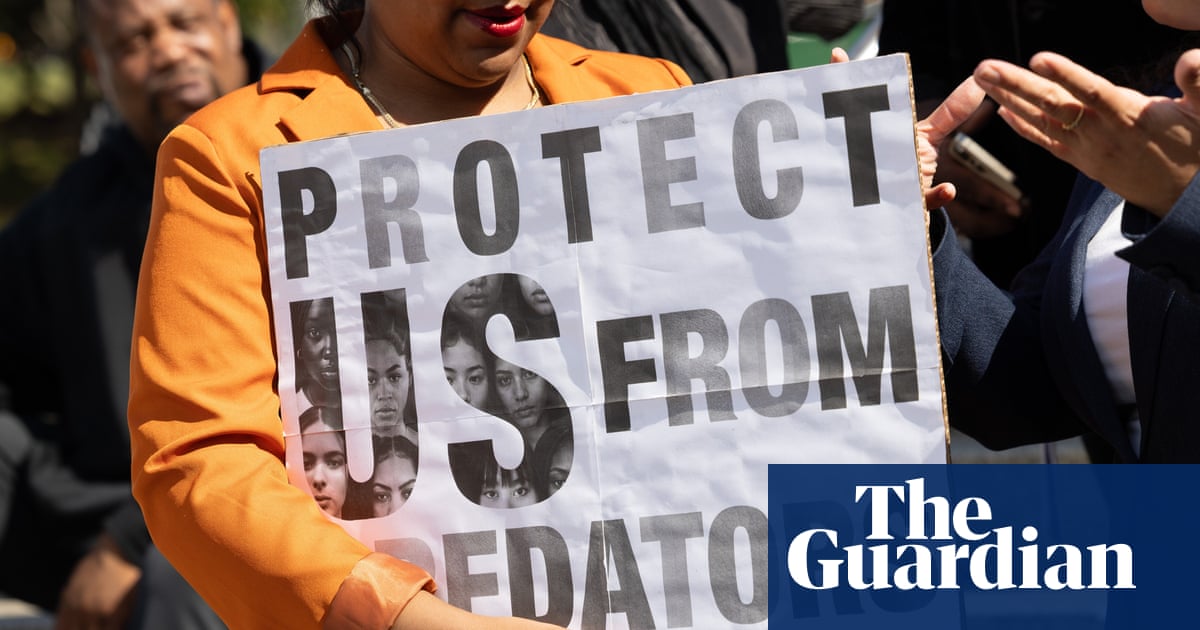
Student safety advocates in the US call the start of the fall semester at universities “the red zone”. Fraternities, sororities and off-campus bars throw parties welcoming students back to school. It’s supposed to be fun, but it can also be dangerous: more than 50% of sexual assaults that occur at colleges happen during that six- to 10-week period.
It was mid-October of 2024, during the red zone and just before a deluge of Halloween celebrations, when, a former Cornell University student says, she was gang-raped by a group of fraternity brothers. Recent attention on these allegations sparked widespread outrage this week, reviving a contentious national debate about how authorities respond to allegations of sexual assault on US college campuses. The anonymous young woman at the center of the story – known as Jane Doe in court documents – filed a civil lawsuit last month, accusing seven men of plying her with drugs and alcohol and assaulting her over the course of seven hours at their fraternity house.
The woman originally went to the house to visit a friend; she claims she arrived intoxicated and willingly took the party drug ketamine with the men. Later, she says, she became incapacitated by the drug, which is a dissociative anesthetic, while the men “commanded” her to keep snorting it. Jane Doe also alleges that the Ivy League university’s ensuing internal investigation was too lenient toward the men.
None have ever been charged with a crime. Two were expelled for their misconduct, while five were given lighter punishments: writing an essay, attending a workshop or serving a suspension. Some still attend the school.
All seven men denied wrongdoing during Cornell’s investigation. Public outcry over the case reached a breaking point on Thursday, when the New York governor Kathy Hochul stepped in to appoint a new special prosecutor to investigate the incident, which the original district attorney declined to prosecute. Now, state attorney general Letitia James will decide whether or not to take the case to a grand jury, which would decide whether there was enough evidence to charge the men with a crime.
In a statement, Cornell University defended its investigation of the incident. It closed the fraternity chapter involved and barred the group from campus. Matthew Van Houten, the Tompkins county district attorney, has said that he did not pursue the case two years ago because the woman’s first account to police did not say that she was drugged, incapacitated or forced into sex.
Extract — continue reading at the source.