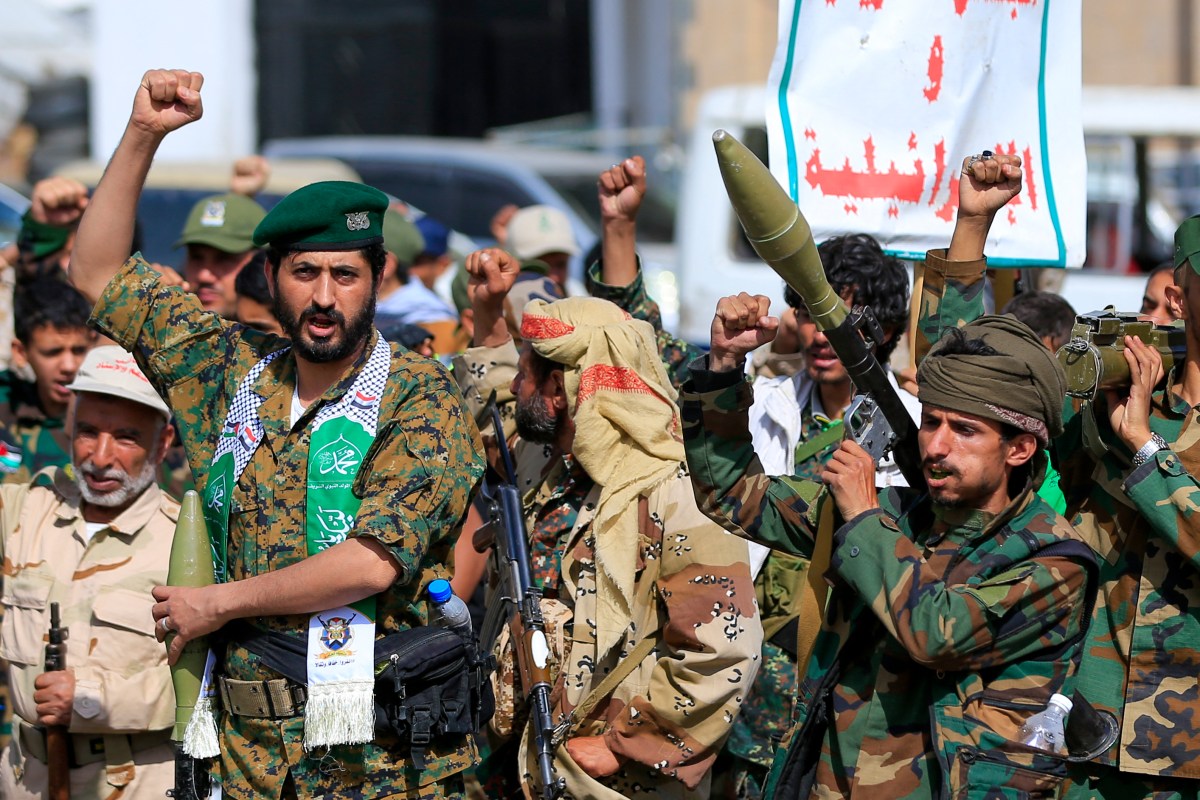
The most influential nation in the Arab and Islamic worlds is becoming a focal point for the Middle East crisis as Saudi Arabia contends with a multi-front campaign being waged by Iran and its Axis of Resistance allies. Since the U.S. and Israel launched the war against Iran on February 28, Saudi Arabia has faced attacks from Iran, Iraqi militias operating under the banner of the Islamic Resistance in Iraq and Yemen's Ansar Allah, also known as the Houthi movement. In recent weeks, the southern front has proved especially volatile as Ansar Allah stepped up cross-border attacks against the Kingdom while simultaneously gaining ground against Riyadh-backed local government forces in some of the most intensive clashes since an April 2022 ceasefire halted Yemen's civil war.
The escalation threatens to further expand the conflict, with Pakistan signaling that it intends to make good on the mutual defense pact signed last month with Saudi Arabia, along with Turkey. The United States and Israel also have a record of striking Yemen in response to the initial missile and drone campaign unleashed by Ansar Allah in response to the outbreak of the war in Gaza in October 2023. With Ansar Allah now seizing the port of Mokha, Ahmed Nagi, senior Yemen analyst at the International Crisis Group, on Thursday called the move "a major game changer" that brings the group closer to the Bab el-Mandeb Strait, a crucial alternative to the Strait of Hormuz chokepoint, through which trade is already disrupted due to Iranian attacks.
"For Saudi Arabia, this means its national interests are facing greater risks," Nagi told Newsweek. "Riyadh basically has two broad options. It can accept the new reality and return to the political track, including addressing some of the Houthis’ demands, but that could weaken its position.
"Or it could opt for some form of military escalation. But that would be costly. It would require significant resources, effort and forces, and it would not be easy.
So, there are really no easy options for the Saudis." Saudi Arabia's track record of intervention in Yemen also indicates no guarantee of success. Riyadh struggled to aid royalist allies against an Egypt-backed republican uprising in the 1960s, ultimately recognizing a more moderate version of the revolutionary government that emerged in 1970. When Saudi Arabia took an even more direct approach to confronting Ansar Allah's takeover of Sanaa 55 years later, coalition airstrikes helped to stall the insurgency's advance but left the group in control of nearly one-third of the country and up 80 percent of its population by the April 2022 ceasefire.
The truce would prove resilient, surviving some of the worst turmoil the Middle East has experienced in generations. Even after Ansar Allah began a campaign of attacks against Israel and international shipping following Hamas' October 7, 2023, attack on Israel, Yemen's internal frontlines remained largely dormant. The most significant changes on the ground prior to the latest flare-up actually came in the form of clashes between Saudi-backed government forces and southern separatists supported by the United Arab Emirates, in which Riyadh's ally came out on top earlier this year.
Extract — continue reading at the source.