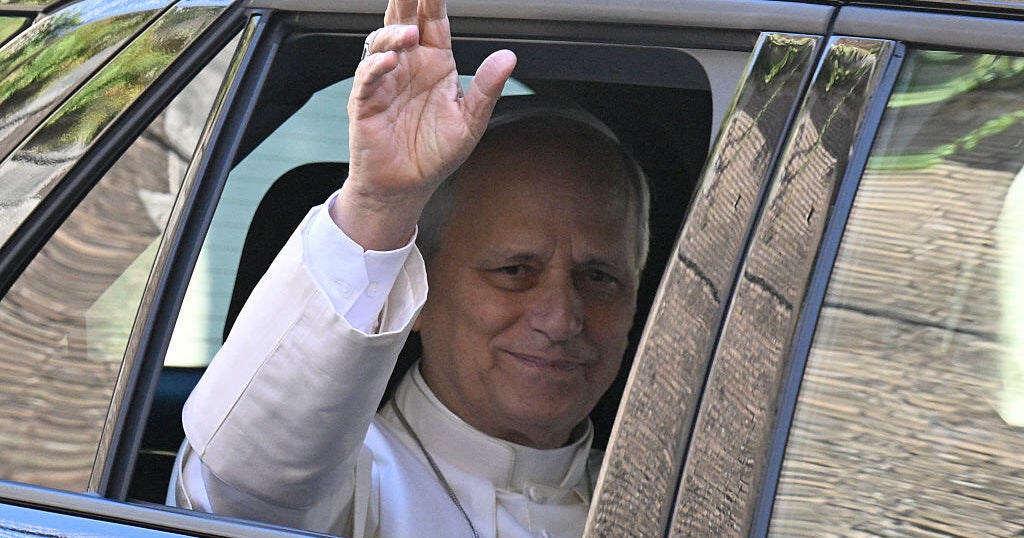
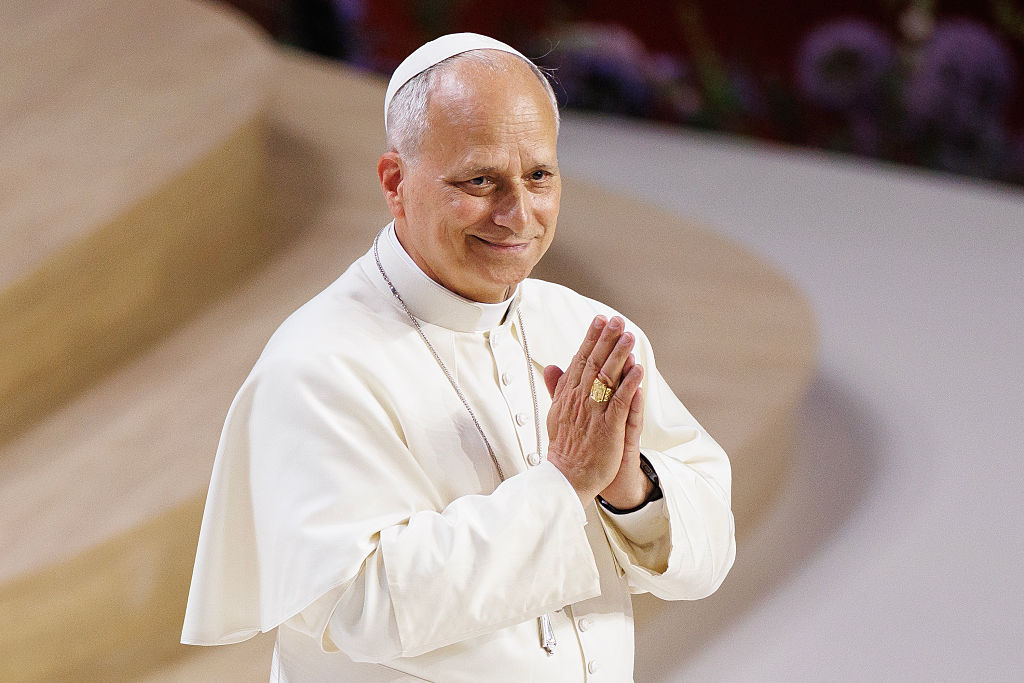
Nestled in the foothills of the Pyrénées, the Sanctuary of Our Lady of Lourdes is one of Catholicism’s most important pilgrimage sites, drawing millions of visitors each year, including sick and disabled believers hoping for a cure from its famed spring waters. The hallowed site is also a flashpoint in a decades-long dispute dividing the Catholic world, which threatens to put a damper on Pope Leo’s visit to the shrine on Sunday – a highlight of the first papal state visit to France in almost 20 years. Read morePope Leo XIV to trace back French ancestry, spiritual roots on visit to France The dispute involving the ultra-conservative Society of Saint Pius X (SSPX) escalated sharply in July when the Vatican excommunicated followers of the splinter sect who defied Pope Leo by ordaining four bishops – including two Frenchmen – without his consent.
Following the schism, the bishop of Tarbes and Lourdes declared that SSPX members would be barred from organising events at the sanctuary in October for their annual Pilgrimage of Christ the King, which draws thousands of pilgrims from across Europe to the vast underground halls of the Basilica of Saint Pius X in Lourdes. Named after an early 20th-century pope who opposed modernising Catholic doctrine, the Society of Saint Pius X was founded in 1970 in response to the reforms of the Second Vatican Council (1962-1965, also known as Vatican II), which sought to reconcile the Roman Catholic Church with the modern world. The Society notably rejects changes introduced at Vatican II to how Mass is celebrated, insisting that services be held in Latin and with priests facing the altar rather than the congregation.
It also opposes religious freedom and interfaith dialogue. SSPX members tend to espouse socially conservative views and are sometimes referred to as Lefebvrists, a reference to the organisation’s founder, Archbishop Marcel Lefebvre. They are thought to number roughly 600,000 worldwide, with the largest contingents in France and the US.
French abbot Xavier Beauvais, prior of the Church of Saint-Nicolas-du-Chardonnet, an SSPX bastion in Paris, covers his face with his hand during a protest against same-sex marriage in April 2013. © Kenzo Tribouillard, The Vatican and the rebel sect have long been at loggerheads. Pope John Paul II first excommunicated SSPX bishops in 1988, though his successor Benedict XVI reversed the decision two decades later in an attempt to bridge the divide. More recently, the late Pope Francis made further concessions on sacraments, allowing Society priests to celebrate marriages under certain conditions.
Those concessions have been rolled back as a result of the latest excommunications, which appear to go further than past censures of the sect. In addition to targeting the Society’s six bishops, the Vatican’s July decree ruled that any lay members who “formally adhere” to the group “are to be considered schismatic and excommunicated”. The unusual move suggests Pope Leo intends to take a firmer stance than his predecessors.
But a key priority for him is the need for unity around the texts of Vatican II,” says Martin Dumont, a historian of Catholicism at Sorbonne University in Paris. The pope had pleaded with the Society not to go ahead with the planned consecrations, warning that the “schismatic act” would constitute “a sin of extreme gravity”. By ignoring his warning, the sect effectively “challenged the authority of Leo XIV”, adds Dumont, for whom the bishops’ consecration “forced the Pope to take action”.
Extract — continue reading at the source.