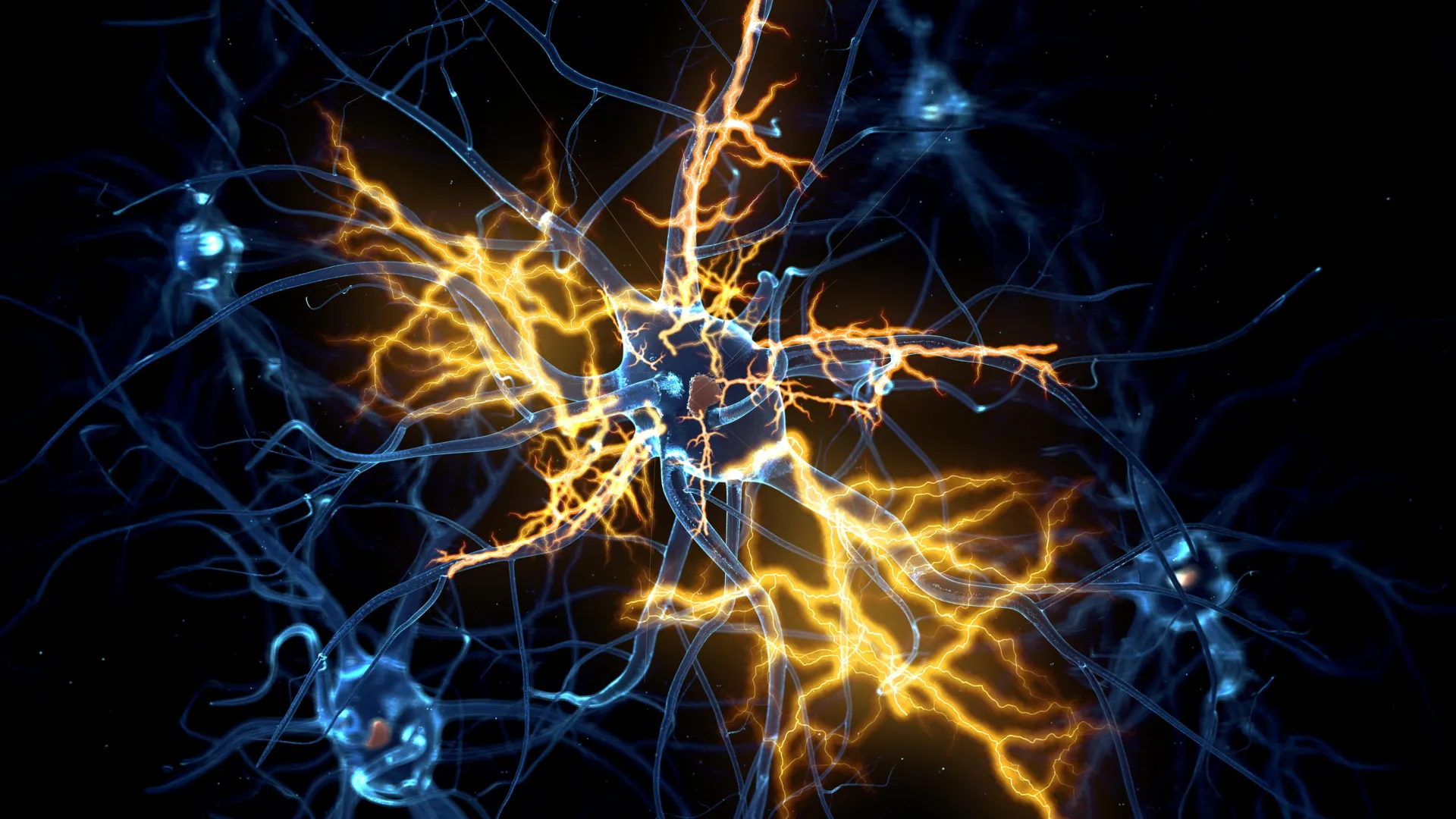
Researchers at the Icahn School of Medicine at Mount Sinai have identified a molecular mechanism that appears to restrict the ability of injured neurons to regrow damaged axons. The findings, published in the journal Nature, suggest that blocking a protein known as the aryl hydrocarbon receptor (AHR) could promote nerve regeneration and improve recovery after damage to peripheral nerves or the spinal cord. Axons are long extensions of nerve cells, or neurons, that transmit signals throughout both the central and peripheral nervous systems.
These fibers are essential for communication between nerve cells. When axons are damaged or severed, recovery depends heavily on whether neurons can rebuild those connections. In adult mammals, however, neurons have only a limited capacity to regenerate their axons.
As a result, injuries involving nerves or the spinal cord can cause long-lasting or permanent problems with movement and sensation. Understanding what prevents stronger regrowth has been a major challenge for researchers. The new research points to AHR as an important regulator of how neurons respond to injury.
"When neurons are injured, they must deal with stress while also trying to regrow their axons," said Hongyan Zou, MD, PhD, Professor of Neurosurgery, and Neuroscience, at the Icahn School of Medicine at Mount Sinai and the study's senior author. "We discovered that AHR functions like a brake that shifts neurons toward managing stress rather than rebuilding damaged connections." Researchers found that active AHR signaling suppresses axon growth. When they removed AHR from neurons or used drugs to block its activity, damaged axonal fibers regenerated more successfully.
In mouse models involving peripheral nerve damage and spinal cord injury, suppressing AHR also led to better recovery of movement and sensation. Additional experiments helped explain why AHR has this effect. Following an injury, the protein supports a protective response that helps neurons maintain protein quality control -- a process known as proteostasis.
This system helps injured neurons withstand cellular stress, but it also limits the production of new proteins required for rebuilding axons. Without active AHR, neurons appear to change priorities. They increase the production of new proteins and turn on biological pathways associated with growth and axon regeneration.
Extract — continue reading at the source.


