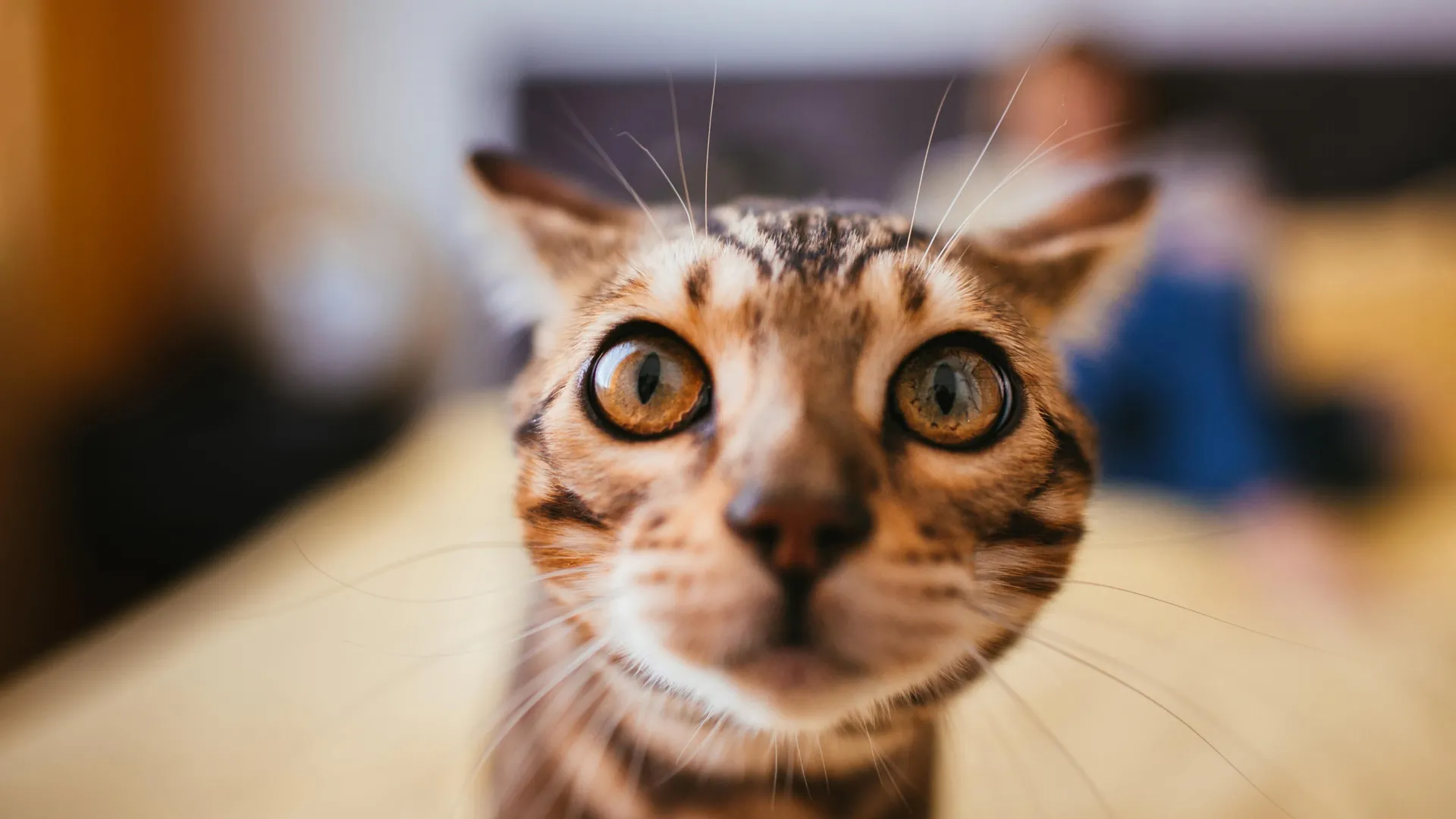
Scientists have taken a major step toward understanding cancer in cats, opening what researchers once described as a genetic "black box." In a large international study published in Science, researchers genetically analyzed cat cancers on a scale that had not been attempted before. The work could improve cancer care for cats while also helping scientists better understand how some cancers develop in humans and other animals. The researchers also created a freely available resource that other scientists can use to study the genetics of feline cancer.
Cancer is one of the leading causes of illness and death in cats, yet scientists have historically known far less about the genetic changes behind feline tumors than they do about cancers in humans or dogs. Geoffrey Wood, a University of Guelph pathobiology professor and co-senior author of the study, said that gap has now begun to close. "Despite domestic cats being common pets, there was very little known about the genetics of cancer in these animals," Wood says, "until now." Cat and Human Cancers Share Key Genetic Changes Researchers examined tumor samples from almost 500 domestic cats in five countries, searching for mutations and other genetic changes that help cancers form and grow.
Many cancers are driven by changes in certain genes that normally help control how cells grow, divide, repair damage, or die. When these genes are altered, cells can begin multiplying uncontrollably. Scientists often refer to genes that contribute directly to tumor growth as cancer driver genes.
The team found that many of the driver genes involved in cat cancers were also familiar from human and dog cancers. One of the clearest examples appeared in aggressive mammary cancers, which arise in breast tissue. The most common driver gene found in cat mammary tumors was FBXW7.
More than 50 percent of the tumors examined carried a mutation in this gene. FBXW7 normally helps regulate proteins involved in cell growth and division. When the gene is damaged, some of those growth promoting proteins can accumulate, potentially helping cancer cells survive and spread.
In humans, mutations in the FBXW7 gene in breast cancer are associated with worse prognosis - paralleling the change seen in cats. Researchers also identified similarities between cat and human cancers affecting the blood, bones, lungs, skin, gastrointestinal system and central nervous system. Shared Environments May Offer Cancer Clues The similarities may be especially useful because domestic cats often live in the same environments as people.
Extract — continue reading at the source.