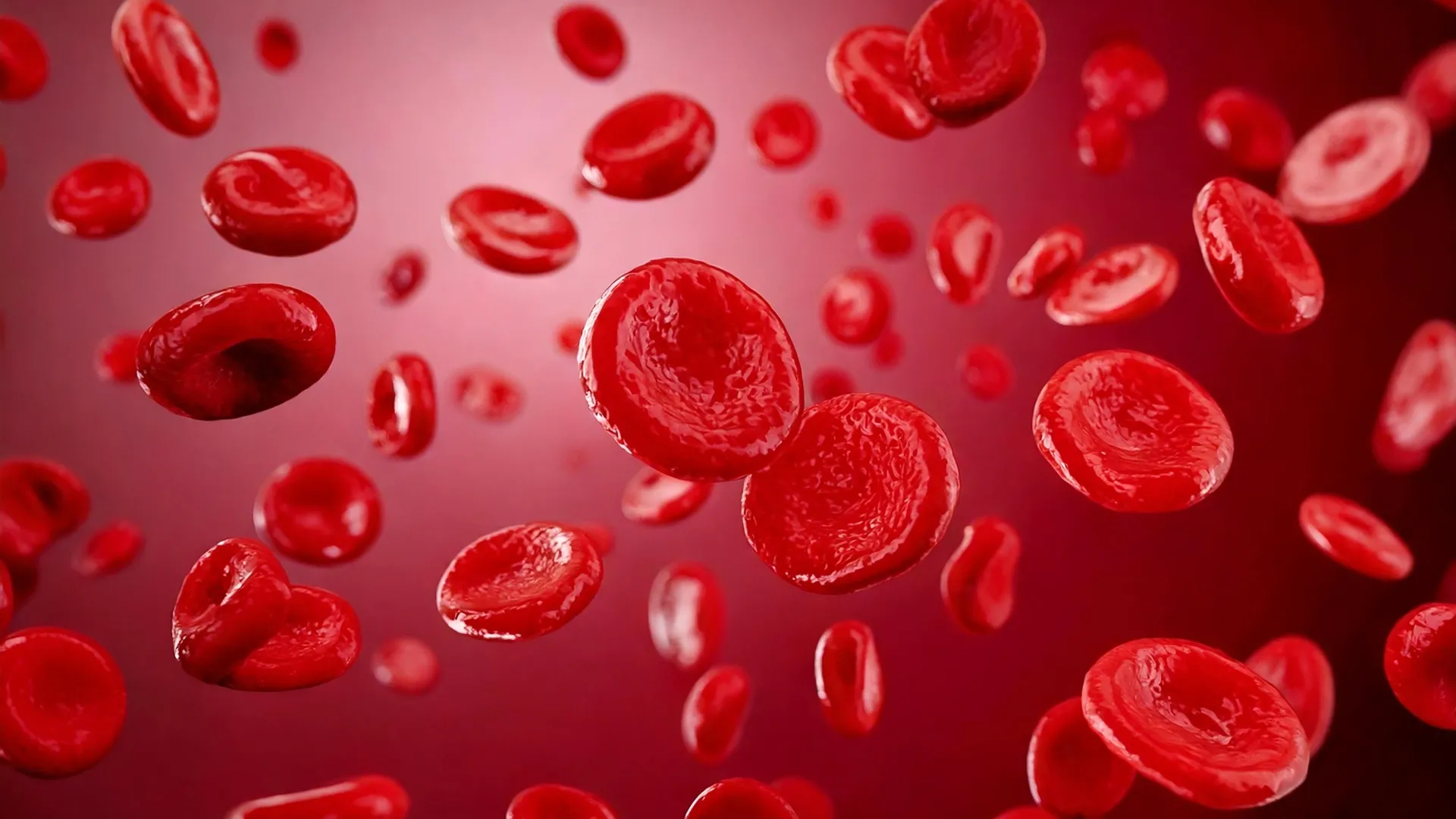
More than half a century after scientists first encountered a mysterious marker on human red blood cells, researchers finally traced it to its genetic source. The breakthrough established MAL as a human blood group system and gave doctors a new way to identify the exceptionally rare people whose blood lacks the AnWj antigen. The work was led by scientists at NHS Blood and Transplant in Bristol, including researchers from the International Blood Group Reference Laboratory (IBGRL), together with colleagues at the University of Bristol.
Their findings solved a puzzle dating back to 1972 and could help prevent dangerous transfusion reactions in a small number of patients. Although most people are familiar with the ABO and Rh blood groups, those are only part of a much larger biological system. Red blood cells carry hundreds of different molecules on their surfaces.
Many of these molecules act as antigens, markers that the immune system can recognize. For most transfusions, ABO and Rh compatibility receive the most attention. But in patients with unusual antibodies or rare blood types, matching some of these lesser-known antigens can become crucial.
A Blood Marker Found in More Than 99.9% of People The AnWj antigen was discovered in 1972, but for decades scientists did not know which gene produced it or which protein carried it on red blood cells.[1] More than 99.9% of people are AnWj positive. For the tiny minority who are AnWj negative, however, the distinction can matter enormously. If an AnWj negative person develops antibodies against AnWj and then receives AnWj positive blood, those antibodies can attack the transfused red blood cells.
In some circumstances, that can trigger a potentially serious transfusion reaction. There are also two very different reasons someone can lack the antigen. In most cases, AnWj expression appears to be suppressed because of an underlying hematological disorder or certain cancers.[2] Much more rarely, a person is born without the antigen because of an inherited genetic change.
Only a handful of people with this inherited form had ever been identified, making the mystery especially difficult to investigate. To find the source, the researchers turned to whole exome sequencing. This technique examines the portions of DNA that contain instructions for making proteins, allowing scientists to search across thousands of genes for unusual variants shared by affected individuals.
Extract — continue reading at the source.