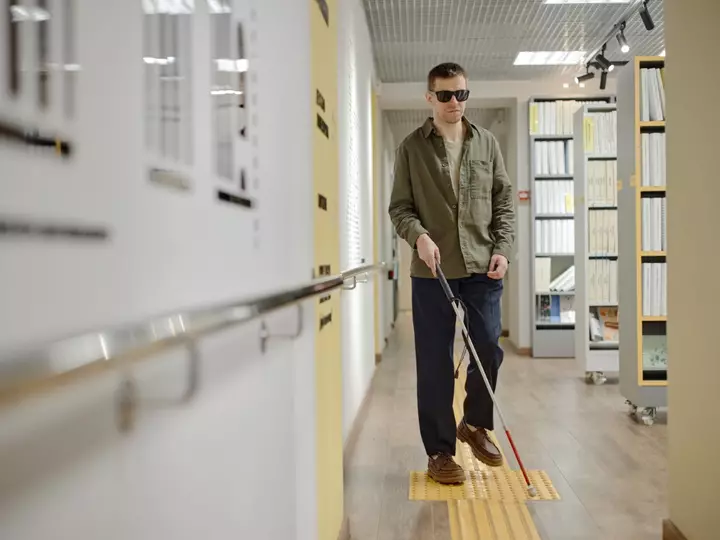
Surgeons have carried out the third successful brain implantation of a device that is able to provide artificial vision for patients with total blindness. Rush University Medical Center announced on October 29 the success of the third implantation of a device called intracortical visual prothesis (ICVP), which is a wireless device that connects to the brain and provides a kind of vision to people who have lost their sight due to eye disease or injury. The ICVP was developed at the Illinois Institute of Technology and is almost thirty years in the making.
The institute received a grant from the National Institute of Neurological Disorders and Stroke, Brain Initiative to conduct a study on the technology's feasibility. Estimates indicate that around a million Americans are blind, and experts predict that number could double by 2050. Blindness can be caused by injuries that lead to eye damage, infections like trachoma, shingles, rubella and syphilis, and non-infectious diseases like cataracts, glaucoma, nutrient deficiencies, stroke, cancers and many others.
Our vision usually works by light entering the eye and the retina - a layer of cells at the back of the eye—converts the light to neural signals. The optic nerve then carries neural signals to the brain, and the brain then decodes those neural signals, creating a perception of an image using that information. Around half of the human brain is involved in visual perception processing.
The ICVP attempts to bypass the retina and optic nerve and sends information directly to the brain's visual cortex. It's rather like a miniature cell phone network, with a collection of implanted stimulators sending electrical signals to the brain's visual area, which are powered and controlled wirelessly. This system does not restore natural biological vision, enable a blind patient to see the faces of their loved ones again, replace use of a cane or a guide dog, or enable them to read or watch television.
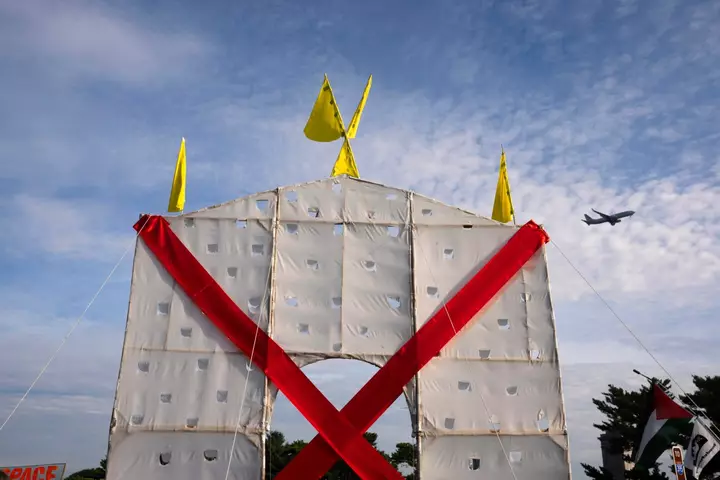
The device instead creates a very crude artificial vision, which the team describes as being like seeing the world through the holes of kitchen colander. What it intends to do is provide the patient with enough visual perception so that they can perform visually guided tasks. The third successful surgery, which has taken place during the FDA-approved, preclinical phase of the trial, involved 34 stimulators with a total of 544 electrodes being implanted into one individual with blindness.
This follows the first surgery which took place in 2022, and the second in 2024, after the ICVP project began in 2000. The surgeries take around four hours. What was different about this third surgery was that the surgeons "targeted the exact locations on the brain to implant the [Wireless Floating Microelectrode Arrays] devices, in contrast to the first two surgeries in which placement was at surgeons' discretion," Philip Troyk, the executive director of the Pritzker Institute of Biomedical Science and Engineering at Illinois Institute of Technology, whose multi-institution team developed the ICVP, told Newsweek.
Extract — continue reading at the source.