Montana Senate candidate Seth Bodnar released a campaign video showing himself blasting a Flock Safety surveillance camera with a shotgun. The stunt thrusts the already‑heated fight over automated license plate readers deeper into the 2026 midterms and signals escalating political pressure on states, tech companies, and law enforcement agencies that rely on the rapidly expanding surveillance network. Montana voters now face a race where digital privacy, police access to data, and the future of AI‑driven monitoring could shape policy far beyond the state’s borders.
The ad arrives as federal investigations, statewide bans, and even criminal cases mount against the controversial cameras. The video features Bodnar declaring, “Flock off, man!” before accusing the cameras of tracking Americans “getting groceries,” “going to church,” and “seeing a doctor.” Newsweek has reached out to Flock Safety, as well as the campaigns for Seth Bodnar and Kurt Alme, for comment. Montana independent Senate candidate Seth Bodnar released the video Monday, positioning himself as the latest political figure to target Flock Safety’s automated license plate readers.
In the ad, Bodnar fires a shotgun at a Flock camera mounted beside a bag of flour, using the moment to dramatize his opposition to what he calls an unchecked surveillance system. The video leans heavily on fears about constant monitoring. Bodnar warns viewers that Flock cameras watch people “getting groceries,” “building a new deck,” “going to church,” and “buying ammo for the season.” He argues the devices collect far more than traffic‑violation data, capturing every vehicle that passes and storing identifying information in cloud systems he says are ripe for misuse.
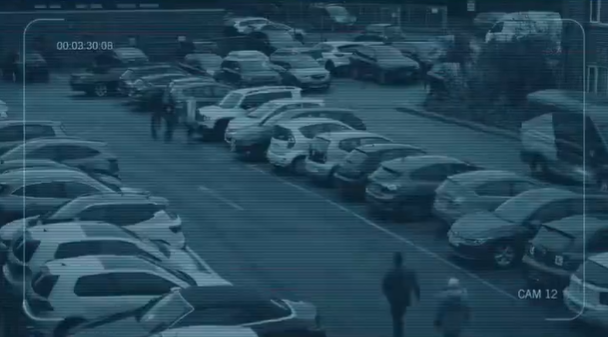
Flock Safety, which operates more than 120,000 cameras across 49 states, insists it does not sell or access user data and that law enforcement agencies own the information they collect. Bodnar ties the cameras to a broader commercial ecosystem, saying the system is “part of a massive economy designed to buy and sell our personal data.” Whether Bodnar faces legal consequences will depend on who owned the camera and the circumstances under which it was destroyed. As of September 14, no law enforcement agency has publicly announced an investigation, and there is no public evidence that the camera shown in the advertisement was a functioning government-owned surveillance device.
Bodnar’s ad lands amid a wave of political and legal clashes over Flock Safety. In Tennessee, independent House candidate Adam Lee Heimerman was arrested in July and charged with four felony vandalism counts for allegedly shooting four operational Flock cameras. The case emphasized how the devices have become symbols of government overreach for some candidates—and criminal evidence for prosecutors.
Heimerman’s arrest drew national attention, especially as candidates in other states began using anti‑Flock messaging to energize voters skeptical of surveillance technology. The Tennessee case also highlighted how deeply the cameras have penetrated local policing, making them both a political target and critical infrastructure. The backlash has reached Washington.
Extract — continue reading at the source.