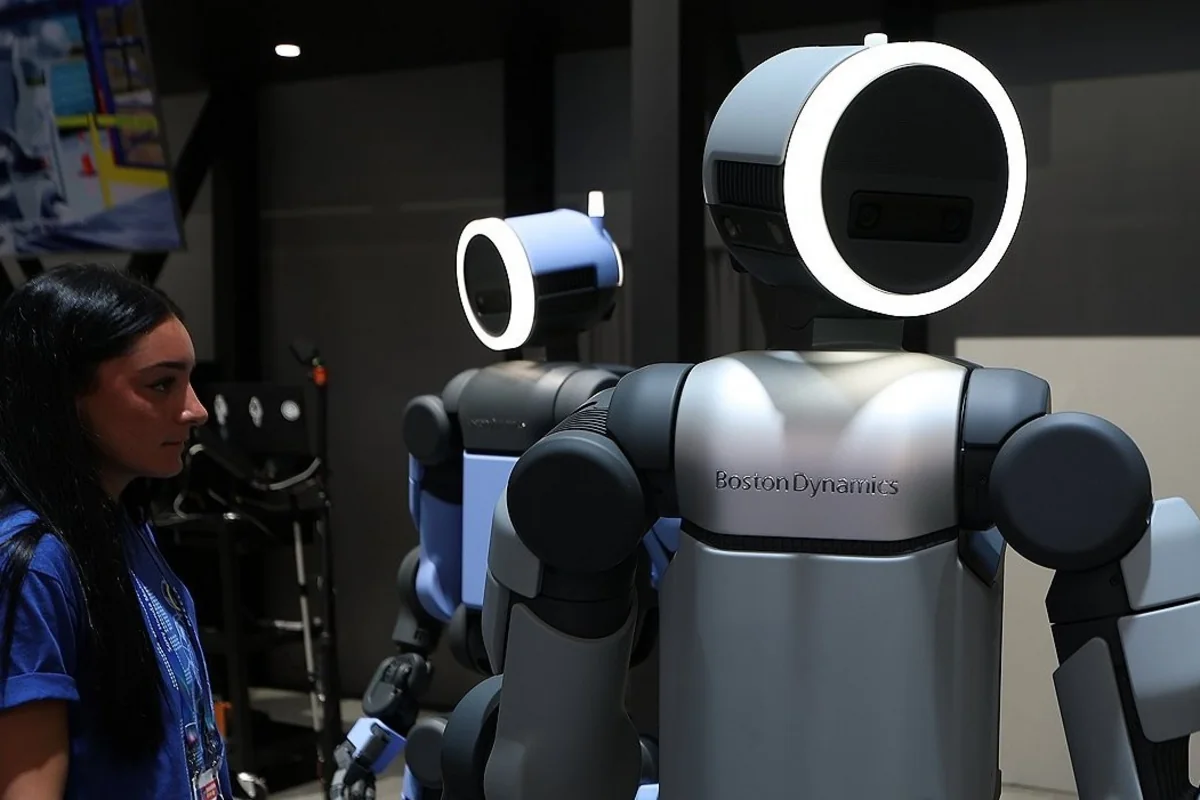
Against the backdrop of intensifying global competition in robotics and artificial intelligence, South Korea plans to invest 2.3 trillion won, or approximately $1.66 billion, by 2030 to support the domestic development of humanoid robots. The plans were outlined in a statement by South Korea’s Ministry of Planning and Budget. The government wants to strengthen the country’s position in the rapidly growing robotics industry and reduce its dependence on foreign technologies.
According to the document, South Korea plans to establish mass-production systems for humanoid robots designed for use in 10 key industries. The government also aims to increase the share of locally produced key components from the current 45% to 80%. As part of the initiative, the government plans to purchase 250 domestically developed humanoid robots in 2027.
By 2030, the total number is expected to reach 1,080 units. These robots will be distributed among universities and government-funded research institutes to support research, testing, and practical applications. Another important goal is to develop a fully domestic humanoid robotics ecosystem, including the hardware, software, and key components needed to operate these machines.
The original text mentioned 2021 as the target year, but this appears to be a mistake, since that date has already passed. The intended target year is likely 2031 or another future date specified in the government’s latest plan. South Korea is already one of the world’s leading countries in industrial robotics, particularly in automobile and electronics manufacturing.
However, humanoid robots represent a new and much more challenging area because they need to walk, maintain balance, recognize objects, interact with people, and perform complex tasks in environments designed for humans. Interestingly, the country sees humanoid robots not only as factory workers but also as a potential solution to its aging population and labor shortages. In the future, such machines could potentially be used in manufacturing, logistics, healthcare, construction, and other industries.
The new investment program shows that South Korea wants to compete with the United States, China, Japan, and other countries in the race to develop commercially viable humanoid robots. If the plan succeeds, South Korean companies could become important suppliers of both robots and the technologies that power them. Here we are to serve you with news right now.
Extract — continue reading at the source.