The current shingles vaccine appears to significantly lower the risk of heart attack and stroke, according to scientists who say it could help prevent thousands of deaths each year. The research, based on records of 70,000 people in the US, found that those who had received Shingrix had a 12% lower risk of a cardiovascular diagnosis in the following three and a half years. If confirmed, this benefit would be comparable to taking a daily blood pressure-lowering medication, the scientists said.
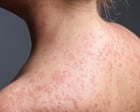
Dr Maxime Taquet, a clinical lecturer at the University of Oxford, who led the study, said: “If confirmed in clinical trials, vaccinating older adults against shingles could prevent hundreds of thousands of coronary heart diseases, strokes and cases of heart failure worldwide, making it one of the most impactful interventions we could offer to protect both the brain and the heart in later life. The effect might be enormous.” Shingles is a painful and serious condition caused by reactivation of the chickenpox virus, which remains dormant in the body after an earlier infection. It can cause a rash and nerve pain that may persist for months or years after the rash clears, a complication known as post-herpetic neuralgia.
The first vaccine against shingles, Zostavax, was made available in 2006 and was based on a weakened version of the chickenpox virus. This was succeeded by a more effective vaccine, Shingrix, which uses newer vaccine technology and which in the UK is being made available incrementally to people aged 65-79 in a phased rollout. Several previous studies have suggested that vaccinated people may have a lower risk of cardiovascular disease.
However, these studies compared vaccinated and unvaccinated people, leaving the results open to distortion. The new study got around this by comparing the incidence of cardiovascular disease in people who were vaccinated before and after the rapid switch from Zostavax to Shingrix in the US in 2017. The researchers tracked health records of 70,000 adults aged 60 and over for seven years after vaccination, which involved an initial dose and a booster.
Shingrix was associated with a 12% reduction in cardiovascular events – including heart attacks, heart failure and stroke – in the first three and a half years after vaccination. By the end of the follow-up, the vaccine was associated with a 4% lower risk of cardiovascular diseases, according to the study in Nature Medicine. While this represents a small change in absolute risk, the overall impact could be substantial given that heart disease and stroke are leading causes of death.
Several trials are under way that could provide more definitive evidence. The scientists are also investigating why the vaccine may help to protect cardiovascular health. One possibility is that shingles may increase the risk of heart and vascular diseases, and so the more effective vaccine reduces this risk.
Extract — continue reading at the source.