This article has been reviewed according to Science X's editorial process and policies. Editors have highlighted the following attributes while ensuring the content's credibility: New RMIT University research suggests environmental awareness alone may not stop people from buying ultra-fast fashion, with price and convenience trumping sustainability concerns for shoppers. The study, published in the Journal of Global Fashion Marketing, comes as a Roy Morgan survey revealed that leading fast-fashion retailers Temu and Shein picked up an extra 1.5 million Australian customers between them last year.
A total of 4.7 million Australians bought from Temu and 2.6 million from Shein in the year to June 2025. RMIT study co-author Associate Professor Carol Tan said that despite this trend, it was important to understand that ultra-fast-fashion shopping was not simply thoughtless or impulsive. She said participants in the study weighed sustainability against price and convenience, then used budgets and careful planning to make their choices feel more acceptable.
"These shoppers weren't necessarily acting without thought. Some spent time building wish lists, parking items in their carts and waiting for the right time to buy, even though they still experienced the eventual purchase as spontaneous," she said. "The findings invite us to think differently about the planning and decision-making that can sit behind ultra-fast-fashion purchases." The researchers identified two psychological patterns that helped explain the apparent contradiction: "strategic spontaneity" and "cognitive buffering." Strategic spontaneity describes how shoppers prepared for purchases by building wish lists, parking items in carts, monitoring discounts and waiting for payday, while still experiencing the eventual purchase as spontaneous.
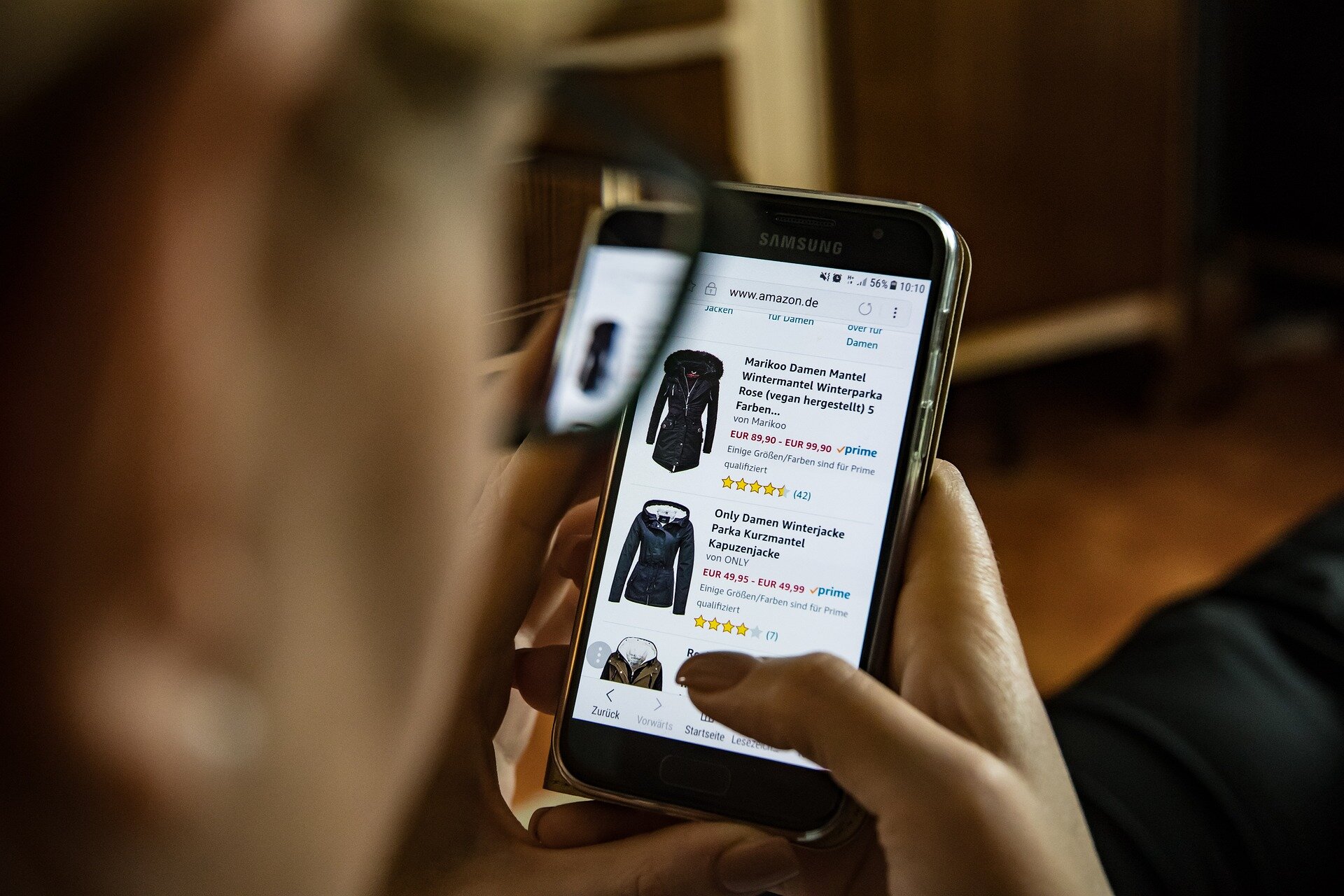
One participant captured the planning behind the purchase, "I add things to my cart and wait for payday or a discount notification." Participants also described social media as an important influence, exposing them to trends and making it easier to move quickly from discovering an item to buying it. One participant recalled, "I'll be scrolling through TikTok and see someone styling a Shein haul. Ten minutes later, I've got the same three items in my cart." What participants clicked on, searched for and saved also influenced the recommendations and promotions they saw next, which could keep them engaged with the platforms.
Study co-author Associate Professor Saniyat Islam said participants were often aware of ultra-fast fashion's environmental impact, but this knowledge did not necessarily change their behavior. "Instead, some created personal rules or limits that helped them feel more comfortable going ahead with a purchase," he said. The researchers called this "cognitive buffering," in which shoppers used budgets, spending limits and other rationalizations to make purchases feel more acceptable despite their concerns.
For one participant, that meant temporarily putting those concerns aside. "I know it's bad for the planet, but when I'm on a budget and need an outfit for Saturday, I just block that out." Tan said the findings suggested that simply raising awareness of ultra-fast fashion's environmental impact may not be enough to change behavior. "Many participants already understood the environmental concerns, but affordability, convenience and the desire for something new could still take priority," she said.
Extract — continue reading at the source.


