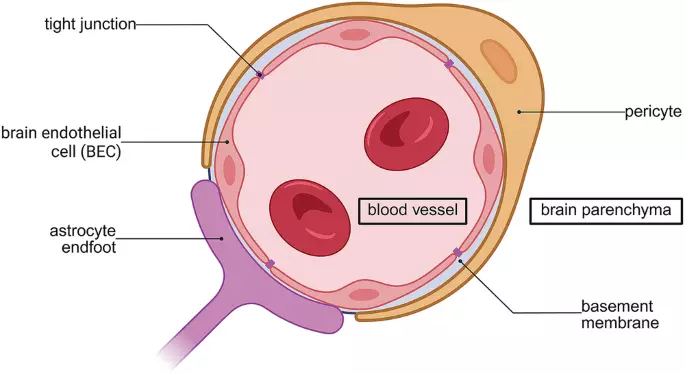
Antibodies are emerging as a promising drug modality for Alzheimer’s Disease. Yet the clinical success of these therapies is, in part, limited by their inability to cross the blood–brain barrier (BBB). Multiple delivery strategies have been attempted to enable antibody therapeutics to bypass or cross the BBB; incorporating components that target transcytosis receptors on brain endothelial cells (BECs) remains a top approach.
In this review, we focus on BBB shuttle technologies targeting the transferrin receptor (TfR), insulin receptor (IR), neonatal Fc receptor (FcRn), and CD98 heavy chain (CD98hc), emphasizing their distinct advantages. Incorporating these BBB shuttle technologies into the next generation of AD antibody therapeutics will improve brain penetration and, consequently, clinical efficacy. Alzheimer’s disease (AD) is a progressive neurodegenerative disease that afflicts around 30% of individuals over age 701.
The number of individuals living with AD is expected to increase due to the aging population, underscoring the urgent need for effective treatment. Numerous pharmacological approaches have been explored to treat AD or manage its symptoms, including vaccines, antisense oligonucleotides, small-molecule drugs, and monoclonal antibodies2,3,4,5. However, the only FDA-approved disease-modifying therapies are monoclonal antibodies, which will be the focus of this review6.
Antibodies offer distinct advantages over small-molecule drugs, including greater specificity and longer half-lives. The antibodies currently approved by the FDA for AD treatment, Lecanemab and Donanemab, target amyloid beta (Aβ)6. Aβ is an extracellular protein produced from amyloid precursor protein (APP) when it is cleaved by a β-secretase, such as BACE1, then by a γ-secretase7,8.
Antibodies and small-molecule inhibitors targeting BACE1 have been explored, but they have not been successful in slowing cognitive decline in humans (clinical trials: NCT01561430, NCT02260674, NCT01739348, NCT03131453, NCT02322021, NCT02245737)6,9. Due to the limited efficacy and safety concerns associated with anti-BACE1 therapies, efforts have shifted toward antibodies that directly target Aβ9. Aβ primarily exists in a 40 or 42 amino acid form that can aggregate to form oligomers, protofibrils, and then mature fibrils7,8.
Mature fibrils are the main component of Aβ plaques, which are a hallmark of AD8. However, soluble oligomers can bind directly to neurons and induce synaptic dysfunction, perhaps contributing more directly to the cognitive impairment associated with AD7,8,10. Different anti-Aβ antibodies in clinical trials target distinct Aβ species, which likely influences their therapeutic effects (Table 1)6.
Extract — continue reading at the source.


