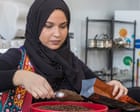
In Dearborn, Michigan, home to the largest community of Arab Americans in the US, one industry has risen above all others in recent years: Yemeni cafes. At the forefront is Qahwah House, a powerhouse in the burgeoning Yemeni cafe world with 32 branches open across the country. Three of those are here in Dearborn, with more on the way, and they attract people from near and far.
But the recent downturn in relations between the Trump administration and Canada has caused it to pause a planned expansion north. The company was hoping to open a branch in Toronto, Canada’s biggest city that’s home to thousands of residents of Arab descent, until Donald Trump, who has repeatedly suggested that Canada become a US state, announced 50% tariffs on Canadian imports in July. We have our registrations, license, everything in place to open up in Canada.
For now, we’re holding off just to make sure it’s a feasible move to expand,” says Ahmed. Dearborn’s Arab restaurants were so popular north of the border that a decade ago, the Toronto Star dedicated an article to highlighting the suburb’s best eating spots, despite it being a four-hour drive from the Canadian city. Last year, during the initial round of tariff disputes with Canada, Detroit businesses reported a huge fall in income from Canadian visitors.
Ottawa announced reciprocal sanctions on US imports that came into effect on 8 September. Talks last month failed to resolve differences between the two countries. Home to about 25,000 people of Arab descent, the city of Windsor on the eastern shore of the Detroit River in Ontario has for decades provided a strong source of customers for the fleet of Arab restaurants and cafes across Dearborn.
For dozens of families in the Ontario city, Friday and Saturday evenings were once spent lounging in Lebanese cafes after a quick jaunt across the border. I can see the river from my house – I am 1 mile from the center of Detroit,” says Robert Nelson, a professor of history at the University of Windsor who has written extensively on food and its cross-border dynamics. He says informal surveys he has conducted have found demographic variances between Canadians in Windsor who are continuing to visit Dearborn and wider Detroit, and those who are staying put in symbolic opposition to the Trump administration.
Dearborn is where it’s at; there’s so much Arabic being spoken around you. Before [the trade problems] Arab Canadians would go to Dearborn restaurants,” he says. But there are members of the Arab community in Windsor who are traveling less, who speak about supporting local.” One of Michigan’s biggest companies, Ford Motor Company, employs thousands of workers at its Rouge plant in Dearborn.
Extract — continue reading at the source.