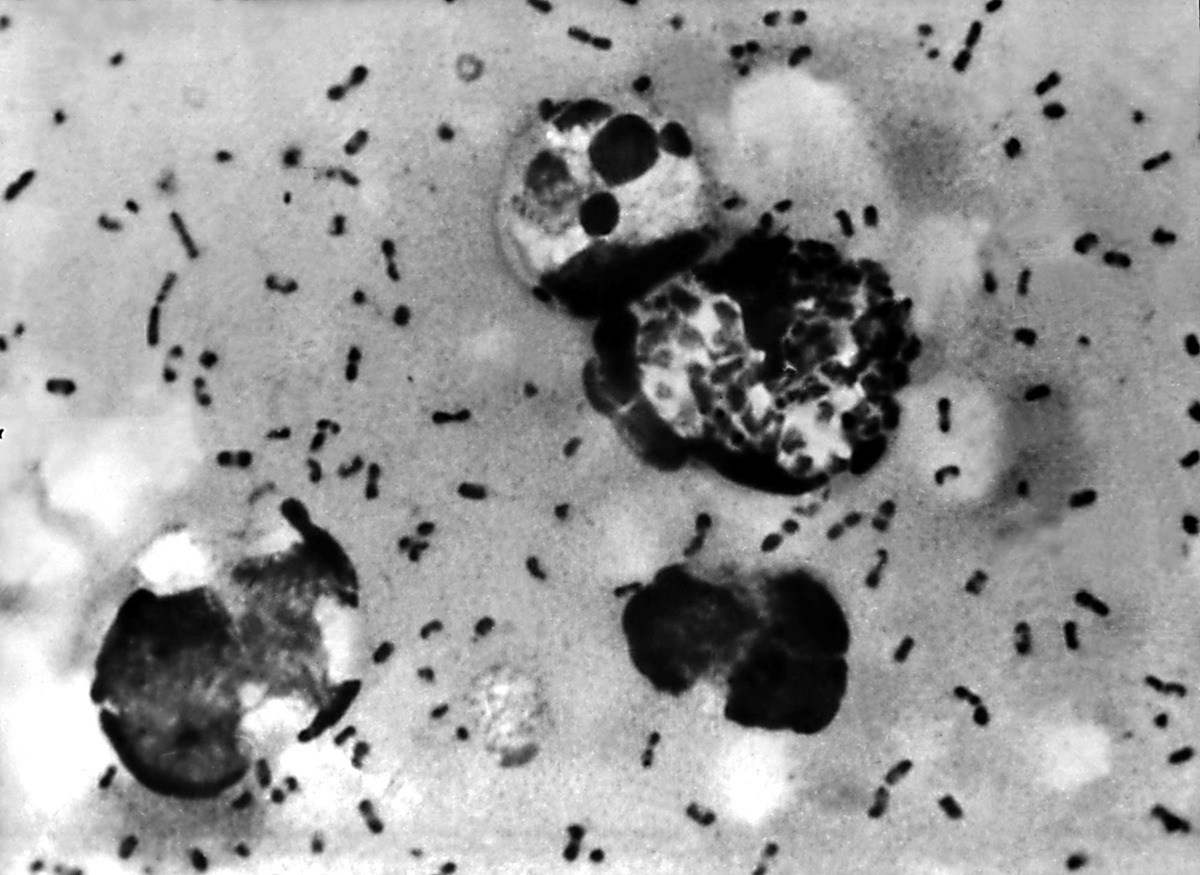
A woman has died of suspected plague in Siberia, triggering a "full range of anti-epidemic measures," according to Russian officials and media reports. Igor Kobzev, the governor of the Russian Irkutsk region, said on Friday he had met with the head of Rospotrebnadzor, Russia's public health agency, about "a suspected case of a regional resident with a particularly dangerous infection." The deceased person was named by the People of Baikal publication, a regional Russian independent outlet, as Daria Shipilova, a 28-year-old lab technician working at the Irkutsk Anti-Plague Institute. Ten countries reported suspected or confirmed cases of plague between 2019 and 2025, totaling nearly 4,000 suspected occurrences according to the World Health Organization (WHO).
Plague can be transmitted by fleas infected with the Yersinia pestis bacterium, or pass to humans when they come into contact with infected material, animals or particles. The bubonic plague is the most common type of plague, but the bacterium also cause pneumonic and septicaemic plague. The Yersinia pestis is naturally present in some parts of the world, meaning cases are rare but can regularly flare up, most often in parts of Africa.
Plague was responsible for millions of deaths over thousands of years, including the Black Death, which ravaged Europe and killed an estimated one third of the population of the continent in the 14th Century. Health experts say plague is now treatable with antibiotics, as long as it is detected early. The woman died in the town of Shelekhov, on the outskirts of Irkutsk's main city, on Friday, according to the People of Baikal.
Shelekhov mayor Maxim Modin said the local hospital had been placed under quarantine. Lab tests have been suspended, with no new patients being released or admitted, he said. Alexey Tsydenov, the governor of the neighboring Buryatia region, said a woman had died "possibly from plague." Russian authorities are "implementing a full range of anti-epidemic measures," Kobzev said, adding an unspecified number of people had been placed under medical observation.
Around 200 people have been identified as coming into contact with the deceased woman, Russian media in Irkutsk reported. The woman died of the pneumonic plague, according to a popular Telegram channel with links to Russia's security services. Pneumonic plague is described by the WHO as "most virulent form of plague," which affects the lungs and can have an incubation period of as little as 24 hours.
Pneumonic plague causes symptoms such as coughing and shortness of breath, and health experts say it is the most contagious type of plague, because it can be easily spread from person to person by respiratory particles. Bubonic plague, meanwhile, is the most common type of plague and triggers chills, vomiting, achiness and a fever in those who contract the disease after being bitten by an infected flea. Often, those with bubonic plague will also suffer from inflamed lymph nodes which can then turn into pus-filled sores.
Extract — continue reading at the source.