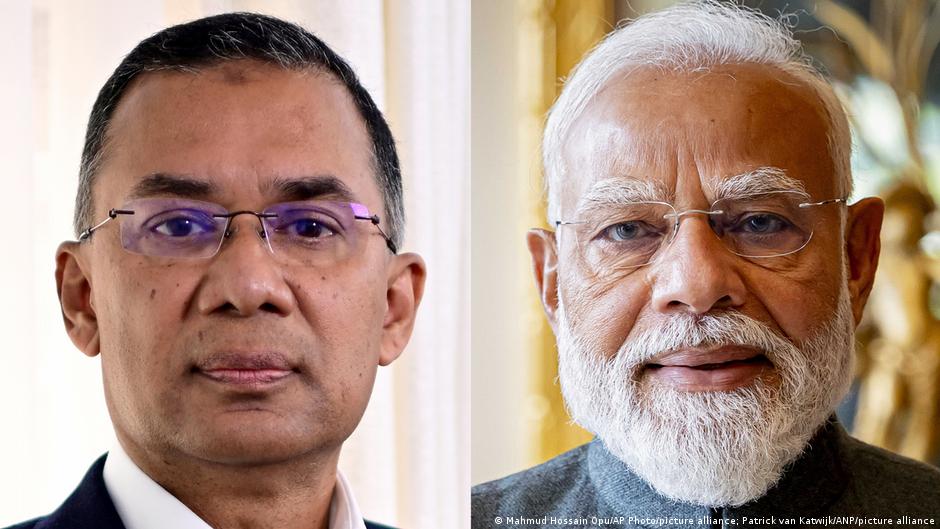
When India hosted a BRICS leaders' summit in New Delhi earlier this month, a notable absentee was Bangladesh's Prime Minister Tarique Rahman. The Indian government says Rahman received two invitations: one to attend a BRICS outreach session as the chair of a regional group of nations around the Bay of Bengal, known as BIMSTEC, and another for a bilateral visit to India. But in Dhaka, these invitations were viewed as a snub, as Rahman was not formally invited to the summit proper in his capacity as prime minister, but only as the chair of BIMSTEC.
This represents a departure from Bangladesh's previous prime minister, Sheikh Hasina, who was invited as premier to previous BRICS summit events, even though Bangladesh is not a member. The case is the latest example of the frosty ties between the two South Asian neighbors that have developed since Hasina's ouster in 2024 following huge protests and a deadly crackdown. Hasina fled to India, and last year was sentenced to death after being convicted in absentia of crimes against humanity over the response to the protests.
Bangladesh has called on India to extradite Hasina so that she can face justice. Hasina has rejected the verdict, calling it politically motivated. After her ouster in 2024, bilateral relations entered their worst period in years — visa services were curtailed as disputes mounted over her presence in India as well as the management of the border and alleged forced returns without due process of undocumented, mostly Muslim, Bengali-speaking migrants — known as "push-ins." To view this video please enable JavaScript, and consider upgrading to a web browser that supports HTML5 video Since Rahman's Bangladesh Nationalist Party (BNP) won February's election, that drift has partly reversed.
India resumed tourist visas in June and appointed Dinesh Trivedi as its new high commissioner. But while a bilateral summit is being discussed for November, Hasina's exile in India remains a major obstacle to normalizing relations. Former Indian diplomat Ajay Bisaria told DW that Bangladesh had "missed a trick" by staying away.
"It was a chance to engage not just with India but with other global leaders," he said. "But the lost ground is easily recovered." Both sides, he added, would need to manage the "irritant" of Hasina's presence in India. A positive bilateral summit later this year could reset ties, he added.
Humayun Kabir, a former Bangladeshi diplomat, said the relationship is not what it was before Hasina fled to India. "Ties were one-sided before the uprising, and Dhaka is now looking for something different," Kabir told DW. "There has to be dignity and equality." Dhaka is willing to engage, but New Delhi must create a congenial atmosphere for a Rahman visit, Kabir said, including by keeping Hasina from making "provocative" remarks and acknowledging the court verdict against her.
Extract — continue reading at the source.