2Q26 advanced IMSR across all three execution pillars, with Texas A&M-RELLIS moving into site-level development, NRC licensing progress continuing, and DOE-backed reactor and fuel programs advancing. Updated unit economics materially strengthen the long-term model, with estimated lifetime revenue per plant rising 29% to ~$2.7 billion from $2.1 billion and blended gross margin increasing to 33% from 22%. Recurring value capture is increasingly central to the model, with 79% of lifetime revenue generated post-construction and Core-unit/Fuel Salt supply carrying 33%/40% gross margins.
Liquidity remains sufficient to support a higher 2H26 investment cadence, with approximately $283.4 million of cash and investments and no financial debt. Valuation remains milestone-driven, with upside dependent on continued regulatory, project, fuel and financing de-risking. 2Q26 reinforced IMSR's milestone-driven commercialization roadmap; the more important development was a material improvement in the long-term economics of the business. Terrestrial Energy advanced across all three execution pillars, engineering and regulation, supply chain, and commercial development, with Texas A&M moving into site execution, NRC and DOE programs progressing, and Riot advancing toward first-site selection.
At the same time, management raised estimated lifetime revenue per IMSR Plant to approximately $2.7 billion from $2.1 billion and blended gross margin to 33% from 22%, with 79% of revenue expected after construction through Core-unit and Fuel Salt supply. Commercial and regulatory execution improved visibility into IMSR's next phase of development. Site control and development agreements moved the flagship RELLIS project into active site-level work, while NRC approval of the PIE methodology added a second reusable foundational element to the IMSR licensing basis and continued TETRA/TEFLA progress further advanced the licensing and fuel-readiness pathway.
We view these developments as strengthening the quality of IMSR's flagship project while further de-risking the path toward commercial deployment. Liquidity remains a meaningful strategic advantage as IMSR moves into a more execution-intensive phase. The company ended 2Q26 with approximately $283.4 million of cash and investments, while quarterly burn declined to $6.4 million, or approximately $2.2 million per month, from $7.9 million in 1Q26.
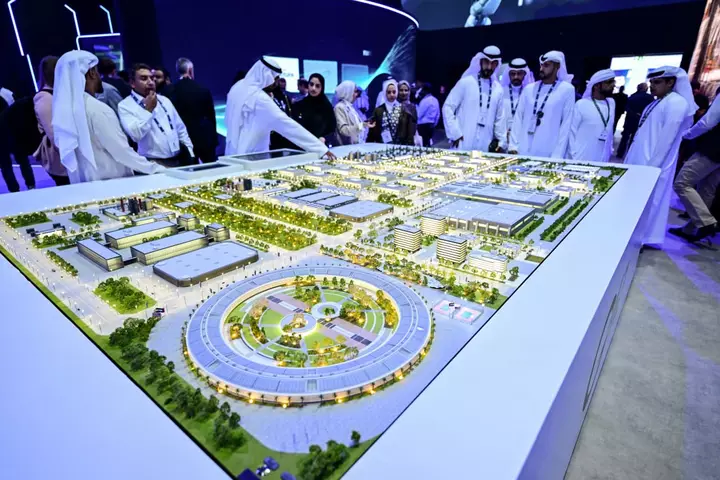
With spending expected to increase in 2H26 as site work, testing and program activity ramp, the balance sheet and absence of financial debt provide substantial flexibility to fund near-term de-risking without creating near-term financing pressure. Texas A&M-RELLIS made the most important project-level progression during the quarter, moving from commercial project selection toward site-specific execution. Terrestrial Energy signed ground-lease and research agreements covering approximately 77 acres at RELLIS, securing site control and enabling characterization and environmental work required for a future NRC construction permit application.
The company subsequently engaged Zachry Nuclear to support site characterization and data collection, adding established nuclear engineering capability to the development effort. We view this as a meaningful step beyond the original project announcement, as RELLIS is now progressing from commercial intent toward a controlled development site with work underway to support permit preparation. The next phase should be measured by progress through site characterization, environmental review and construction-permit preparation.
Extract — continue reading at the source.