Earlier this year, tight calves plagued me for the first time. No matter what shoes I wore or how much I stretched, the back of my lower legs felt tight, sore, and uncomfortable even in the days after my runs, which made it difficult to recover fast—let alone build up my mileage. I had been making my comeback since taking about four months off and I figured if I eased into running with a few 30-minute runs per week, I wouldn’t run into any pain or injuries.
But when my tight calves lingered and made it difficult to keep running regularly, I realized I wasn’t paying the same attention to these muscles as I had in previous training cycles. More specifically, I thought about a few calf-focused moves that I previously did one to two times a week, and figured that was the missing piece of my routine—and skipping them was causing serious discomfort. Weak calf muscles that get overloaded on the run can cause calf tightness, says Anh Bui, DPT, CSCS, USATF-certified run coach and physical therapist with Run Resiliently.
And because I hadn’t done many calf strength exercises months before I got back into running, mine were feeling the impact of my runs a little extra. The best ways to address sore or tight calves include getting evaluated by a physical therapist if the pain gets worse on runs, foam rolling to ease the soreness, and strengthening the calves, glutes, and hamstrings, Bui says. In my case, the tightness went away on my runs but lingered in the days after, so I waited for the soreness to subside with extra rest days.
Then, I focused on adding in moves that make my calves stronger and more durable to prevent them from tightening again. Preventing tight calves starts with strengthening them through plyometrics and strength training, says Bui, which ideally takes at least about one to two months. Once your calf muscles adapt to more load, they can handle the impact of your runs more effectively, which should ultimately keep the tightness away.
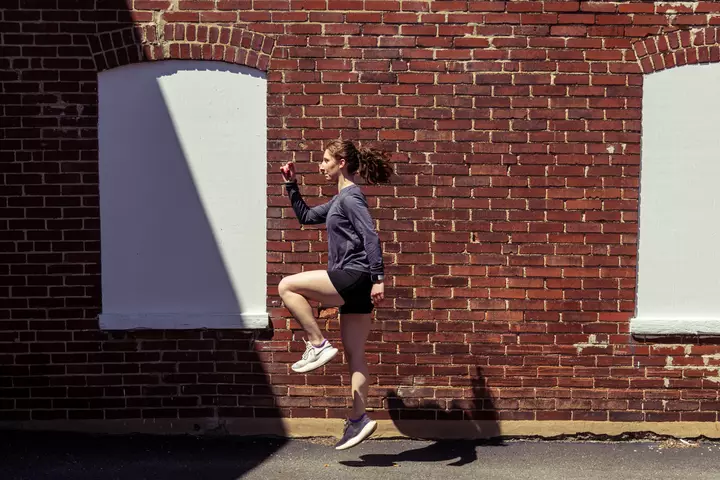
After practicing these moves consistently for about six weeks, I didn’t have the same issue. One of those moves is simple and requires no equipment. Pogo hops (or “jumping beans,” as my cross-country coach used to call them) build reactive strength in your calves, which helps you quickly absorb force during fast, bouncy movements, like when you’re running.
You don’t get this kind of response by running alone,” says Bui. The pogo hop movement is basically one minute of hopping in place, followed by a short break and a second set. I do this move at least once but often twice a week before a mobility/core session, often adding in two sets of weighted calf raises as well, which Bui also recommends.
Extract — continue reading at the source.