_Photo courtesy of_**Fábio Gusmão/O Globo Agency** | _Story_ _edited by_**Brendan Spiegel** On a clear August morning in 2005, the sun rose over Ladeira dos Tabajaras, a favela perched above Copacabana Beach, casting light across Rio de Janeiro’s rooftops and winding streets. The air hummed with everyday life. The laughter of children, the chatter of neighbors and the rush of passing cars blended into a hypnotic symphony — a familiar rhythm that was abruptly broken when the piercing shriek of police sirens cut through the air.
The wails grew louder as patrol cars climbed the hillside. Tires scraped asphalt and doors were slammed as armed squads leapt from their vehicles and moved in with practiced precision to arrest 13 unsuspecting drug traffickers who’d long terrorized the neighborhood with impunity. At the same time, across the city, seven military police officers were taken into custody on corruption charges tied to the same trafficking network.
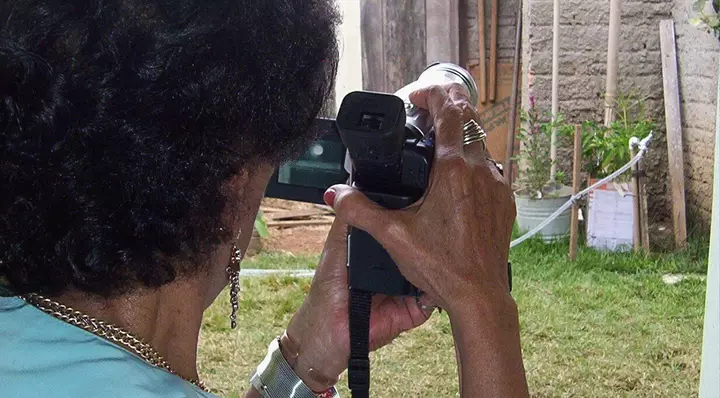
Two other officers had already been arrested the night before, marking the start of a coordinated operation. Behind the sweeping arrests stood an 80-year-old Afro-Brazilian woman armed with nothing but a camcorder and courage that bordered on delusion.
Extract — continue reading at the source.