To most of the world, he was and will always be the “Butcher of Bosnia”, a grim epithet but one that still fails to fully convey the evil and horror inflicted on its people by Gen Ratko Mladić, who died in prison on Thursday. As commander of the Bosnian Serb forces, Mladić was responsible for the killing of an estimated 100,000 men, women and children during the savage breakup of Yugoslavia in the 1990s. He was most notoriously the architect of ethnic cleansing and the genocide at Srebrenica in which at least 8,000 Bosnian Muslim men and boys were slaughtered.
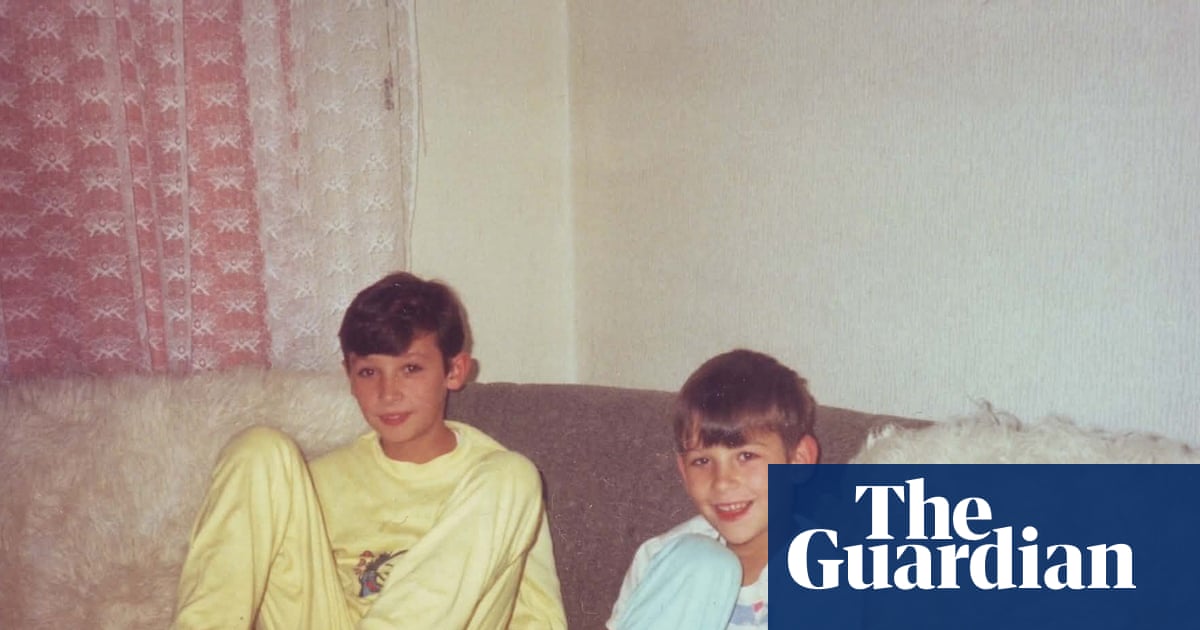
Today, 31 years after the Dayton agreement ended the Bosnian conflict and the 1,425-day siege of Sarajevo – the longest in modern warfare – Mladić is dead, but his legacy still divides the Balkans. Džemil Hodžić was 12 when his brother Amel, 16, was killed by a sniper while playing tennis in Sarajevo in May 1995. Everyone knew him and his name.
We were very well aware that he was responsible for our situation and the suffering we were going through,” Hodžić, now 43 and founder of the Sniper Alley photo project in Sarajevo, told the Guardian. During the siege of the Bosnian capital they killed more than 11,000 people, including 2,000 children, in a terrifying daily campaign of shelling, bombing and sniping. I can either destroy it or take it whenever I want,’” Kusovać said.
He also kept meticulous notes of what he did … he wrote everything down with the absolute confidence of a man who believed he would never be held responsible for it.” As well as those killed in Bosnia in the 1992-94 conflict, 20,000-50,000 women and girls were raped and 2.7 million people were displaced. Srebrenica is remembered as one of the most shameful failures of the international community. The Bosnian town, its mainly Muslim population swollen by refugees, was declared a UN “safe haven” and residents were ordered to hand over all weapons to international peacekeepers.
The UN then abandoned Srebrenica to a bloody fate. The image of Mladić ruffling the hair of a child in the enclave shortly before marching all men and boys away to be killed, is particularly chilling. To many Serbians, however, Mladić was a hero: a man who believed in a mythical “Greater Serbia” but was traduced in an international campaign against Serbs who felt – and still feel – misunderstood and victimised.
On Thursday, the Serbian government in Belgrade once again defied international condemnation as it announced that Mladić, who died serving a life sentence for genocide, war crimes and crimes against humanity, would be buried with “all the military and state honours to which he is entitled”. He was either 83 or 84 when he died, according to differing official and family accounts. The ultranationalist politician Vojislav Šešelj told journalists: “Mladić fought against those villains [at The Hague] for a long time; they expected his death two or three years ago, but he did not give up.” Milorad Dodik, the Bosnian Serb separatist leader, added: “Mladić was respected by the Serbian people.
Extract — continue reading at the source.