There is perhaps no more important financial line item in a coach's contract than the buyout. Often, the liquidated damages section can set the terms of how easy a separation can be or how long a coach's specter can remain on the school's balance sheet. There are sticker-shock buyouts every year in college football: Jimbo Fisher's $76.8 million fully guaranteed number from Texas A&M will go down in infamy.
It made Gus Malzahn's $21.4 million number from Auburn (eye-watering at the time) seem quaint. Former LSU head coach Ed Orgeron famously quipped that during his buyout discussion with LSU, "They said, 'Coach, you've got $17.1 million on your contract," Orgeron said. "We're gonna give it to you.' I said, 'What time do you want me to leave and what door do you want me out of, brother?'" But that's the SEC, where salaries have ballooned to the point that multiple coaches make into the eight figures.
At the lower-paid levels of the sport, the story is much different. Sam Houston fired Phil Longo in late October. The Bearkats are one of the newest FBS programs and a job of little desirability among industry sources because of the resources it lacks.
Longo's 2025 salary was $725,000 ($700,000 plus $25,000 in supplemental income). It's a salary akin to that of some SEC position coaches. Longo initially signed a five-year contract, according to a copy obtained by CBS Sports.
His deal includes a maximum of $950,000 if he hits all incentives in the deal, both on-field and academic. He's owed what remains of his 2026 salary, plus his base salary for 2027 and 2028 (roughly $1.53 million in total) and $50,000 in supplemental income. The amount is to be paid monthly through the remainder of the deal.
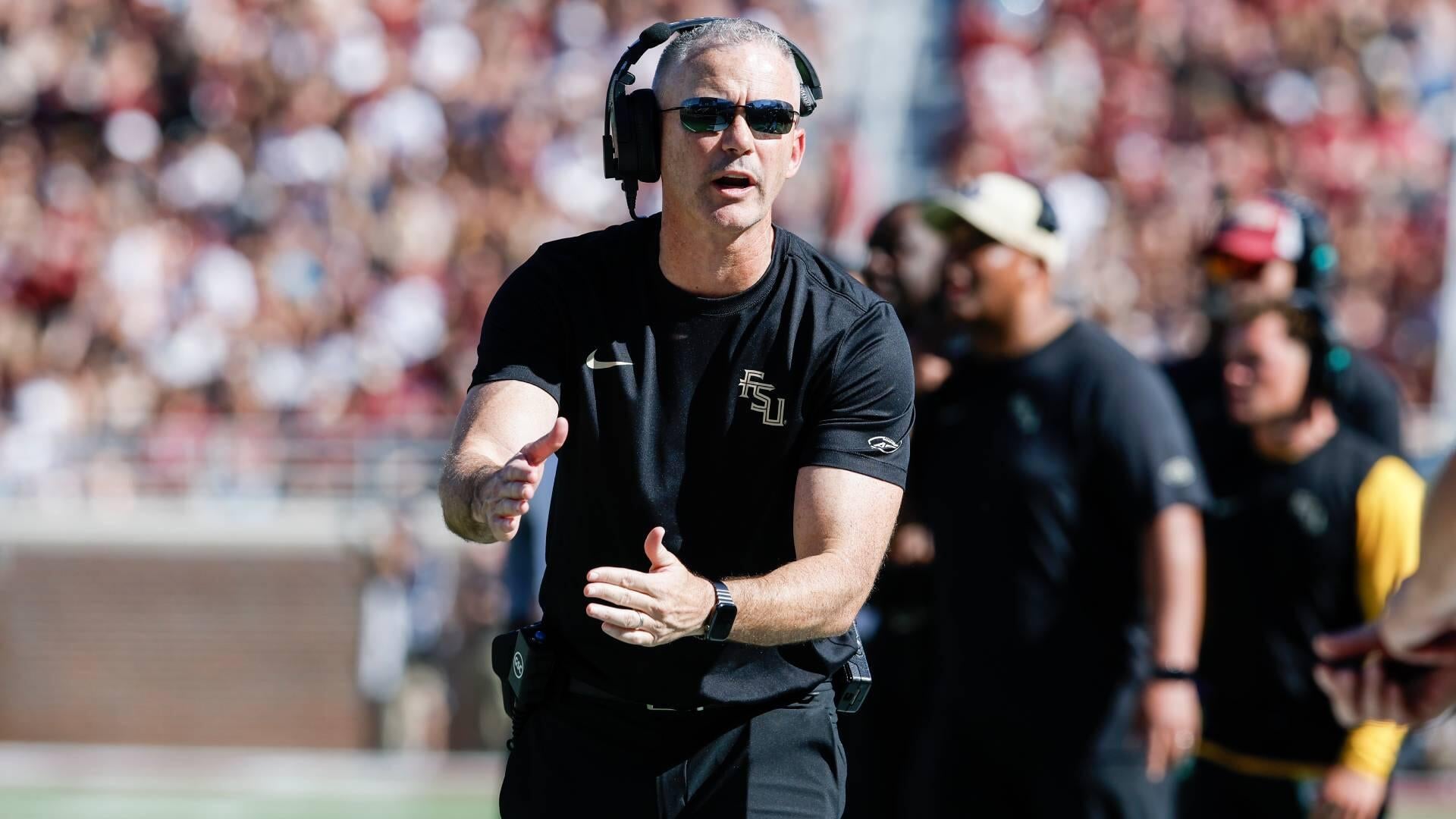
His buyout pales in comparison to Mike Norvell's much-publicized approximately $50 million number, but CBS Sports goes inside what goes into a small-school buyout and how schools make the calculus in the lower rungs of the Group of Six. The buyout can turn heads in any coach's contract, but the really important number is in the fine print, namely the mitigation clause. "The Coach agrees that if he receives compensation from another coaching position during the time he is receiving buyout payments from the University under Section 3.03.a., the University may reduce the amount of the buy-out payments on a dollar-for-dollar basis by the amount that the Coach receives as compensation from his new employer in such coaching position.
Extract — continue reading at the source.