For years, the Republican Party's message on technology was straightforward: cut regulation, unleash private investment and let US businesses build. But as the 2026 midterm elections approach, one unlikely issue is threatening to complicate that formula: data centres. The enormous facilities needed to power the artificial-intelligence boom have become a political liability for Republican candidates in some of the country’s most competitive races – precisely because US President Donald Trump remains one of their most enthusiastic defenders.
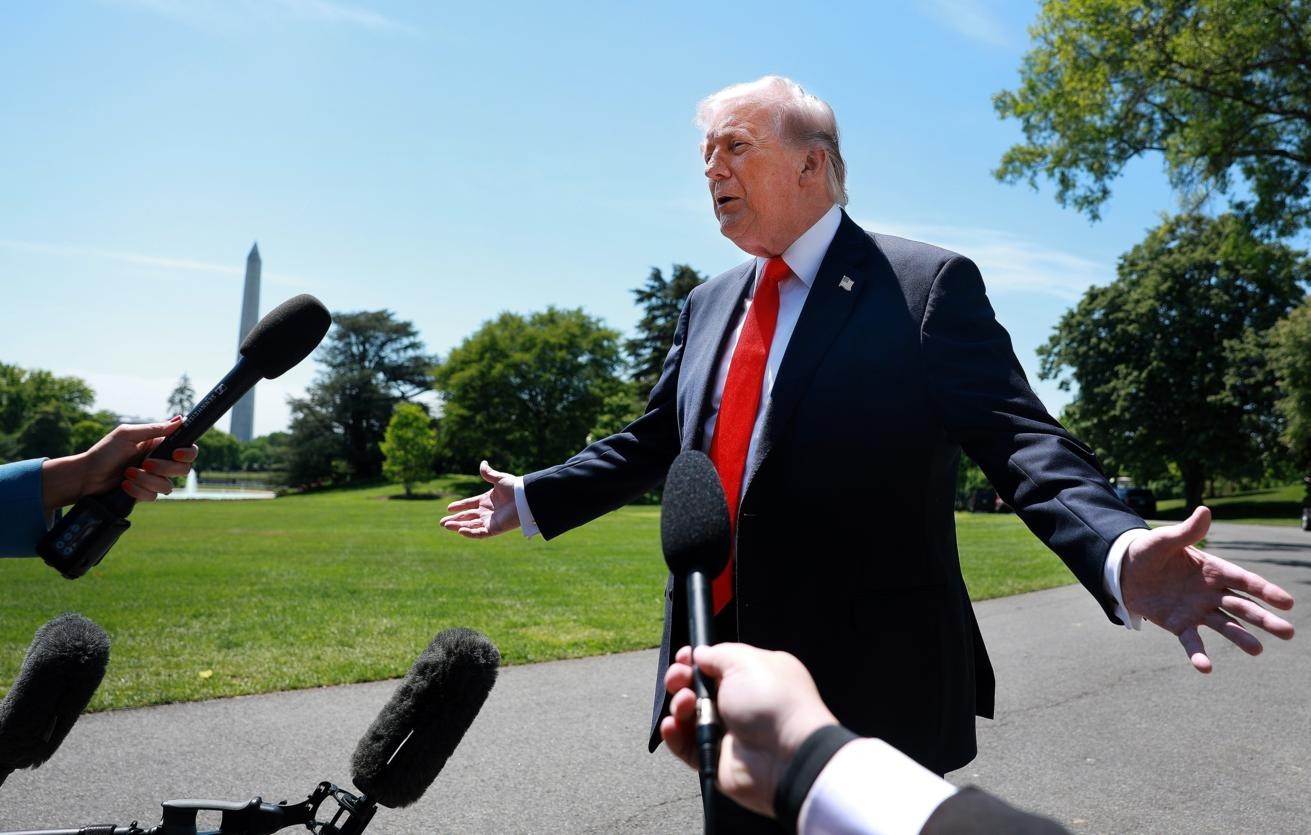
Trump has been unequivocal in his support. In recent comments, he argued that communities resisting data centres are “making a mistake”, and said governors and mayors should want AI facilities because of the jobs, investment and tax revenue they bring. He has repeatedly framed the expansion of data centres as essential to defeating China in the global AI race – and downplayed the mammoth amount of electrical power needed to run the centres and the impact they have on neighbouring areas.
"They're making their own power plants. They're building the most beautiful, you've never seen power plants like this," Trump said in an interview that aired on Sunday. His zeal for data centre construction puts Republican candidates in an awkward position.
They are being asked to defend an administration that sees AI infrastructure as a pillar of American economic and national security – while voters in their own states are increasingly asking a much more basic question: Who is going to pay for all of this? Data centres consume not only enormous amounts of electricity, but also, in many locations, substantial quantities of water. Residents worry about higher utility bills, pressure on local power grids, noise, pollution and the loss of farmland or open space.
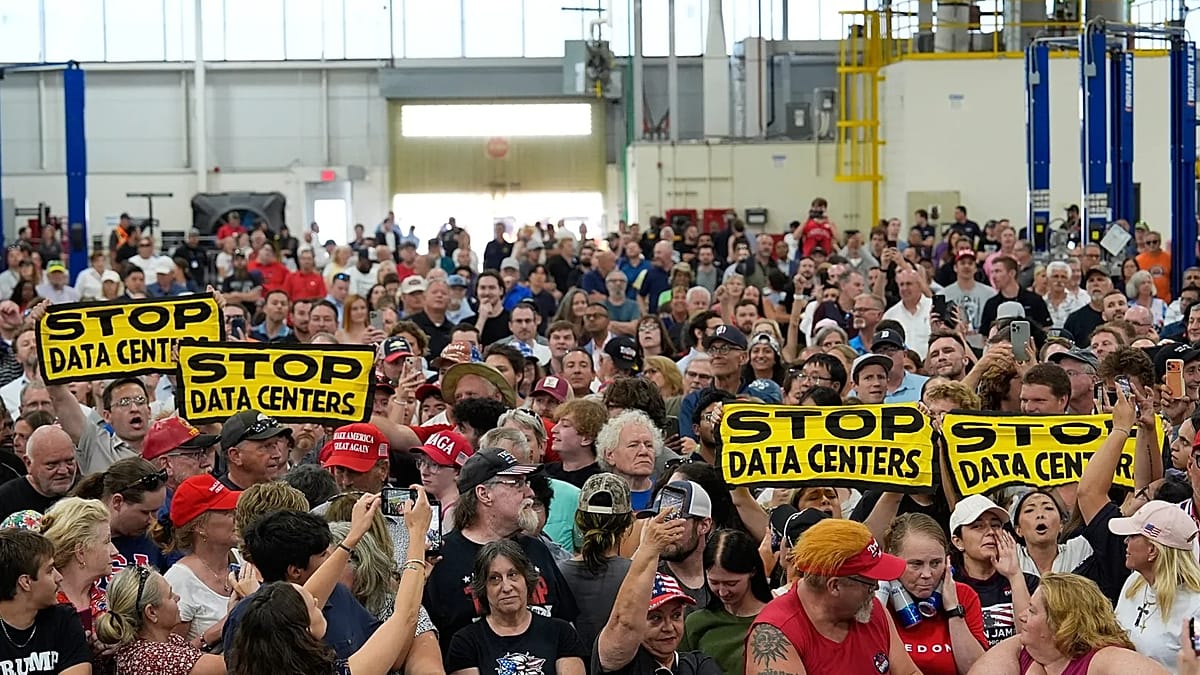
The economic benefits can be substantial, but so can the infrastructure costs. And the backlash is no longer confined to the political left. A recent Gallup survey found that roughly seven in ten Americans oppose having a data centre built in their own community, including a majority of Republicans.
That has transformed what was once largely a zoning and planning dispute into a national political issue. For Republicans, the problem is particularly acute because the issue cuts directly across one of the party's defining political instincts: support for business coupled with opposition to government intervention. The Republican candidate who says “build it” risks sounding like an ally of Big Tech at a moment when voters are increasingly skeptical of the industry's power, but the Republican who says “stop it” risks contradicting Trump and undermining the administration's broader campaign to make the US the world's dominant AI power.
Extract — continue reading at the source.