The Manhattan Project National Historical Park commemorates the importance of Los Alamos, New Mexico; Oak Ridge, Tennessee; and Hanford, Washington, in the building of the first atomic bombs. This mission employed more than 130,000 people. They produced bombs at an average cost of $5 billion each (in 1996 dollars).
One of those bombs was tested at Alamogordo, New Mexico, on July 16, 1945. Two were dropped on Japanese cities: Hiroshima, on August 6, 1945, and Nagasaki, on August 9, 1945. These are still the only uses of nuclear weapons in war.
But the subsequent Cold War’s production of nuclear weapons “dwarfed its wartime predecessor in size, scale, personnel, and expense,” writes historian Jason Krupar. At its peak in 1985, the world’s nuclear arsenal totaled around 63,600 warheads. After the breakup of the Soviet Union in the early 1990s, America’s “nuclear fabrication system” began to be dismantled. (There are still some 12,000 nuclear weapons in the world; the Doomsday Clock of the Bulletin of the Atomic Scientists is 85 seconds to midnight, the closest it has ever been.) While the World War II-era Manhattan Project has a historical park designation, America’s Cold War nuclear weapons landscape has hardly been memorialized at all.
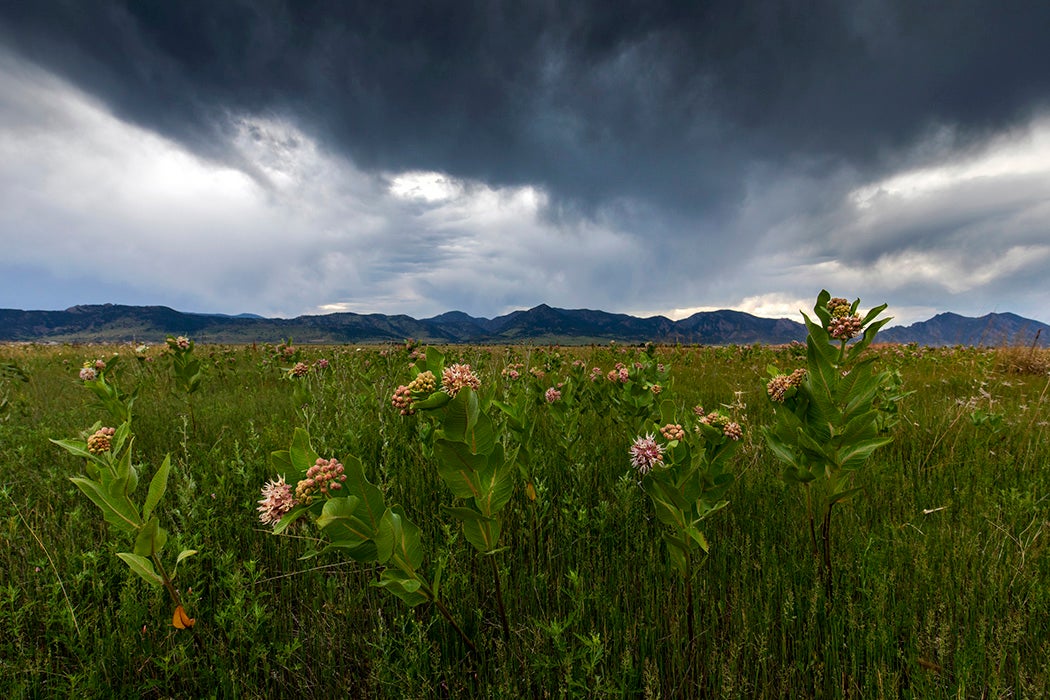
In general, the monuments that have been put up are often about the remediation and cleanup, not the original weapons production. In many ways, this history has been removed from the landscape, although the pollution remains. Krupar’s examples of the “disappearing nuclear landscape” include the once-secret Rocky Flats Plant eighteen miles west of Denver, Colorado.
Rocky Flats produced 60,000–70,000 “plutonium pits” or triggering devices over nearly forty years. These were the fissionable parts of warheads that triggered the nuclear (fusion) explosion. In a system that otherwise had much redundancy, Rocky Flats was the only facility capable of “assembly-line machining of the critical plutonium devices.” Krupar continues: “Rocky Flats became a chokepoint in the streams of nuclear and non-nuclear components that crisscrossed the nation.
The technological failures and industrial catastrophes which occurred at Rocky Flats generated ripples across the entire nuclear weapons manufacturing network.” Those catastrophes included hundreds of fires—machined plutonium is highly flammable—including major ones in 1957 and 1969. The latter cost the Atomic Energy Commission, then the federal entity with oversight of such facilities, more than $65 million in cleanup costs and plutonium consumed by the fire. It was also a turning point in regional opinion about the plant: the Cold War had first made people proud to be involved and communities eager to thrive on federal expenditures, but the human health and environmental costs of nuclear weapons production took their toll over time.
Extract — continue reading at the source.