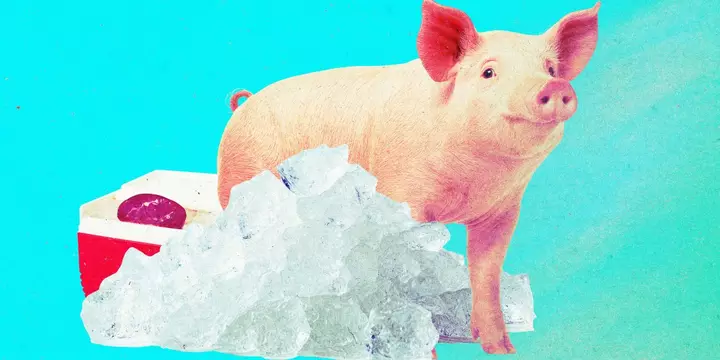
This is today's edition of The Download, our weekday newsletter that provides a daily dose of what's going on in the world of technology. Pig kidneys that were cooled to -150 °C and stored in a freezer for months have been successfully rewarmed and shown to work again for the first time, say scientists. The kidneys, which are similar in size to human ones, were left in a glass-like state, in one case for over a year.
Once they had been rewarmed, tested in machines, and transplanted into pigs, the kidneys regained their color and made urine—key signs they were working. The results are a big milestone. But the team still needs to establish whether the approach could work for humans.
Dissect what the breakthrough means for organ transplantation. In this age of rising electricity demand, people are trying to squeeze every last bit of power out of every power plant. Over the past few weeks, there’s been big news about the nuclear industry trying to do just that.
Constellation, the largest nuclear operator in the US, announced plans to add nearly a gigawatt of new capacity across 11 existing nuclear reactors at six plants. On October 5, the Department of Energy awarded Vistra a $4.2 billion loan to upgrade three plants. Pushing existing reactors to produce more could quickly provide more clean power for data centers.
But just how much additional power can we count on? This story is from The Checkup, our weekly climate and energy tech newsletter. . BasiGo is one of MIT Technology Review’s10 Climate Tech Companies to Watch 2026, available exclusively to subscribers.
BasiGo aims to replace the tens of thousands of diesel-powered buses on sub-Saharan African roads with electric ones that generate far fewer emissions. Its pay-as-you-drive business model helps make EVs more attainable for private bus operators, while the company provides leasing, maintenance, insurance and charging infrastructure. The company has more than 150 electric buses on the road in Kenya and Rwanda, with a reservation list of 1,200 customers.
Extract — continue reading at the source.