The world has spent decades debating how to transition away from fossil fuels. Three years ago, at COP28 in Dubai, 195 countries reached, by consensus, an unprecedented agreement to do so. Since then, we have seen both the cost of waiting and the opportunity to act.
From Intergovernmental Panel on Climate Change (IPCC) warnings to the recent confirmation by the United Nations Environment Programme that the world is set to overshoot limits needed to prevent some of the worst of global warming's harms, change is imperative. Extreme weather events are becoming more lethal, frequent, and intense. It is crystal clear to us that fossil fuel dependence is a liability, threatening energy security and economic development across the planet.
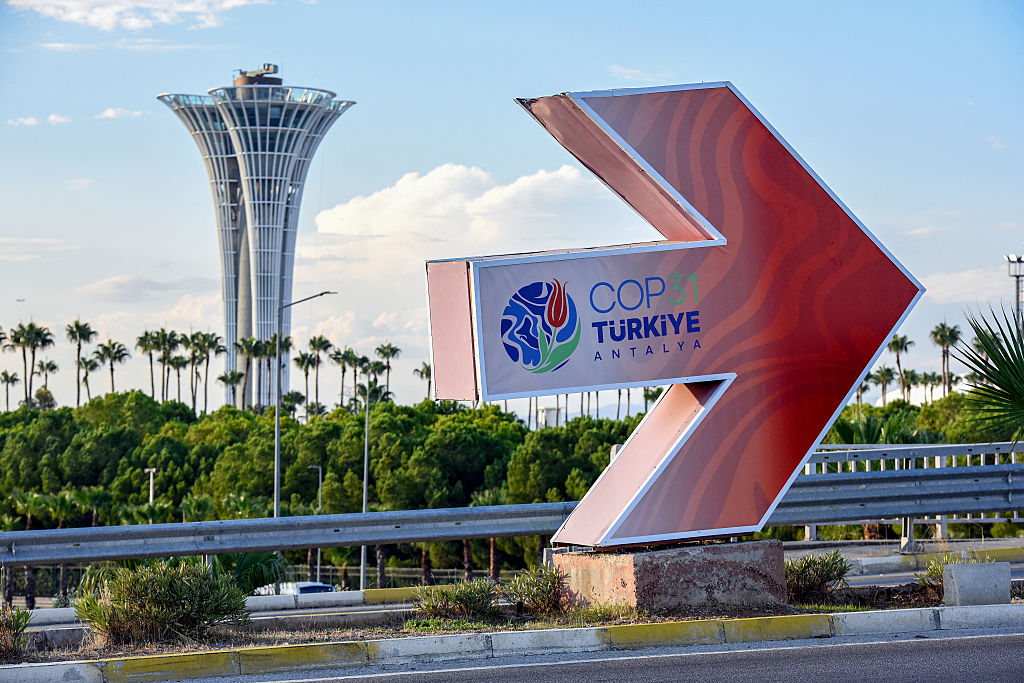
Yet the past year has also brought significant progress, showing how the transition away from fossil fuels is becoming a reality. After leaders gathered in New York for Climate Week and the UN General Assembly, there are several lessons we must carry into COP31—and reasons to accelerate action. At COP30’s closing plenary, we announced a roadmap to transition away from fossil fuels by 2050.
It examines the barriers societies face, the finance and policies they need, and the different pathways available to them, recognizing that countries start this transition from very different points. Our agenda was also restructured to accelerate implementation of the Paris Agreement, uniting the world around solutions. A new two-tier multilateralism is already in motion.
One speed is anchored in countries and consensus. The second, which does not require consensus, focuses on implementing the decisions of the COPs. In that spirit, COP30 stimulated coalitions under the Global Climate Action Agenda, such as the one that organized the Santa Marta Conference, convened by Colombia and the Netherlands.
The subsequent report set out options for national planning, investment, and international cooperation. These efforts are building the foundations for our future beyond oil, gas, and coal. The test now is whether they help countries turn commitments into action.
Extract — continue reading at the source.