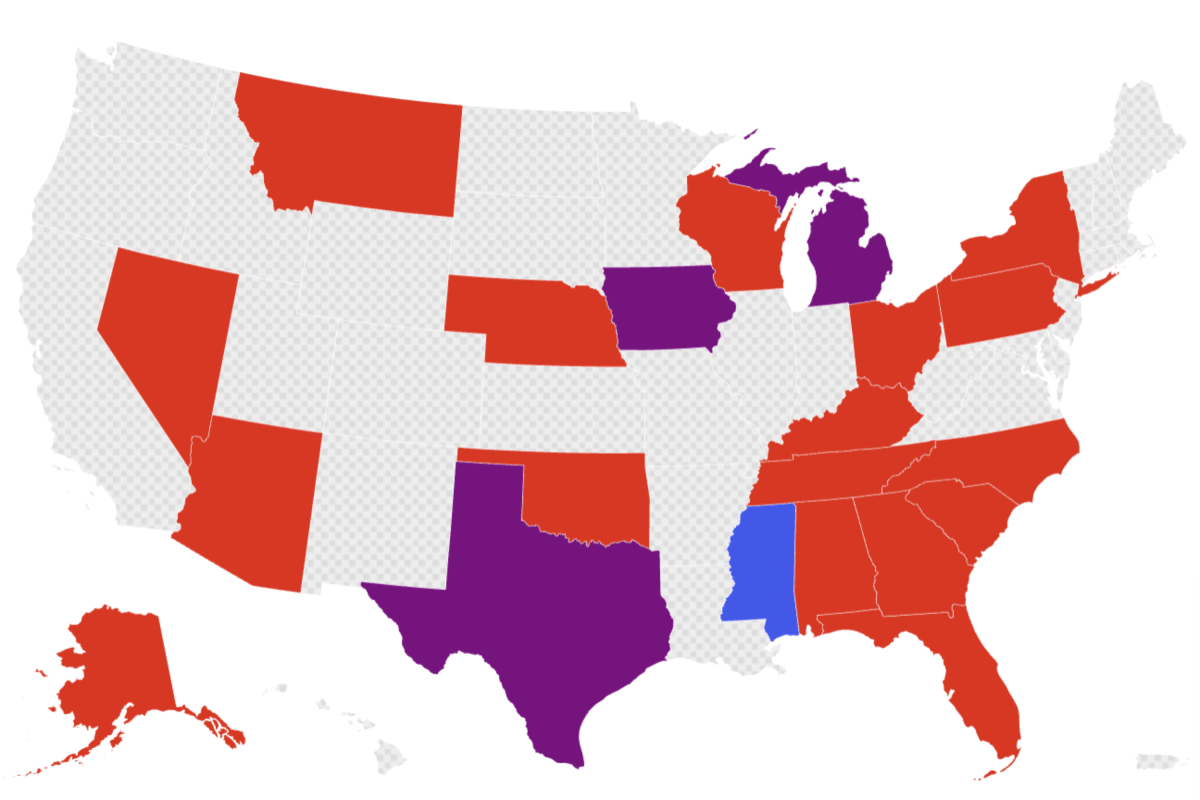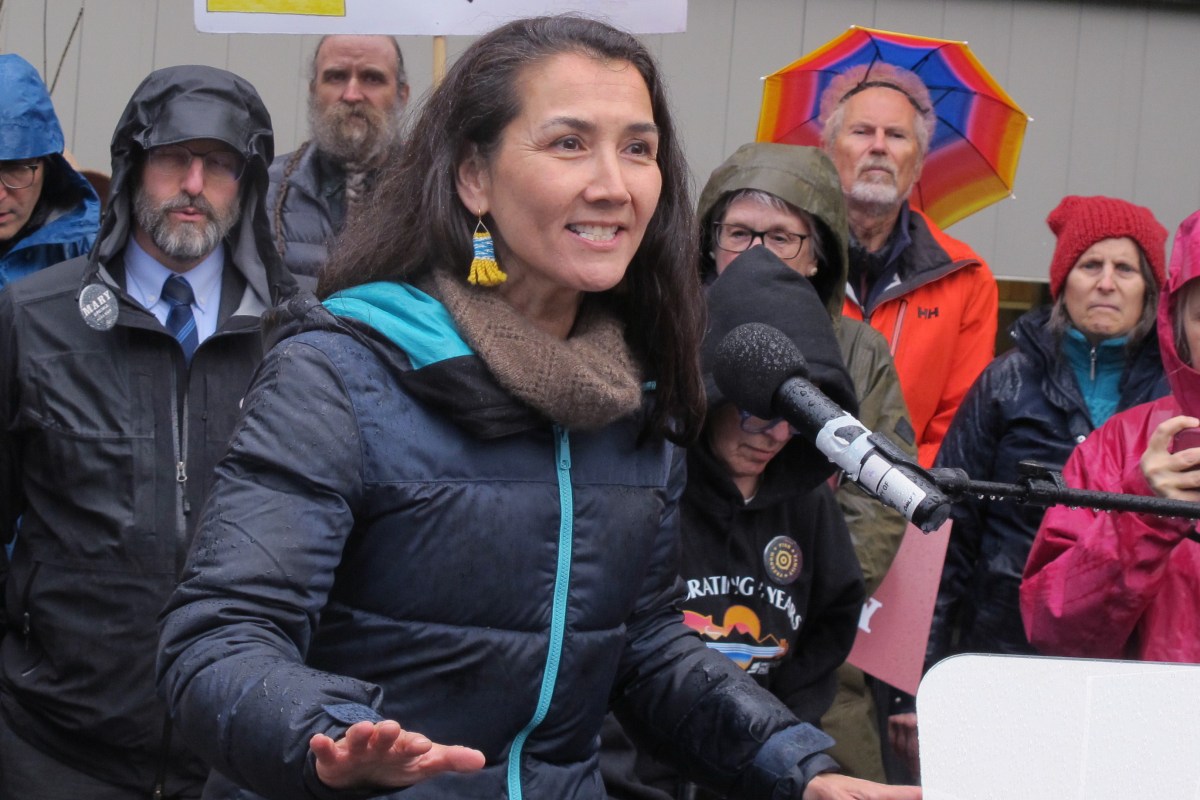
We are in the midst of a widespread uprising of grassroots activism, from the data center rebellion sweeping the country, to Iowa where cancer is the number one issue this election cycle, to residents of Corpus Christi pushing back against industry’s rapacious use of water during a drought. The Trump administration is trying to squelch this activism, announcing recently that they are limiting public comment on new sources of pollution. But, thankfully, Americans across the political spectrum are saying yes—yes to clean air and water, safe food and local control—and an emphatic no to decisions that put their health, their neighborhoods and their livelihoods at risk.
Election day is coming quickly. If you’re a politician of either party, remember that voters and nonvoters alike value their health and safety. Environmental regulations are popular, corporations are not.
If you’re a professional climate advocate, as I am, there’s an important lesson in what’s happening across the country—and in what didn’t happen to defend Biden’s signature climate achievement, the Inflation Reduction Act. Holding polluters accountable is far more likely to mobilize people than tax credits for clean energy. Unfortunately, this cross-partisan revolt has not yet stopped what is happening in Washington.
Under President Donald Trump, the Environmental Protection Agency's (EPA’s) agenda has shifted away from a mandate to protect the environment to now, “unleash energy dominance, bring back American auto jobs, pursue permitting reform and make America the AI capital of the world.” The White House has eviscerated protective regulations, abandoned enforcement of the regulations that remain and, under the guise of an "energy emergency," specifically accelerated the permitting of new infrastructure for data centers and the oil and gas industry—including the largest gas-fired power plant ever and a massive gas export terminal. The scale of what’s happening is too much to comprehend. Have you heard that the federal government recently approved testing mirrors in space that will direct more sunlight to specific locations to improve farm productivity and make it easier for construction workers to build at night time?
No environmental review required. Back here on earth, recently decided that massive private energy grids do not need to comply with a decades-long component of the Clean Air Act, unlike traditional power plants. According to a recent analysis by BloombergNEF, proposed new data centers would increase pollution from electricity by 20 percent.
The fact that AI is driving a dirty gas boom is confusing, since market observers note that clean energy is cheaper than fossil-powered electricity. Turns out, clean energy doesn’t have much of a cost advantage in a world without environmental regulations. Even after notching these victories, polluters are still asking for more.
Extract — continue reading at the source.