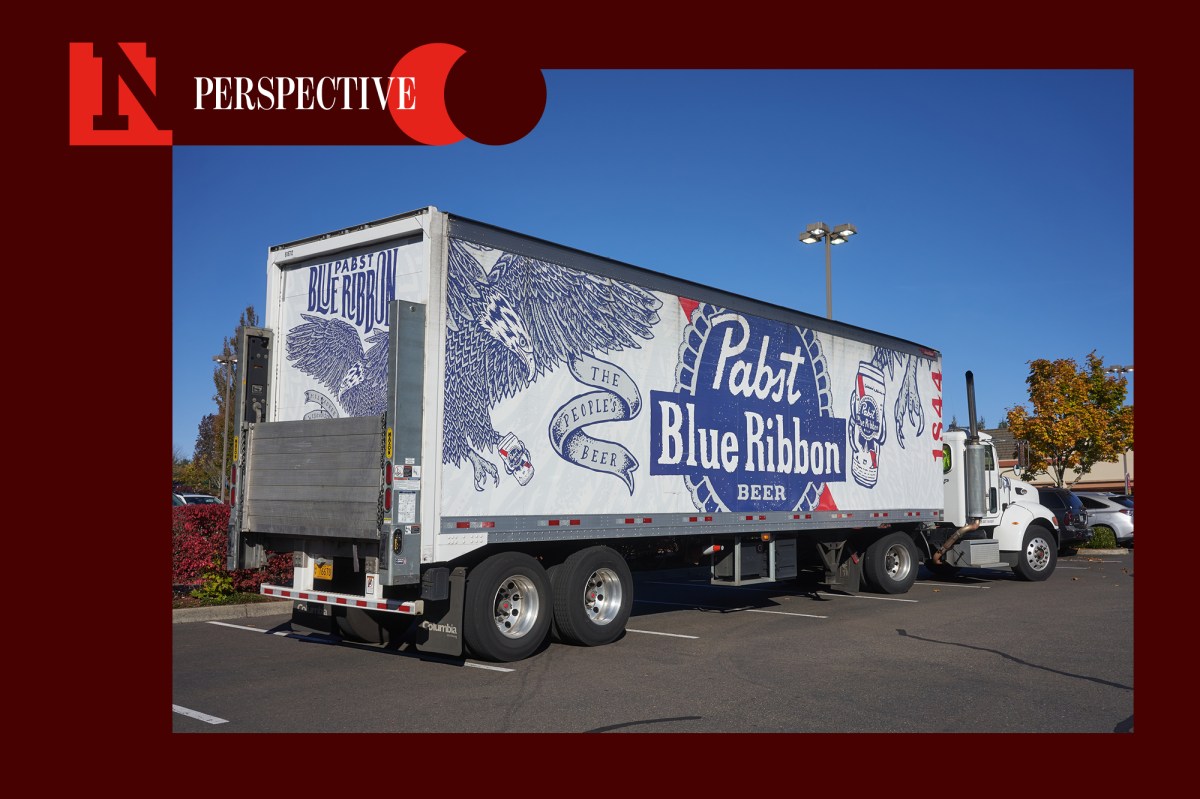
California’s great Pabst Blue Ribbon heist didn’t need much heisting: roughly 40,000 pounds of beer left a Montclair distribution center after someone presented paperwork convincing enough to simply be handed the cargo. The clever bit, according to police, was administrative. On August 17, two shipments worth about $70,000 disappeared from an Anheuser-Busch distribution center in Montclair, about 35 miles east of Los Angeles.
The first, worth roughly $45,000 and bound for Tucson, never arrived; about an hour later, a purported subcontracting company submitted fraudulent documents and obtained another $25,000 shipment containing Anheuser-Busch and Pabst products. Police are investigating whether the two pickups were connected. Pabst has leaned into the comic possibilities, offering a reward and appealing for the cargo’s return while insisting the whole thing is quite real.
The beer may sound like a funny target but the method employed in stealing it is probably less so. The Montclair theft fits a category the FBI calls "strategic cargo theft": criminals use deception to persuade shippers, brokers or carriers to release goods to somebody posing as an authorized operator. Common tactics include fictitious pickups, stolen identities, account takeovers, fraudulent carriers and double-brokering.
In April, the FBI warned that cyber-enabled versions of these schemes were surging: estimated cargo-theft losses in the United States and Canada approached $725 million in 2025, up 60 percent from 2024, while confirmed incidents rose 18 percent. The mechanism is pretty shocking: criminals can compromise legitimate trucking accounts, alter company contact information, manipulate bills of lading and use those credentials to bid on real freight. A real, legally employed driver of the company may even transport the goods without realizing that somebody upstream has changed the destination, unknowingly participating in a theft.
The process changes what a successful thief actually needs to be good at: it’s no longer about breaking into warehouses in the middle of the night, but convincingly impersonating somebody that the warehouse already trusts in broad daylight. Here, the power of legitimacy is on display in its full force. Modern commerce runs on a series of small acts of trust.
First, a warehouse checks a carrier profile then a dispatcher trusts an email account and a broker accepts a bill of lading. Most of the time, those credentials belong to exactly the people they say they do…until they don’t. Forty thousand pounds of missing beer makes for a good story.
Extract — continue reading at the source.