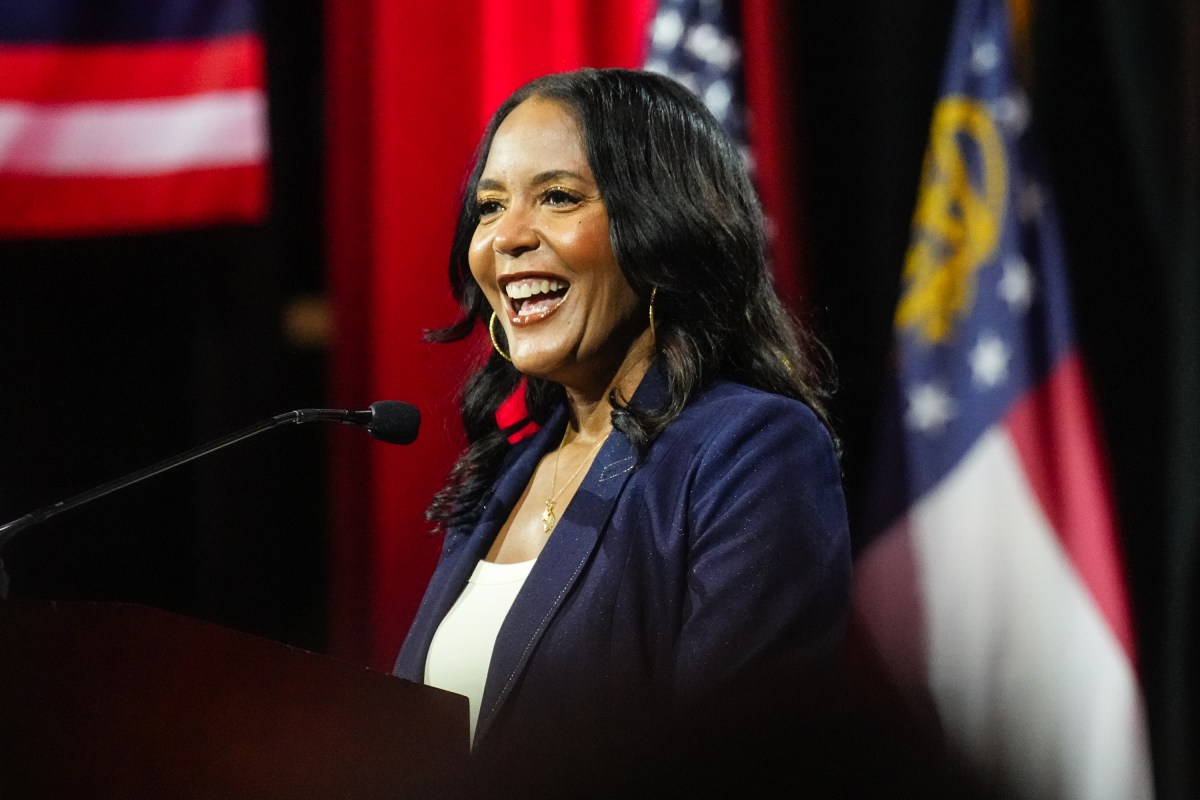
Sir Ed Davey’s speech at the Liberal Democrat party conference was a calculated appeal to voters who recoil from a rightwing bloc associated with Brexit, nationalism and reactionary politics. That’s not a bad place to start. But he wants this message not to be lost in the headlines about his party’s £17bn tax giveaway aimed at disillusioned Conservative voters.
To walk that line, his address sought to present Reform UK’s politics as an existential threat to Britain, appealing directly to left-leaning tactical voters. At the same time, he told moderate Tories that only a vote for the Lib Dems can reliably block both Reform and a Conservative-supported Nigel Farage premiership. Too clever, think some in his party, who yearn for clearer dividing lines.
Yet the Lib Dem leader is nothing if not ambitious. He claims that his party could have more MPs than the Conservatives after the next election. In 2024, the Lib Dems won 60 of their 72 seats from the Tories; they were also second in a score of Conservative-held seats.
That electoral geography pushes the Lib Dems as replacing the Conservatives as the respectable, pro-market opposition, while Reform occupies the space of the nationalist right. The logic is that in a multiparty system under first past the post, it may no longer be necessary to be a national party. Sir Ed might become kingmaker as the parliamentary expression of a liberal southern tendency.
Rejoining the single market would be in Britain’s interests. But presenting the move as a frictionless growth policy obscures the major change involved in accepting common rules and institutions. Sir Ed’s tax cuts may be smart politics, parking Lib Dem tanks on Tory territory.
But they are a world away from his 2024 election image as the champion of carer’s allowance, NHS funding and local sewage protests. That leftwing stance importantly allowed him then to tap into tactical anti-Conservative voting. Raising the personal allowance to £15,000 allows Sir Ed to speak to almost every taxpayer in a cost of living crisis, while increasing the higher-rate threshold to £56,000 targets professionals in the south on whom his electoral strategy depends.
Extract — continue reading at the source.