Before every screening at the West End’s Prince Charles Cinema, a public service message is played. It’s usually one read by John Waters, welcoming cinemagoers to the “most depraved and beautiful movie theatre in London”, before imploring them to “turn off your cellphone, asshole”. More recently, though, a new message has been played, read by none other than Timothée Chalamet, who made a guest appearance at the cinema last year.
Along with the usual requests for phones to be switched off, Timmy makes an unusual plea: for audience members not to laugh “like Max Cady” at moments in the film that aren’t supposed to be laughed at. Because the Prince Charles mostly plays older movies, there can be what Chalamet calls a “disconnect” between the time that the film was made and today: ropey scenes of sex or violence, outdated language or technology, or anything else that jars with modern sensibilities and causes people to hoot derisively. It’s a surprisingly real problem, not just at the Prince Charles but at any repertory cinema.
On Reddit there are plenty of threads bemoaning people guffawing at everything from A Space Odyssey to the films of David Lynch, a phenomenon one film writer on Substack has christened ‘performative laughter’. For anyone caught in a cinema when this unwelcome cackling occurs, it can be a killer. There’s little more guaranteed to break the spell of a non-comedy film than laughter: scary movies are instantly made about 75% less scary, thrillers become less white-knuckle, dramas lose their weight.
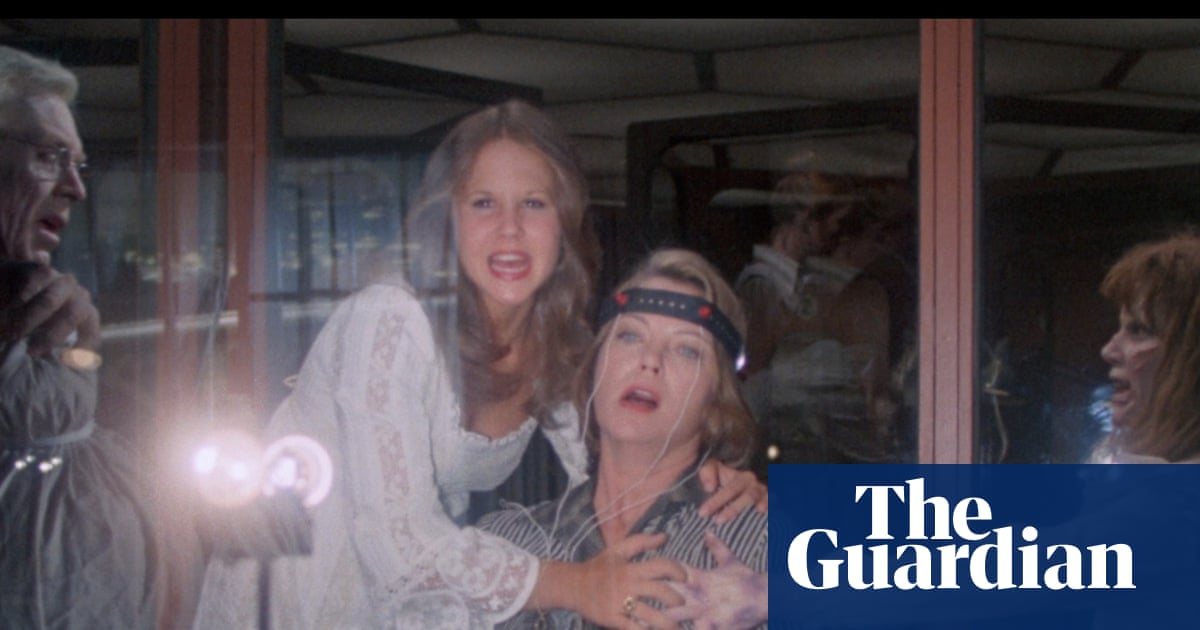
If uninvited laughter is bad enough for audiences, think about the people making the films. Surely nothing is worse for a director – aside from an absence of laughter in a film that you intended to be funny, perhaps – than people laughing at something you’ve poured your passion, creativity and hard work into. For a sense of how devastating it can be, watch Boorman and the Devil, a terrific documentary in cinemas this week about John Boorman’s Exorcist sequel, Exorcist II: The Heretic (pictured above), one of the most maligned films in movie history.
Boorman wasn’t a fan of William Friedkin’s original Exorcist film, considering it sadistic and exploitative. So he sought to make a radically different follow-up, swapping out the first film’s creeping, low-lit dread for something grand, fantastical and even a little bit hopeful – an ambition that surely should have served as a massive flashing warning sign to Warner Bros execs, which bankrolled the film to the sum of a then unprecedented $14m. Boorman’s sequel hardly lacked for ambition: its sprawling plot included detours to Africa and Latin America, a device called a synchronizer that merged people’s brainwaves, and original Exorcist star Linda Blair (pictured below) tapdancing, for some reason.
What it didn’t have – arguably by design – was scares, precisely what those who flocked to see the film in huge numbers after the first film’s success were expecting. When they didn’t get them, they responded with confusion, boredom and finally laughter. The press soon picked up on audiences rolling in the aisles across America and the intense negative buzz around the film caused it to plummet at the box office after its first week.
Extract — continue reading at the source.