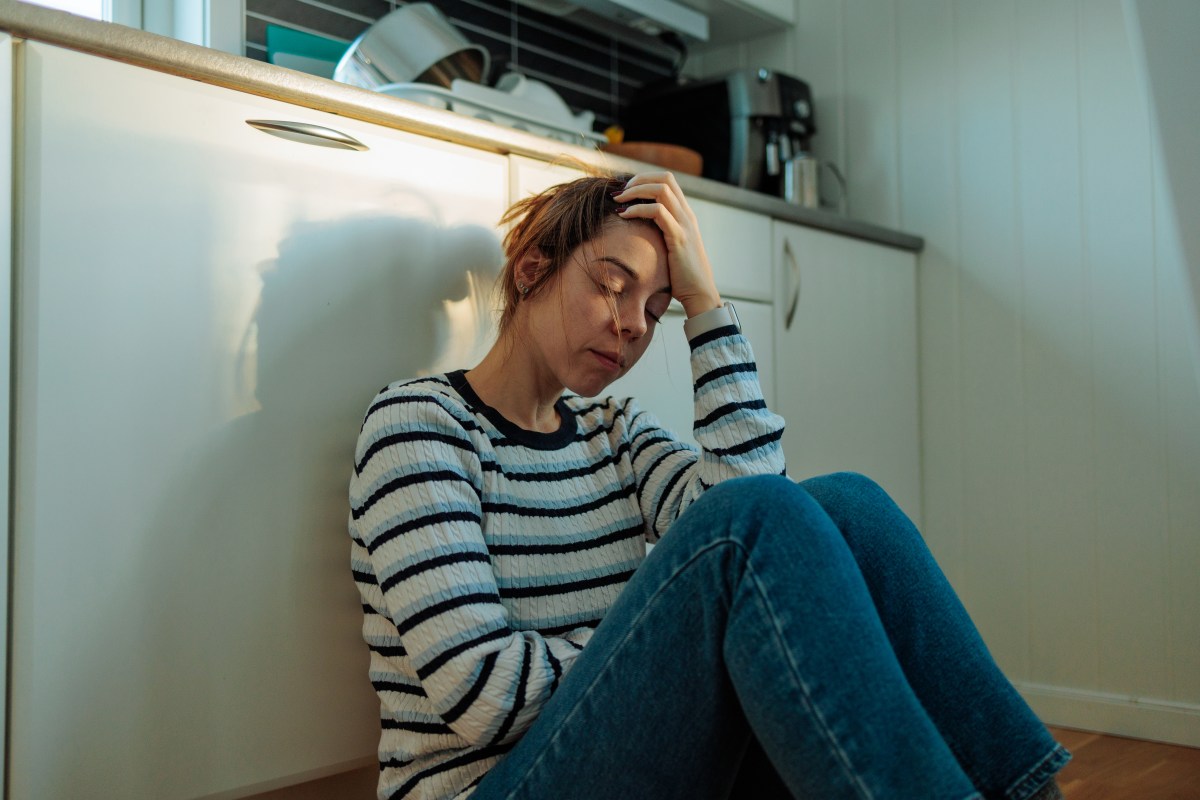
A woman is exhausted and overextended, and the supposed cure is familiar: take a bath, book a vacation, delegate a few tasks, then get back to work. But what if she cannot remember the last time she felt like herself? What if the problem is not her calendar, but her identity?
I believe we have mistaken the symptom for the crisis. Many women are not simply exhausted by everything they do; they are exhausted by years of becoming everything everyone else needs them to be. The consequences extend far beyond individual well-being.
Gallup's Q4 2025 data, published in 2026, found that 31 percent of full-time employed U.S. women very often or always feel burned out at work, compared with 23 percent of men. Women simultaneously report stronger engagement and greater motivation to pursue career growth. This is the contradiction we should be examining: women are showing up, performing, and aspiring while carrying a level of strain that threatens their capacity to keep doing it.
The International Labour Organization estimated that 708 million women worldwide were outside the labour force in 2023 because of unpaid care responsibilities. Care work keeps families, economies, and communities functioning, yet women continue to absorb a disproportionate share of it. The effects of female burnout can, therefore, extend beyond the woman experiencing it.
It reaches children, partners, workplaces, households, and communities. I believe burnout often begins with a thought long before it becomes exhaustion. If I say no, what will they think?
If I do not handle this, who will? If I stop being useful, will I still be valued? Those thoughts can become an internal script.
Extract — continue reading at the source.