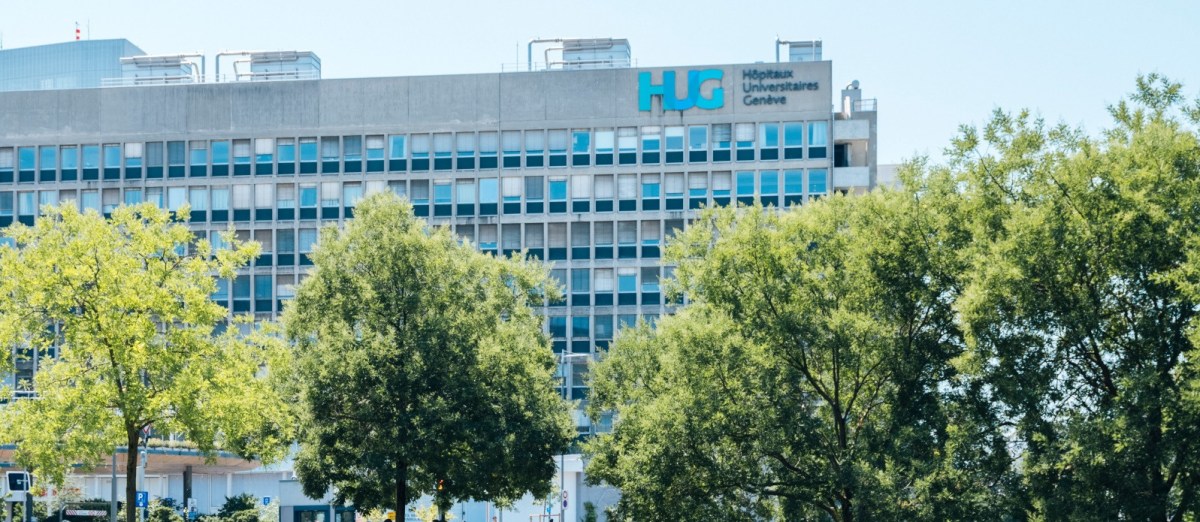
On January 1 this year, shortly before 5 a.m., the phone rang at Geneva University Hospital (HUG). A few hours earlier, in the Swiss resort of Crans-Montana, fire had swept through a crowded bar during New Year celebrations. More than a hundred were injured, many of them very young and severely burned.
No single hospital, and not even a single country, could care for them all. Within hours, patients were flown to burn centers in Lausanne and Zurich, and on to Paris, Milan and Stuttgart. For a few days, hospitals in several countries acted as one system.
Nobody had a plan for that particular night. That is the uncomfortable truth every health leader now faces: The next crisis will not look like the last one. It may be a mass-casualty event, extreme heat, a cyberattack, a broken supply chain or a new virus.
It may be several at once. So what should we prepare for? My answer is simple: we should prepare to move.
For almost three decades with the International Committee of the Red Cross (ICRC), including four years serving as its director-general, I worked in places where the unexpected was the norm. For the past two years, I have served as CEO of one of Europe's largest university hospitals. Those two very different worlds taught me one shared lesson: Resilience is not a plan; It is a way of governing.
We usually judge health systems by their preparedness. Do they have an emergency plan? These are necessary questions.
Extract — continue reading at the source.