In August, global sea-surface temperatures reached their highest level on record. Days later, the most comprehensive assessment of coral reefs ever published showed that increasingly frequent marine heatwaves are leaving reefs less time to recover between bleaching events. Global hard coral cover has declined by 9.5% compared with the 1980-2009 average, driven primarily by human-induced climate change.
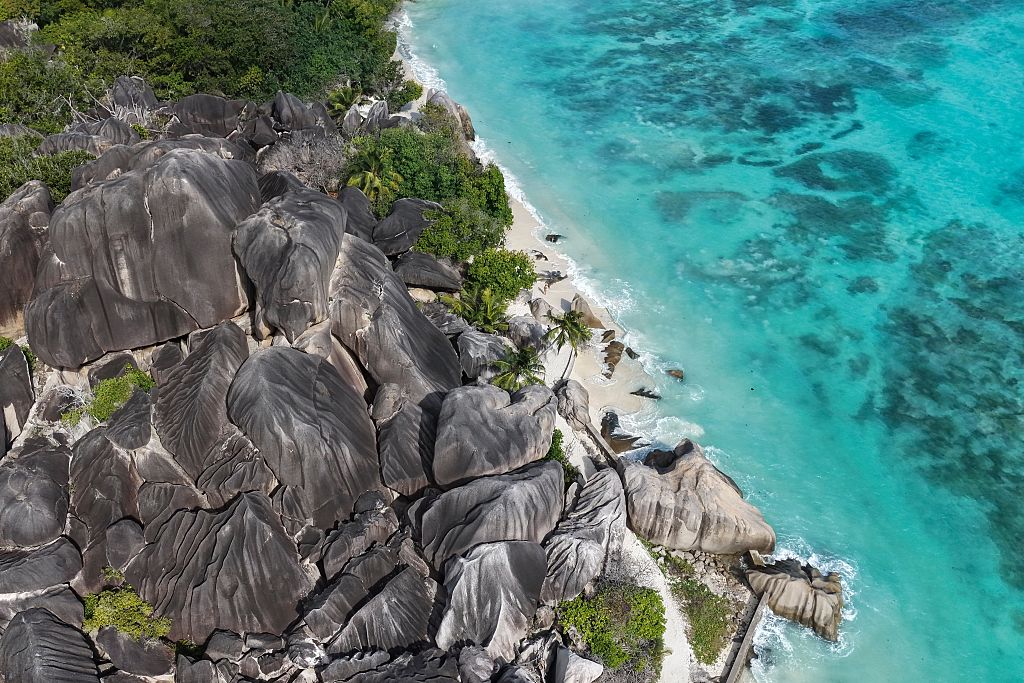
For me, this is deeply concerning, but also a reason to act. I come from Seychelles, an archipelago of 115 islands off the coast of East Africa where the ocean is inseparable from our lives, livelihoods, and future. It supports the food we eat, the jobs people depend on, and the resilience of our economy.
During my years in office, I saw what is possible when governments make ocean protection a political priority. In 2020, during my presidency, Seychelles designated 30% of its waters for protection, years before the world adopted the global goal of protecting 30% of land and ocean by 2030. That experience taught me that ambitious conservation is possible when political commitment is matched by action.
With fewer than four years remaining until 2030, the international community needs to bring that same determination to protecting the global ocean. Since governments adopted the global goal in 2022, countries have made important progress. Nearly 20% of land and inland waters are now designated as protected or conserved, and existing commitments could bring terrestrial protection to around 27% by 2030.
But the picture at sea is very different. Around 10% of the global ocean is currently designated as protected or conserved, and existing commitments would raise that figure to only around 12% by 2030. The next phase of this global effort must therefore put much greater emphasis on the ocean.
Governments need to establish more marine protected areas, strengthen national commitments where ambition remains too low, and move rapidly from targets to protection in the water. This matters far beyond conservation. Healthy marine ecosystems support fisheries and food security, sustain livelihoods and economies, store carbon, and help protect coastal communities from climate impacts.
Extract — continue reading at the source.