In Rachel Cusk’s new novel, Life of M, the famous actor protagonist participates in an event at a book store after hours. The actor, M, is joined by “a writer of some renown” and a fashion model who possesses “some vague self-absorption”. A brand sponsored the affair.
I spent literal hours trying to find the real-world equivalent of the opaque fictional passage. I scrolled through the backlogs of influencers I know to appear bookish in their content, who might have fallen prey to Dior’s Ulysses tote bag drop or Miu Miu’s “literary club”. I even stooped so low as to DM a Natalie Portman fan account, asking for leads.
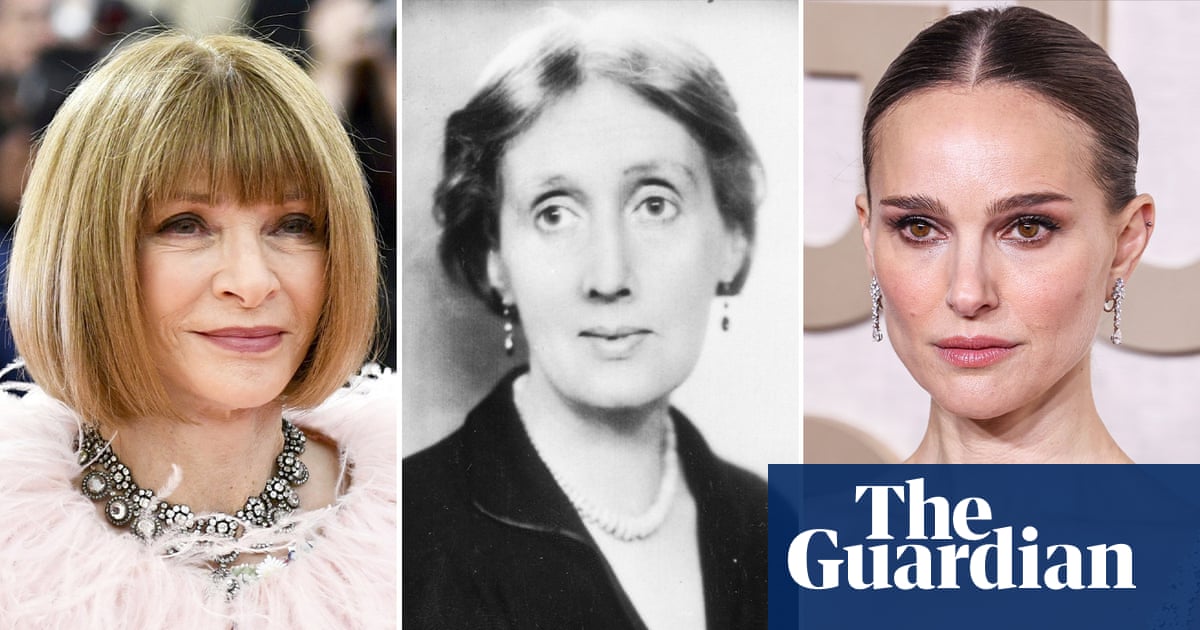
As has been widely reported, M’s character is based on Portman. One journalist was credited with the scoop, but she simply finished her advance copy sooner than the rest of us; it’s clear from page three, when Cusk describes M’s breakout film as having “immediately brought her childhood to an end” (obviously Léon: The Professional; Portman was 11 when she was cast) and a later film about obsessive, wild ballerinas (Black Swan). But the rumor that Portman is unhappy with her portrayal – an impression that cannot immediately be gleaned from the book itself, especially depending on interpretation of its final lines – has trickled down to the raggiest of tabloids.
Cusk’s “literary scandal”, so dubbed by Page Six, adds Life of M to the canon of biogossip, AKA novels that stoke intense speculation over the person they’re really about – and if the source material is all but confirmed by the author, then how much is exactly as it happened? How close have we, the readers, been allowed to get? Nearly a century ago, Virginia Woolf had high society ablaze with Orlando, her time- and gender-bending romantic experiment.
The Daily Mail treated it as nothing but straight gossip from the heart of the Bloomsbury Group, confirmation of Woolf’s affair with Vita Sackville-West. As if anyone actually in the scene didn’t already know that was going on (and had ended by the time of publication). Women’s Wear Daily reported in 2002 that The Devil Wears Prada by Lauren Weisberger, who was a former assistant to Vogue’s Anna Wintour, sold to Doubleday for around $250,000.
When Wintour heard, she allegedly replied, “I cannot remember who that girl is.” Though Weisberger maintained in the press that her ice-cold magazine editor Miranda Priestly was not based on Anna, the court of public opinion, not to mention Hollywood, decided otherwise. After years of side-stepping questions about the book and 2006 film adaptation, Wintour finally decided to get in on the joke in time for the film’s sequel earlier this year. In 2018, Lisa Halliday’s debut novel Asymmetry was a literary event for it offered what the New Yorker called the “voyeuristic thrill” of imagining what it would be like to date Philip Roth – which Halliday did, for a time – or at least a man who greatly resembles him.
Extract — continue reading at the source.