On Feb. 27, the day before the United States and Israel attacked Iran, the American economy was on a steady course to lower inflation and attain greater buying power. Gas was cheap and interest rates were coming down. Today, none of those things are true anymore.
When it comes to the U.S. economy, there’s before the Iran war — and since. Despite assurances from President Donald Trump as early as March that the war would prove a “short-term excursion,” the conflict is about to round its seventh month. On Tuesday, Trump suggested that a deal could arrive after November’s midterm elections.
The morass has short-circuited Trump’s ability to tout other, more positive economic developments during his second term. The Census Bureau reported last week that the median U.S. household income hit an all-time high in 2025, while the percentage of people in the U.S. living in poverty fell to its lowest level on record. The stock market has done well this year, and the unemployment rate remains low.
Yet, on balance, the negative news has served to obscure the good, both for individual consumers and the nation at large. Before the war, gas prices were just under $3 a gallon. Today they’re at approximately $4.50 on average.
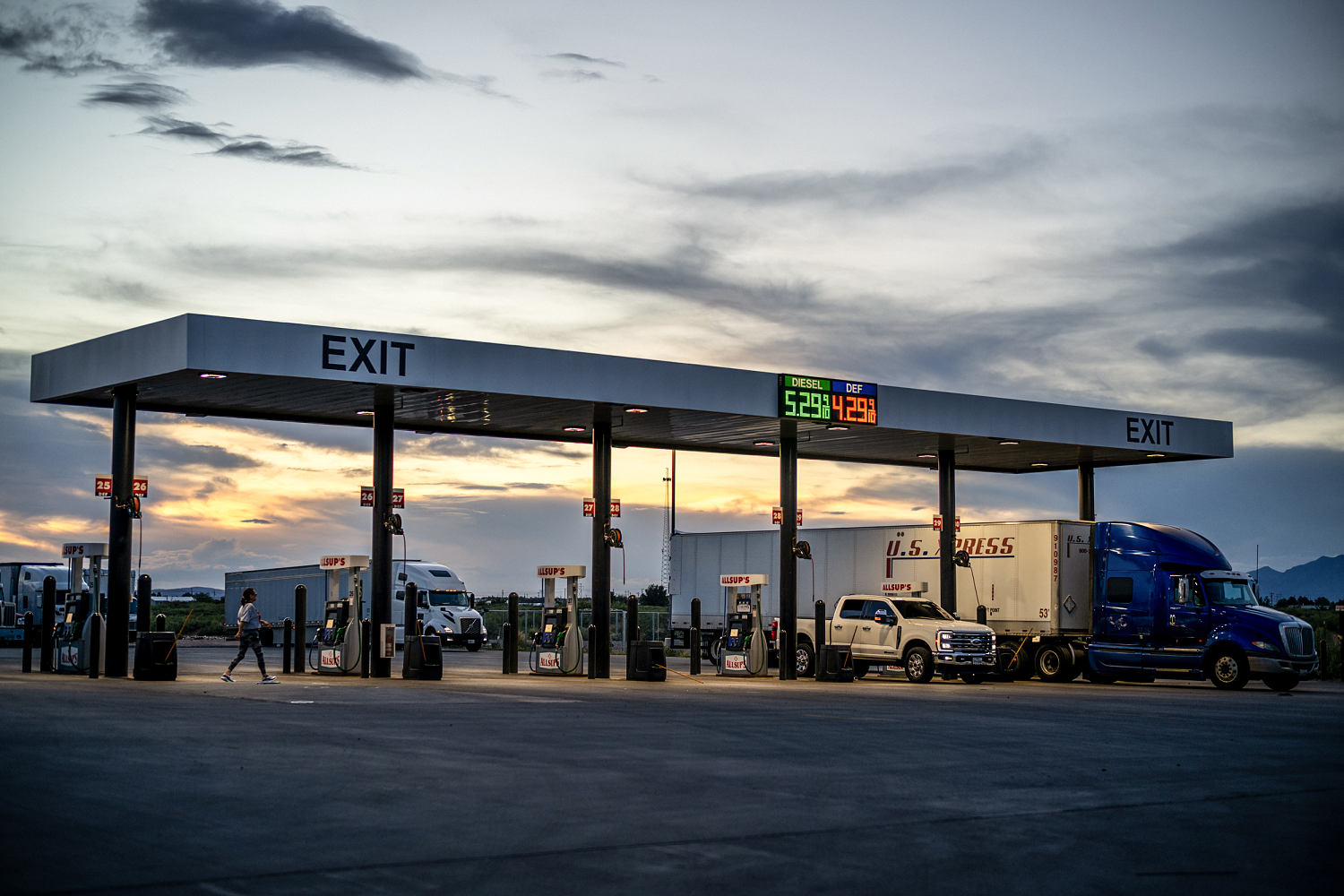
Diesel prices went from an average of $3.75 on Feb. 28 to an all-time high of more than $6.50 on Tuesday. This has caused a domino effect in which inflation rose, then borrowing costs, then mortgage rates. Surveys of consumer sentiment and presidential approval polls continue to drift lower even as household spending on extras such as travel and dining out remains steady.
In March, 35% of respondents to an NBC News poll said Trump had helped the economy. By September, that figure had declined to just 26%. The White House defended the president’s record in a statement to NBC News.
Extract — continue reading at the source.