We are still gasping at the emptiness where our homes stood. And we know something: the furious deluge that came crashing down from a mountain peak in northern Nepal, like a scene from an apocalyptic movie, and tore through the valleys of the Rasuwa and Nuwakot districts of our country was not a freak accident. It was a warning from the Himalayas.
Our majestic mountains and their glaciers are warming because of climate change caused by greenhouse gas emissions from industrialized nations that have been burning fossil fuels since the Industrial Revolution. We, in Nepal, produce a mere 0.1% of global greenhouse gas emissions. And it is time for the industrialized nations to take responsibility for it.
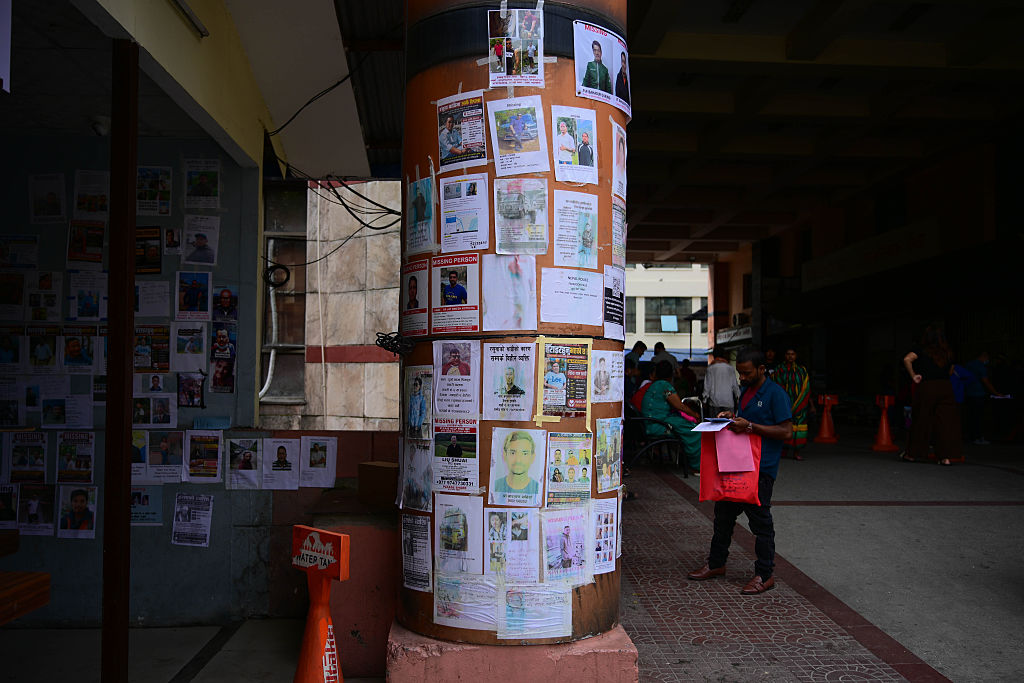
On Monday, Nepal’s National Disaster Risk Reduction and Management Authority estimated that at least 1,050 people have died in the floods, 292 are injured and 3,916 are missing. More than 90,000 people have been affected. Around 600 of the missing people are foreign nationals from 39 countries.
The first reports, which pointed toward an earthquake setting off the glacial rage, were quickly reversed. What the seismometers registered was a warming glacier shearing off Langtang Lirung mountain peak and slamming into the valley floor with enough force to register a magnitude 5.2 shock, sending a wall of rock, ice, mud and water thundering down the Bhotekoshi-Trishuli River valley at a ferocious speed that gave communities along the riverbanks almost no warning. Chinese monitors clocked just six to seven minutes between the collapse and the moment the surge hit Gyirong Port at the China-Nepal border.
In Rasuwa district, officials recorded the Trishuli River rising as much as nine meters in 30 minutes. Nepal is familiar with a pattern of extreme climate events induced by climate change. In July 2025, a smaller flood washed away the Friendship Bridge, which connected Rasuwagadhi in Nepal with Gyirong on the Chinese side of the border.
In Aug. 2024, a glacial lake let go near Mount Everest, tearing through Thame village and destroying homes, a school and a health post overnight. These natural calamities are becoming more frequent and fiercer. Every time a disaster hits, we mourn our dead, rebuild, and carry on.
Extract — continue reading at the source.