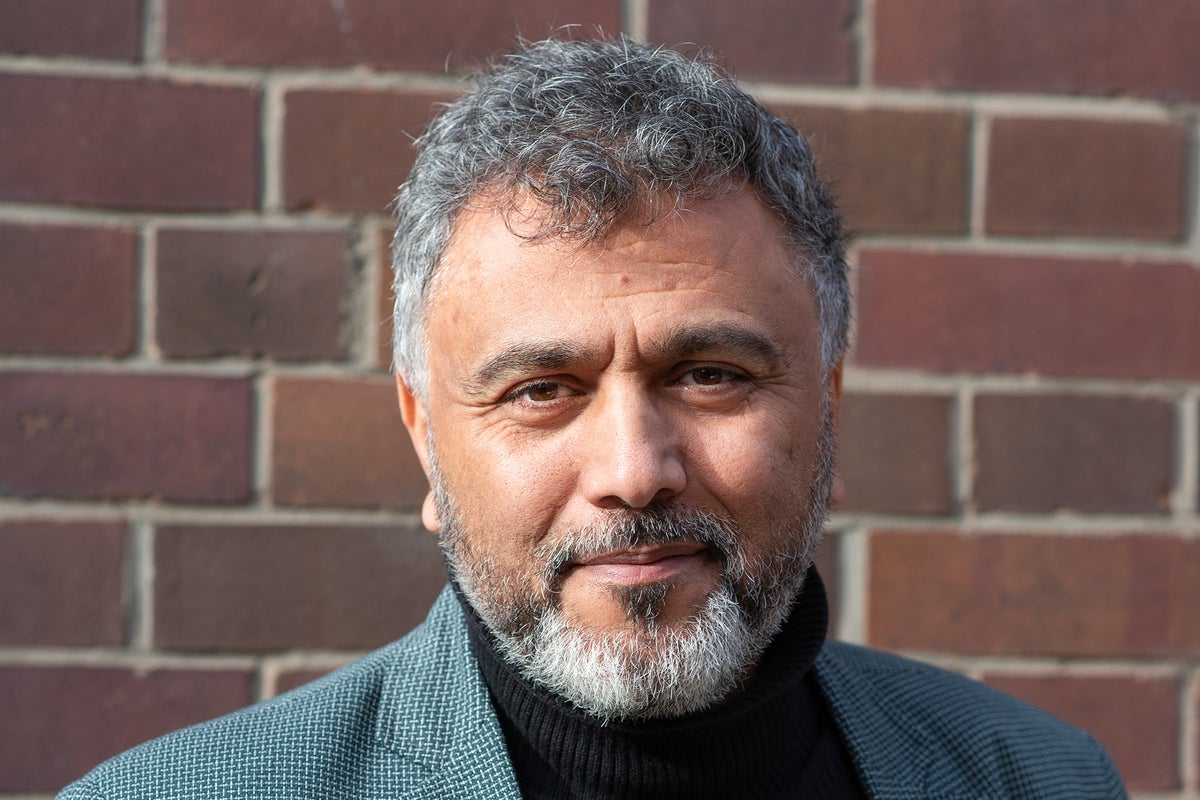
It was election day in the German state of Saxony-Anhalt and Alaa Yakoub Agha was overjoyed. The 55-year-old Syrian, now a German citizen, had voted for the first time since arriving in the country in 2015. Her happiness was short-lived.
During a lakeside walk that afternoon, she was the victim of a tirade of racist abuse, as a man bellowed at her to “go back to your own country”. But faced with the likelihood of a hostile government and the persistent threat of racist abuse in everyday life, minorities in the state issue a defiant message: “Saxony-Anhalt is our home, too.” To win tickets to see Bel Trew’s latest compelling documentary click here In the decade since they arrived in Germany, Agha and her husband have suffered verbal abuse, been spat at, and had stones thrown at them. I worry about my daughter when she is out alone at night, and I fear she might be subjected to racist hostility.” A resurgent far-right is gaining momentum across Europe.
In Sweden today, the Sweden Democrats, a party born from the far-right that has since toned down its rhetoric, are looking to make major gains as the country goes to the polls. Throughout the continent, migrants and minorities are reconsidering their futures. Mamad Mohamad, who arrived as an asylum seeker from Syria in 1996 and is now a German citizen and local candidate for the Alliance90/Greens, says thousands of migrants in the state now having to seriously consider their family’s safety.
Some are already thinking of leaving. This is more than many can bear,” he said. Saxony-Anhalt is our home, too.” Mohamad is a Yazidi Kurd who arrived in the country as a 15-year-old, having escaped severe state-sponsored ethnic discrimination at the hands of the Ba’athist Syrian regime.
There is still a chance for opposition parties to enact the so-called ‘firewall’, an unwritten agreement under which parties refuse to join coalitions with the far-right. A hotchpotch coalition of centre right, centre left, and left wing parties in Saxony-Anhalt could yet keep the AfD out of power. But the AfD will nevertheless feel it has made significant progress in its fight to break into the mainstream, seeking to project a more positive image as a serious and electable player in German politics.
Around 36 per cent of voters said in July that they trust the AfD to solve most of the state’s problems, a clear indication that voters are shifting from a “passive protest vote” to an “active support vote”, according to Gregoire Roos director of the Europe and Russia and Eurasia programme at Chatham House. Ulrich Siegmund, the charismatic 35-year-old AfD leader in the state, can in large part be credited for shifting the narrative pushed by the AfD, replacing the old “enough is enough” slogan with “Alles ist moeglich” - meaning “everything is possible”. But this did not come at the expense of the party’s vicious rhetoric towards minorities, most notably refugees and migrants but also towards Muslims, LGBT+ people, and disabled people.
Extract — continue reading at the source.