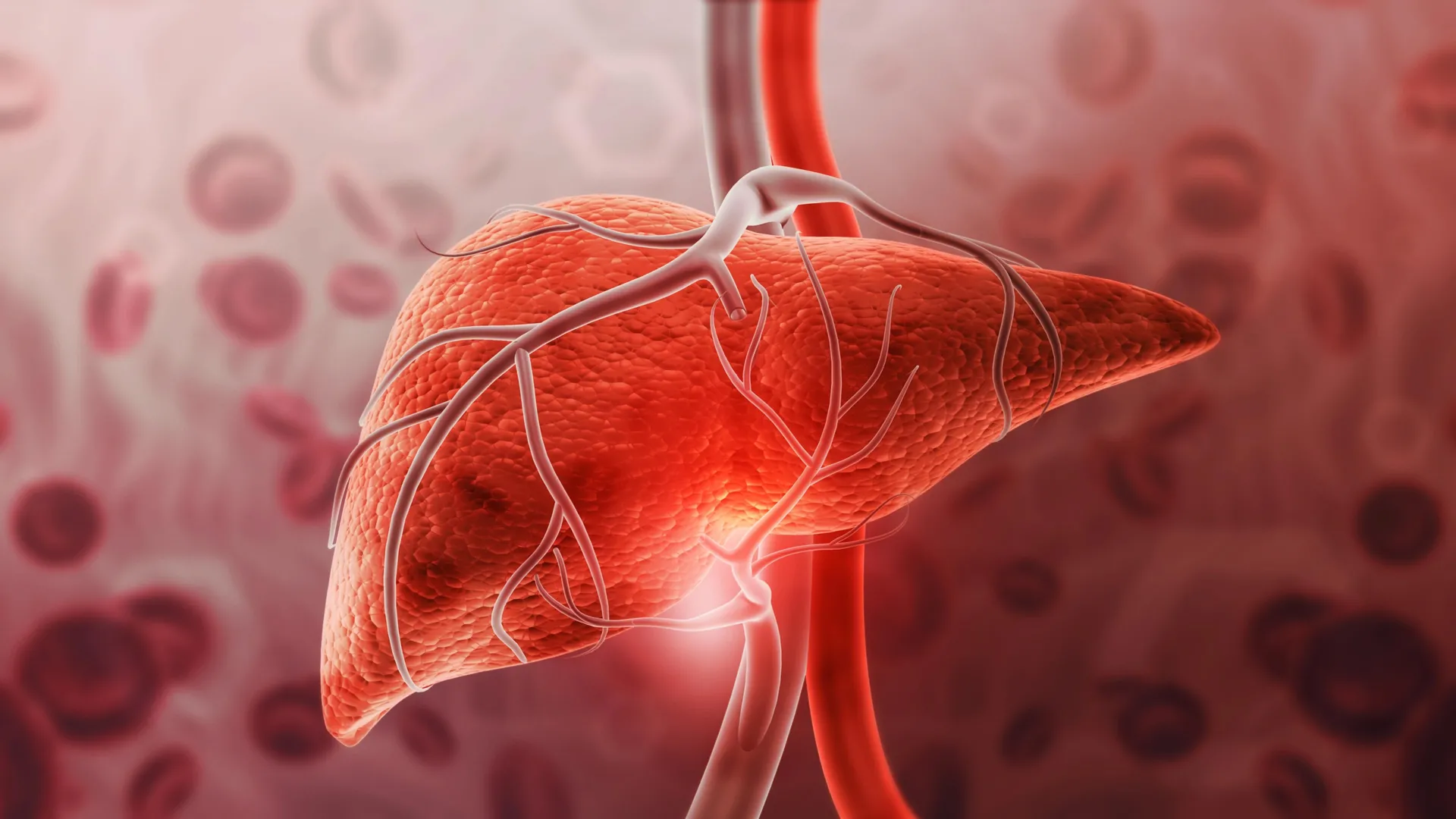
Researchers at McMaster University have uncovered an unexpected role for a naturally occurring hormone already known for reducing appetite and supporting weight loss. The hormone appears to protect the liver from inflammation through a previously unknown signaling pathway, a finding that could point toward new approaches for treating advanced fatty liver disease. The study, published in Cell Metabolism on August 10, 2026, found that GDF15 can reduce liver inflammation and slow the development of liver scarring even when weight loss does not occur.
The result challenges the long-held view that the hormone's benefits are primarily tied to its effects on appetite and body weight. A New Target for Advanced Fatty Liver Disease Millions of people around the world are affected by metabolic dysfunction-associated steatohepatitis (MASH), an advanced form of fatty liver disease that can eventually lead to cirrhosis, liver cancer, and liver failure. New weight loss medications have helped improve outcomes for many patients, but inflammation in the liver can remain even after substantial weight loss.
By identifying a biological pathway that directly regulates this inflammation, the new findings suggest that future therapies could potentially target liver inflammation alongside existing treatments focused on weight and liver fat. "Our findings show that GDF15 does much more than regulate appetite and body weight," says Gregory Steinberg, professor in McMaster University's Department of Medicine, co-director of the Centre for Metabolism, Obesity and Diabetes Research (MODR), and senior author of the study. "We discovered that GDF15 activates a natural brain-to-liver signaling pathway that helps suppress liver inflammation and reduce fibrosis.
This changes how we think about the hormone and suggests it may be part of the body's own defense system against chronic liver injury." How GDF15 Sends a Protective Signal to the Liver To explore how GDF15 affects advanced liver disease, the team used mouse models designed to closely reproduce human MASH. Researchers combined genetic, pharmacological, genomic, and spatial transcriptomics techniques to examine what happens when the hormone becomes active. They found that GDF15 initiates signaling from the brain through the nervous system, ultimately causing the release of glucocorticoids.
These steroid hormones are important for metabolism, immune activity, and the body's response to stress. The glucocorticoids then help suppress inflammation in the liver. Importantly, researchers observed these protective effects regardless of changes in food consumption, body weight or liver fat.
GDF15 also appeared to slow the progression of liver fibrosis, the accumulation of scar tissue that occurs as liver disease becomes more advanced. "GDF15 helps reprogram liver cells to reduce inflammation and scarring by advanced spatial technology," says Dongdong Wang, first and corresponding author of the study and assistant professor in McMaster's Department of Medicine. "Instead of causing liver damage, GDF15 appears to help calm the liver's immune system.
Extract — continue reading at the source.


