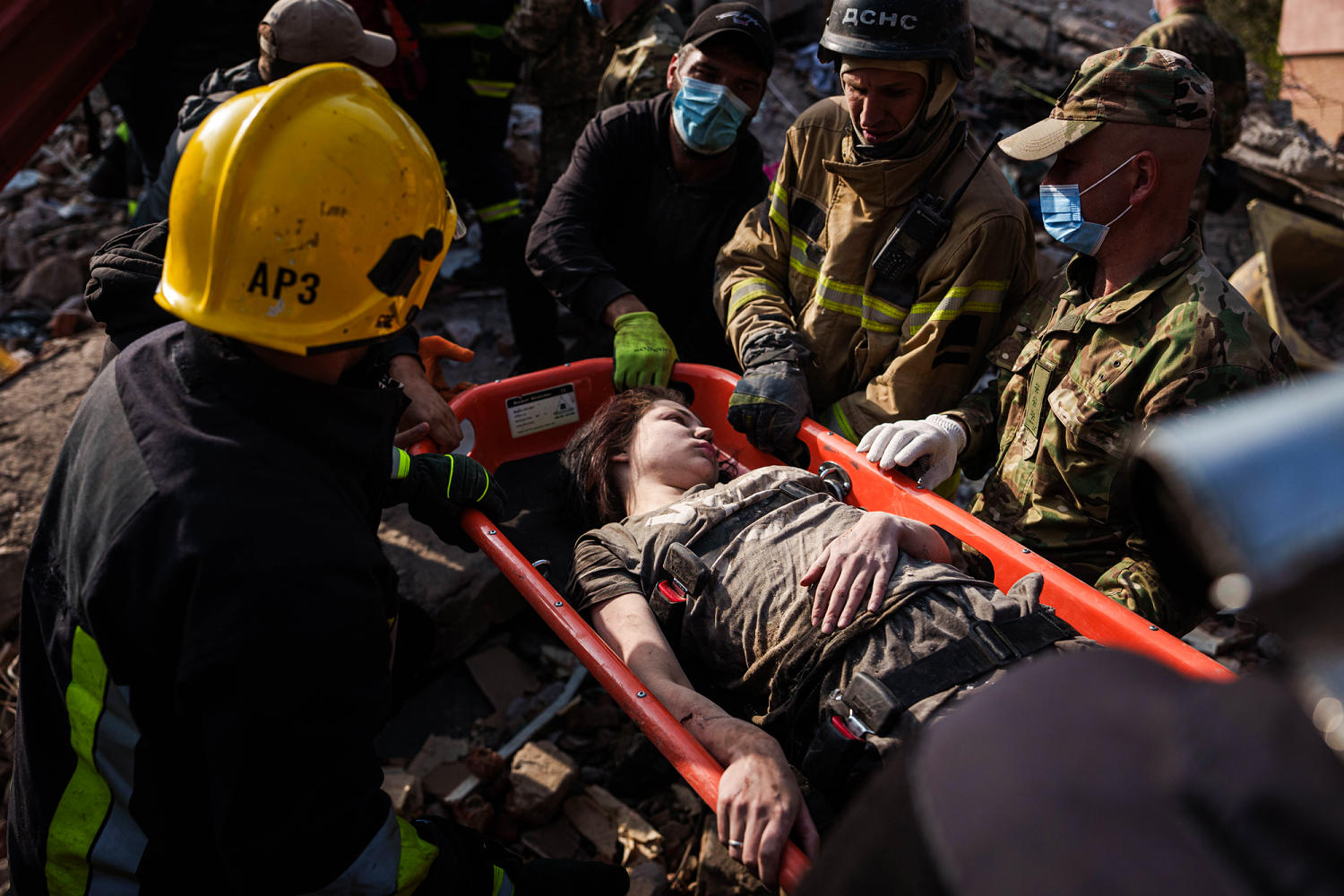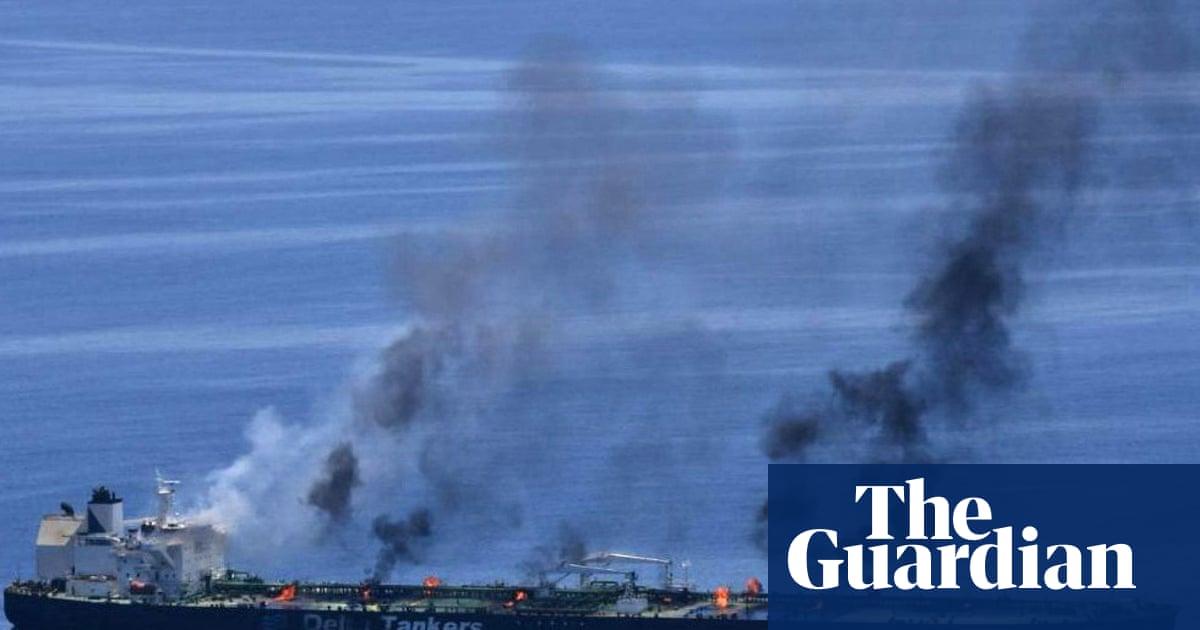
The lightning advance of Houthi militants along the west coast of Yemen over the past week has prompted fears of a spiralling conflict in the region and a new oil supply crisis. For families living in the Middle East’s poorest country, the most significant fighting between the Iran-aligned Houthis and the Saudi-backed Yemeni government forces in years is a crisis upon a catastrophe, with escalating civilian casualties and at least 100,000 displaced in recent days. Houthi fighters have captured strategic islands across a critical Red Sea trade route, the Bab al-Mandab strait, one of the most important shipping routes in the world – almost 15% of global sea trade passes through it.
The strait of Hormuz, through which a fifth of the world’s traded oil and gas transited in peacetime, has remained largely blocked since the US and Israel launched airstrikes in February, so the prospect of Iran and its allies exerting pressure on two maritime choke points has global implications. The price of crude oil has already begun to spike. For today’s newsletter, I spoke to Farea Al-Muslimi, a research fellow at Chatham House, about this new and dangerous dimension to the ongoing war in Yemen, and why fears over oil and global trade must not overshadow the plight of ordinary Yemenis.
First, this morning’s headlines. UK politics | Key allies of Andy Burnham have warned the prime minister not to back down over his promises to put water companies under public control, after details emerged about the prime minister’s plan to give mayors more oversight of the industry. Environment | Climate breakdown probably weakened the glacier that collapsed causing catastrophic floods and killing hundreds of people in Nepal and Tibet last month, the first scientific study of the disaster has found.
Health | Women with the same medical condition as men are less likely to be offered treatment such as surgery, a stent or a strong painkiller, research has found. Europe | The UK government’s EU reset summit will be delayed again unless the bloc agrees to discuss legislation that could lock British business out of parts of EU industry, government sources have said. UK news | Police searching for a three-year-old boy who went missing from a playground on the Suffolk-Essex border have found a body.
The current escalation of violence in Yemen has its roots in a civil war that broke out in 2014 between the Yemeni army and the Houthi movement, which champions Yemen’s Shia Muslim minority. A year later, the Houthis – part of Iran’s “axis of resistance”, a loose coalition of armed groups that includes Hamas and Hezbollah – toppled the Saudi-backed Yemeni government. Al-Muslimi grew up in a remote mountain village in Yemen, where his family made honey, one of the country’s most lucrative and popular exports.
His mother used to tease him because the bees didn’t recognise him after he spent long periods studying away from home – he was the only person in his family who had to wear a beekeeping suit. Al-Muslimi now writes about how the years-long internecine conflict has had a devastating impact on the honey trade and the farmers who tend Yemeni bees. At least 150,000 people have been killed since 2014, mainly through aerial bombardment by the Saudi-backed coalition that supports the Yemeni government, which has resumed this week.
Extract — continue reading at the source.