When it comes to beautiful, high-quality stop-motion animation, independent studio Laika is the first name that comes to mind. The studio’s hand-crafted puppetry and 3D-printing technology have brought beautiful tales to life for years, from Coraline to ParaNorman. Each has leaned toward more adult themes with gothic narrative undertones, while still focusing heavily on family dynamics.
The same is true of Laika’s most recent outing, Travis Knight’s ethereal fantasy film Wildwood. Yet as much a technical and emotional achievement as Wildwood has proven to be, you don’t need to head to your local theater to see Laika's best animated film. All you need to do is go to HBO Max, where Tim Burton’s masterful 2005 Corpse Bride is streaming right now.
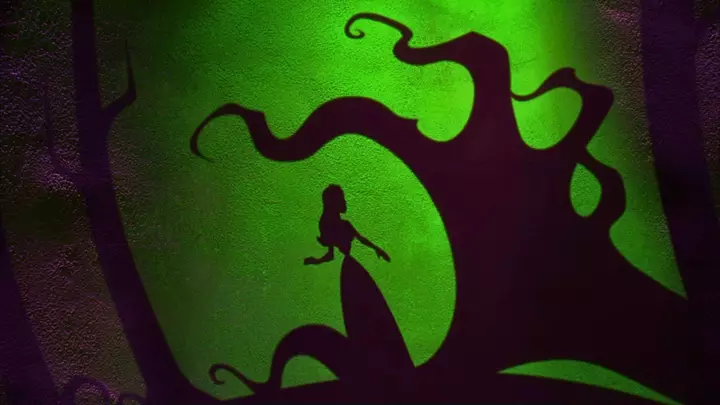
Directed by Tim Burton and Mike Johnson, Corpse Bride follows Victor Van Dort (Johnny Depp) and his arranged marriage to Victoria Everglot (Emily Watson). After a terrible rehearsal dinner, Victor heads to the woods to practice his vows. Without thinking, he says them aloud and slips his ring onto what he believes is a tree branch sticking out from the ground.
But the “branch” is actually the finger of an undead bride, Emily (Helena Bonham Carter), who immediately assumes they’re engaged. Victor is soon dragged into the land of the dead, where he comes face-to-face with its inhabitants. If the story sounds familiar, there’s a reason.
Burton was open about the fact that Corpse Bride was based on “The Finger”, a Jewish tale by author Howard Schwartz, and featured in “Lilith’s Cave: Jewish Tales of the Supernatural.” In this tale, set in Russia rather than Victorian England, the young bridegroom also makes the same mistake as Victor, slipping his wedding ring onto a corpse's finger as he recites his vows. However, instead of helping the undead bride find peace, the groom takes his dead spouse to a local rabbi, who annuls the marriage because his wife is dead. The bride falls to pieces into a pile of bones, and the groom goes on to live his life as if nothing ever happened.
That transition from a Jewish folktale to a mainstream gothic fairy tale brought many changes. As macabre and unsettling as Burton’s productions can be, he is undoubtedly a creator whose endings usually have a sweet quality — bitter or otherwise. That meant Emily, the undead bride, found a more peaceful, fulfilling end, while Victor became more empathetic.
Extract — continue reading at the source.