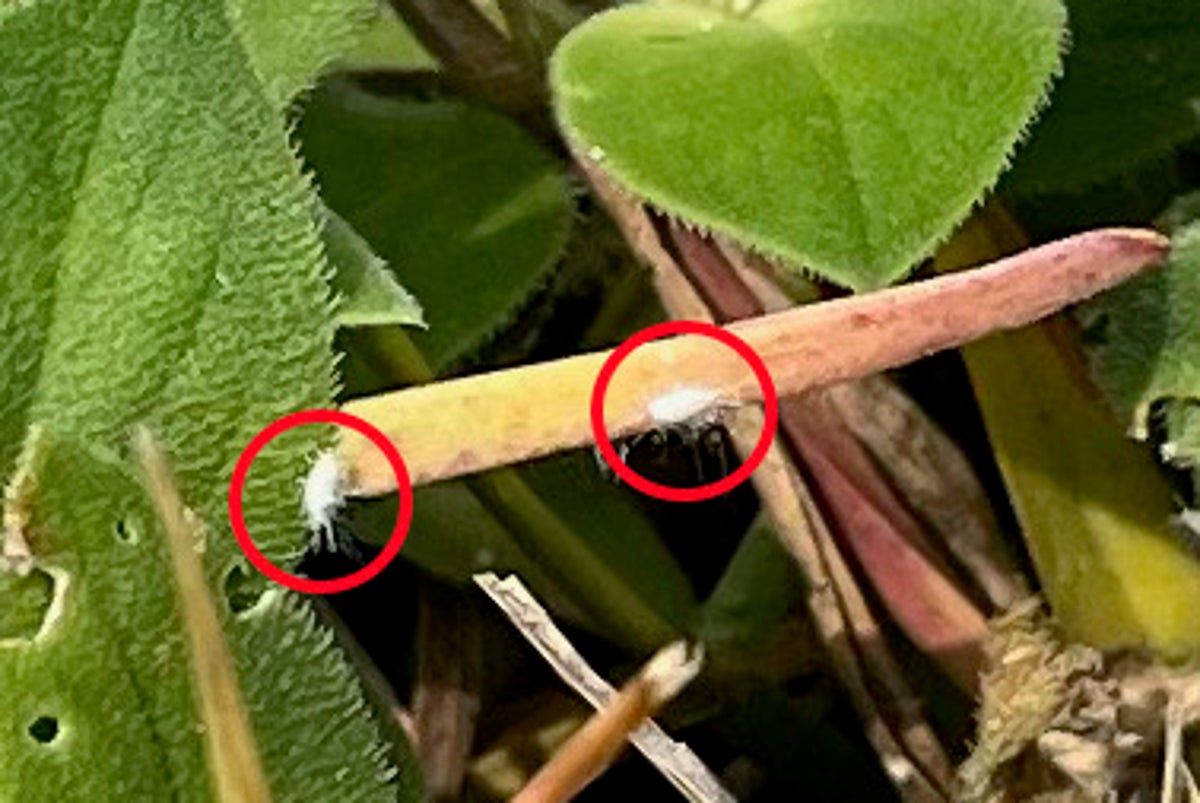
A tiny invasive insect that officials say is a “serious threat” to local agriculture has been spotted in several Southern US states. The pasture mealybug (Heliococcus summervillei) was found in Decatur County, Georgia, earlier this month after popping up recently in Texas, Florida and Louisiana. The insects, which can range from 1 millimeter when they’re young to 5 millimeters long when they’re older, affect the annual and perennial warm-season grasses and pose a threat to local agriculture due to their ability to spread quickly.
The bugs damage grass by feeding on plant sap and injecting its toxic saliva into plants. Plants that have been affected by pasture mealybug infestations may have yellowing leaves that change to purple or red, stunted growth, poorly developed roots or seem as though they are under drought-like stress, even after rainfall. The pasture mealybug can spread through equipment, clothing, vehicles and other materials — meaning agriculture officials are urging farmers to take action to prevent its movement between fields and farms.
Farmers are encouraged to clean farm and hay equipment between fields or farms, avoid driving through pastures whenever possible, change clothing and footwear between fields or farms, limit wildlife movement when possible and limit vehicle traffic on and off the farm. Any farmers who may suspect a pasture mealybug infestation should call their local county extension agent for help with identification and confirmation. Mealybugs were spotted for the first time in Texas last year.
They have since spread to at least 70 counties, officials said. The earlier an infestation is identified, the better prepared farmers and ranchers can be to monitor their fields and work with specialists.” The bugs then spread from Texas to Louisiana. However, they were only spotted for the first time in Florida in May of this year, state officials said.
Join thought-provoking conversations, follow other Independent readers and see their replies
Extract — continue reading at the source.