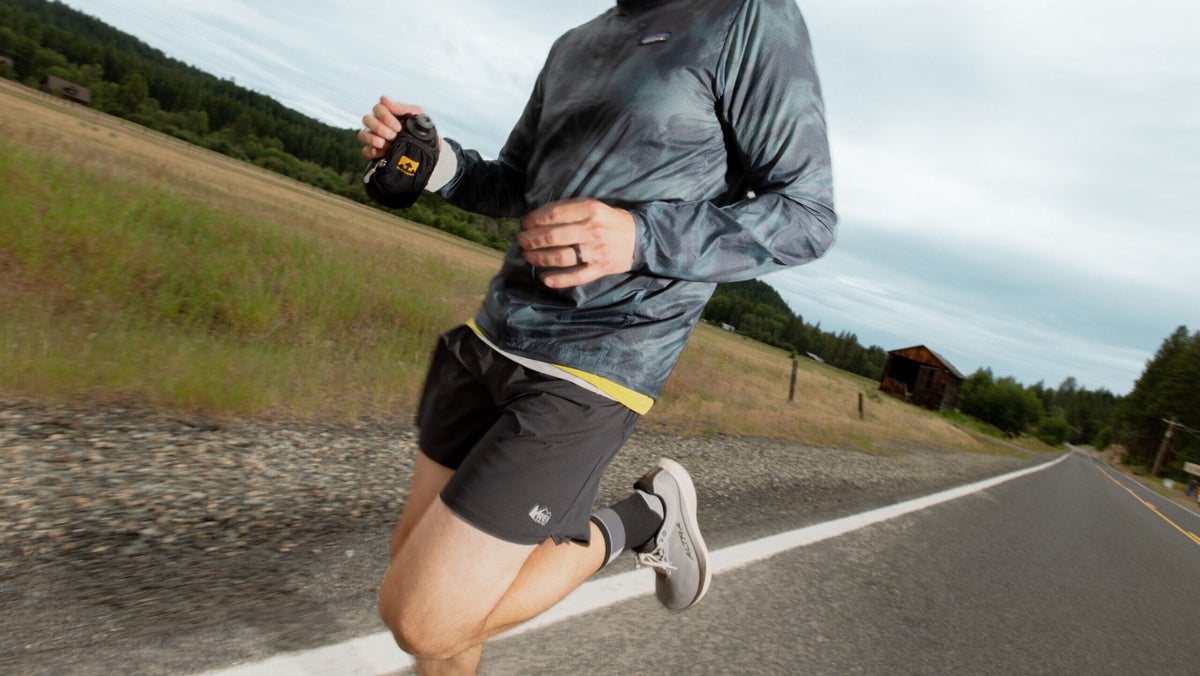
Imagine this scenario: You’re 20 seconds into a hard 400-meter lap on the track when your watch flashes a live pace 15 seconds per mile slower than your target. A few seconds later, the reading shows you’re now going 10 seconds faster than your goal, so you back off. By the end of the rep, you have spent more energy reacting to your screen than actually settling into the intended effort.
Ultramarathon runner and USA Triathlon-certified coach Nick Farr, owner of P3 Fitness, calls this the “yo-yo runner” problem. On most watches, current/live pace is based on recent GPS data, so it can lag behind rapid changes in speed. GPS interruptions from trees, buildings, tight turns, and other obstacles can make the number jump even more, and if you rely too much on it—especially during fast reps—your running starts to look similarly jumpy, which can result in a workout designed for one purpose taking on a completely different identity and failing to lead to the gains you’re looking to achieve.
Instead of using live pace for every workout you do, prioritize the feedback that tells you whether the rep is unfolding as planned, which is not always simply how fast you’re running. Depending on the session, you might use elapsed time, average pace across a full interval, or just the effort level you’re putting out. Farr’s approach matches those cues to the purpose of the workout, whether you’re building speed, stacking threshold work, or holding a steady aerobic effort over a long run.
Here’s how to choose the right pacing cue for each workout in your arsenal so they can deliver the precise dose of stress they’re designed to provide while preserving the recovery you need to keep training strong. Before we dive any deeper, it’s important to differentiate between the pace fields that appear on your watch. They may all read minutes per mile, but each one measures a different slice of the run.
Mistakenly using the wrong one can leave you chasing a number that isn’t completely accurate, takes too long to calibrate to be useful for a quicker interval, or plainly not the best way to measure your output. Current pace is your watch’s estimate of your speed right now. It can prove helpful during a sustained effort, Farr says, but GPS delay and signal interruptions can make it slow to respond or erratic during quick changes of pace.
Lap pace averages your speed over the interval or lap you’re currently running. It’s similar to current pace, and takes a little time to settle in, but gives you a steadier read on whether longer reps are tracking toward your goal. Overall average pace reflects the entire run (or race).
Extract — continue reading at the source.