However, our new tokenized economies have a structural flaw. We’ve digitized assets, such as bonds and securities, but still haven’t tokenized the actual money that changes hands during these transactions. When a tokenized bond changes hands in Hong Kong or New York today, the security settles on a blockchain in seconds, but the payment still takes days to crawl through legacy banking rails.
We’ve only built half of the tokenization engine. The other half—regulated, local-currency settlement instruments that let a tokenized asset and its payment move on the same blockchain rails—still needs to be developed. And the countries that move first will have a decisive advantage because infrastructure decisions have peculiar economics: The longer you wait to make an infrastructure decision, the more costly the decision becomes to implement.
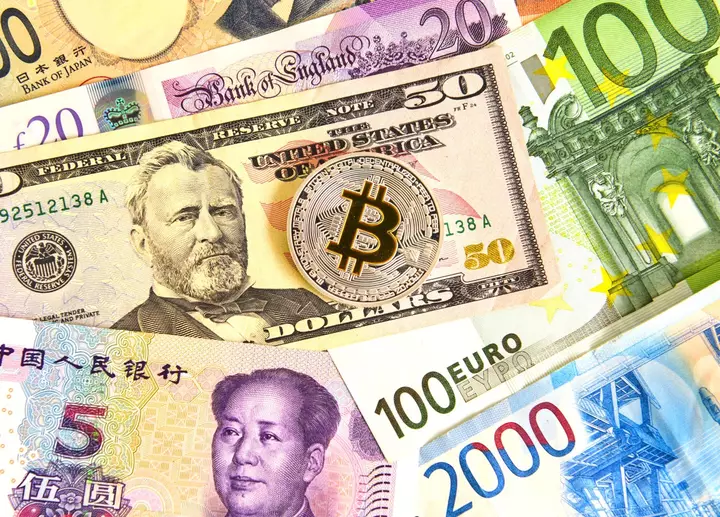
SWIFT's message formats, the dollar's role in trade invoicing, or the T+2 settlement convention all began as a simple, inexpensive choice among several institutions. Now they’ve hardened into norms that everyone must accommodate. The default is by far dollar stablecoins, which make up 99.5 percent of the global stablecoin float.
A dollar token, however, can't pay for a yen-denominated fund or an HKD bond without bolting currency risk onto every transaction. If nothing changes, the entire tokenized world ends up settling in someone else's money, and that's why the most important experiment in finance right now is happening in Asia. Asia's bet on tokenization is paying off.
Hong Kong's government has issued more than $2 billion in tokenized green and infrastructure bonds and now counts 13 publicly offered tokenized products holding roughly US $1.4 billion—a seven-fold increase in only a year. Japan's securities clearing house is trialing blockchain-based collateral using government bonds with Mizuho and Nomura, and Korea has set an early-2027 target for a fully tokenized securities market. The component Asia is missing is a tokenized payment instrument: a regulated token, denominated in Hong Kong dollars, yen or won, and redeemable at par, that sits on the same blockchain ledger as the assets it settles.
That distinction is crucial because a transaction is only as fast as its slowest leg. If a payment still needs to clear through correspondent banks and slow, legacy payment rails, the theoretical gains of tokenization (freed collateral, eliminated counterparty exposure and programmable transactions) completely evaporate. Trades don’t actually settle faster.
Extract — continue reading at the source.