President Donald Trump’s announcement that he is looking to buy potash from Belarus is intended to pressure Canada, our major supplier of the important fertilizer, to lower prices. While his instincts are correct in trying to find the best deal for American farmers, relying on Belarus would ultimately make our farmers less secure. There are both practical and political reasons for Belarus being risky business.
As a quip from The Princess Bride taught us, you should never get involved in a land war in Asia. Another piece of wisdom along those lines would be: Don’t rely on a landlocked country that’s an ocean away. Belarus may produce a large amount of potash, but it has no ports.
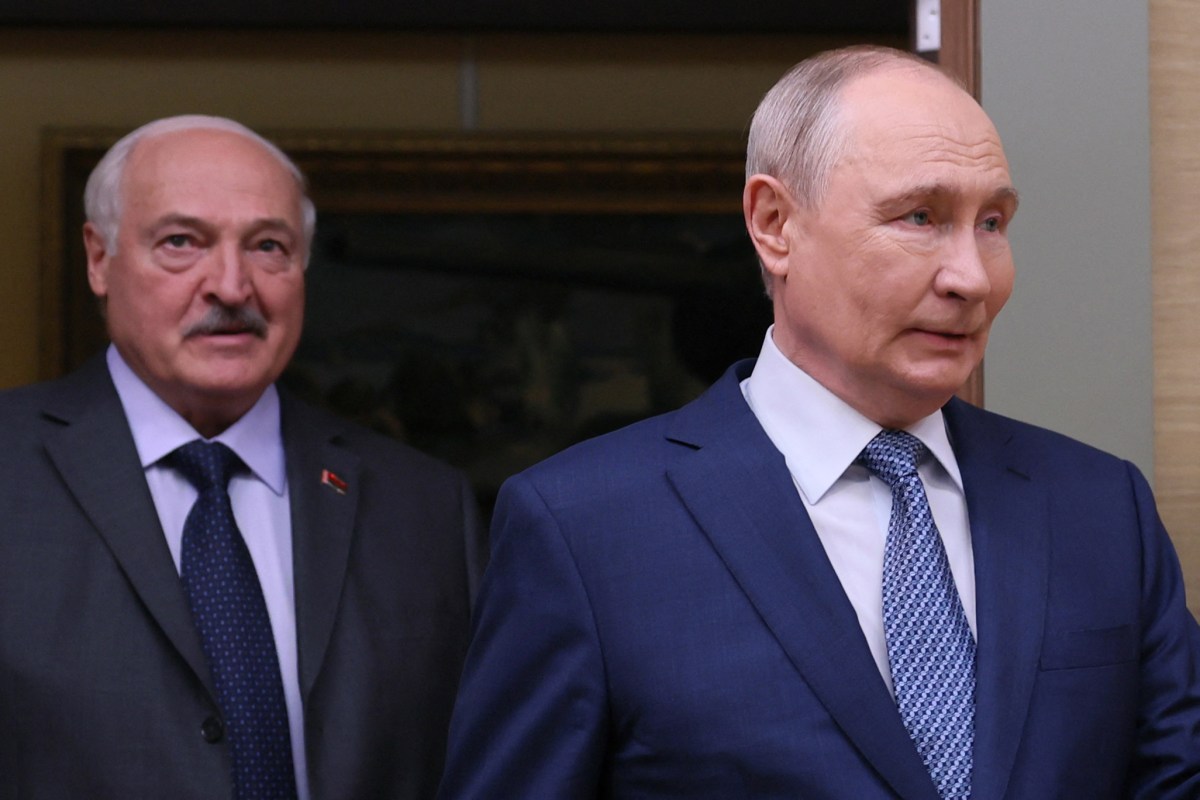
It is bordered by several countries that do have ports: Poland, Ukraine, Lithuania, Latvia and Russia. But Belarus has antagonized the first four. If you haven’t followed Belarusian politics—don’t worry, you’re not alone—the country is run by a dictator, Alexander Lukashenko, who is close with Russian President Vladimir Putin.
Belarus allowed Russia to stage troops in advance of the 2022 invasion of Ukraine. Understandably, then, Ukraine won’t be shipping Belarusian potash. Neither will Poland, Lithuania or Latvia.
Belarus regularly conducts aggressive military drills near the borders of these countries. Belarus has also reportedly allowed Russia to post tactical nuclear weapons on its soil. These countries view Belarus as a security threat, not a trading partner.
In fact, the entire European Union has sanctions on Belarusian potash fertilizer. So that leaves only one real way for Belarusian potash to get to America: through Russia. This would harm our farming and national security.
Extract — continue reading at the source.