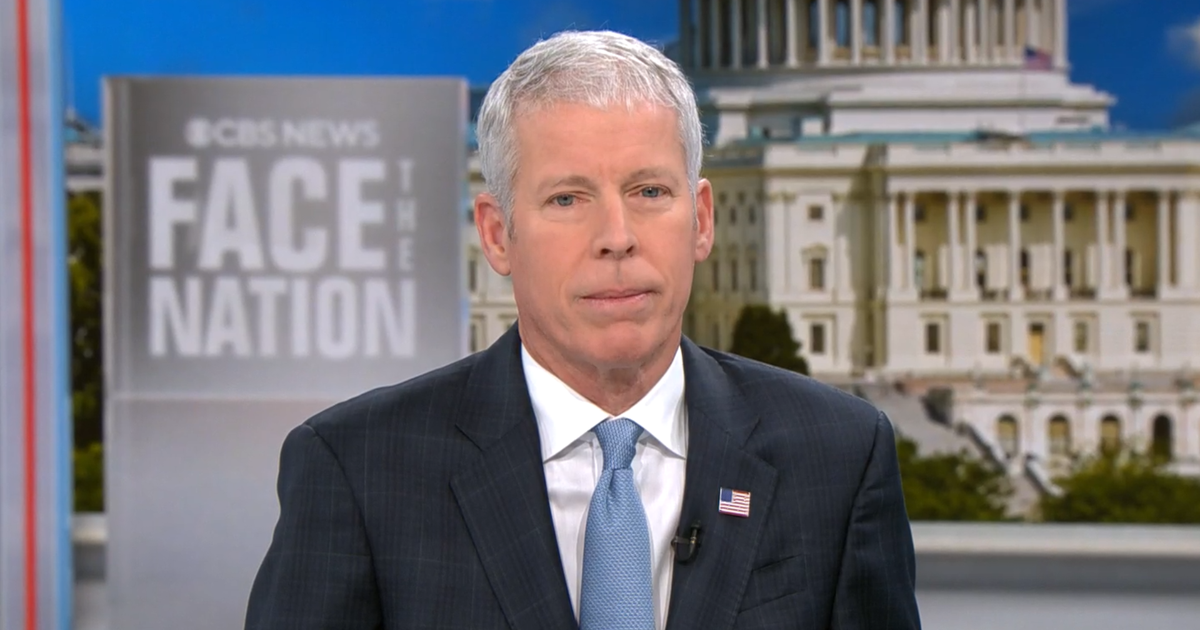
The following is the transcript of the interview with Energy Secretary Chris Wright that aired on "Face the Nation with Margaret Brennan" on Oct. 4, 2026. MARGARET BRENNAN: Good morning, and welcome to Face the Nation. We begin with one of the Trump administration officials tasked with working to lower those high gas and oil prices, Energy Secretary Chris Wright.
SECRETARY OF ENERGY CHRIS WRIGHT: Good morning, Margaret. MARGARET BRENNAN: So, it's good to have you here. You said this past week that Americans can expect lower gasoline prices and diesel prices by election day.
The Wall Street Journal editorial board has a piece outlining that the campaign to squeeze around financially is working, but they can still knock out significant Gulf energy infrastructure. They could be planning an October surprise before the U.S. midterms. We are still seeing Iranian attacks on ships now.
I mean, how can you be so confident prices are headed down? WRIGHT: Well, because we've got increasing supplies coming out of the Strait of Hormuz and they've continued to rise over the last months, over the last recent weeks. We've got U.S. gasoline production today at record high.
We have demand for gasoline, as we come out of the summer driving scene, starting to go down. Similar stories with diesel. Diesel's mostly been infected by the Russia-Ukraine war and also by China's decision not to export diesel or gasoline into the marketplace.
And of course, we're living with two refineries that were recently closed, large refineries in California that Gavin Newsom forced the closure of. And frankly, 15 years of Democrat policies that have been energy subtraction, trying to close coal plants, close refineries, and shrink our capacity. Which means when you get in crisis, we're just less resilient than we should be.
Extract — continue reading at the source.